Tinnitus After Head Injury: Ringing in the Ears After a Concussion or TBI
How Head and Neck Trauma Can Cause Long-Term Tinnitus
Tinnitus is often described as ringing in the ears, but for many people, it sounds more like buzzing, hissing, clicking, or static. According to the U.S. Centers for Disease Control and Prevention (CDC), roughly one in seven adults experiences tinnitus, and up to 2 million Americans live with severe, disabling symptoms.
While tinnitus is commonly linked to hearing loss or loud noise exposure, many cases are actually caused by head or neck injuries. Concussions, whiplash, and traumatic brain injuries (TBIs) can disrupt the brain’s ability to process sound, leading to persistent tinnitus that may not go away on its own.
Below, we explain how tinnitus develops after a head injury, how long it may last, treatment options, and what legal options may be available if the injury was caused by negligence.
What Is Tinnitus and Why Does It Happen?
Tinnitus does not come from the ears themselves. Instead, it originates in the brain.
When the brain struggles to process sound signals properly, it may increase certain signal frequencies to compensate. This overcorrection can create the sensation of sound even when no external noise is present.
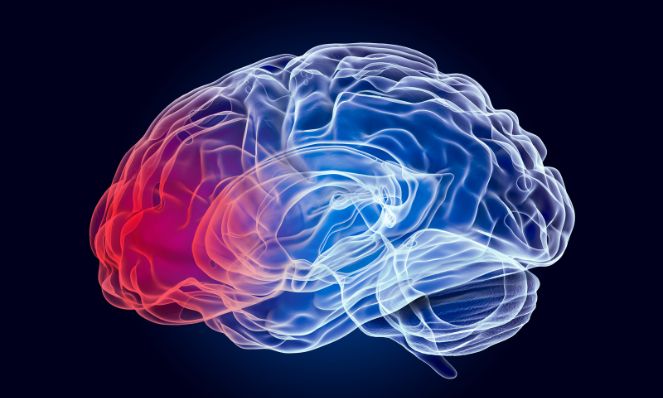
Research suggests the limbic system, which plays a role in emotions and behavior, helps regulate whether tinnitus signals reach the brain’s sound-processing centers. When this system is disrupted, tinnitus may become persistent and harder to ignore. This connection also helps explain why tinnitus is often linked with anxiety, depression, and sleep issues.
Head injuries are a well-documented cause of tinnitus. Even mild traumatic brain injuries, including concussions, can damage nerves and brain structures involved in hearing and sound filtering.
These injuries can interfere with the brain’s prefrontal cortex and auditory pathways, making tinnitus more likely to develop or persist.
Tinnitus Treatment Options After a Head Injury
There is no universal cure for chronic tinnitus, but several treatments may help reduce symptoms and improve quality of life.
Common tinnitus treatment approaches include:
Hearing aids, especially when tinnitus is linked to hearing loss
Sound therapy, such as white noise or masking devices
Cognitive and behavioral therapies to reduce stress responses
Prescription medications, particularly when depression or anxiety is present
Early evaluation matters. The sooner tinnitus is addressed after a head injury, the more treatment options may be available.
How Long Does Tinnitus After a Head Injury Last?
Tinnitus following a head injury can vary widely. Some people experience temporary tinnitus that improves within weeks or months. Others develop symptoms that last much longer.
When tinnitus caused by a traumatic brain injury persists beyond one year, it is often considered permanent. In these cases, ongoing management and documentation become especially important.
Can You File a Claim for Tinnitus After a Head Injury?
If another person’s or business’s negligence led to your head injury which then led to your TBI, they may be responsible for any damages resulting from your tinnitus.
Because it can be tough to pinpoint the cause of tinnitus—even if it developed shortly after an injury to your brain—it’s important to seek a diagnosis from a medical professional to eliminate some of the possibilities above. Connecting your tinnitus to your TBI can strengthen any legal claim against the responsible party.
Statue of Limitations for Tinnitus After Head Injury
Under Virginia law, those who are injured due to another person’s negligent or reckless actions have only two years from the date of the injury to file a civil lawsuit. Missing this deadline could leave you without any recourse for your injuries.
Other Common Causes of Tinnitus
Even if you’re sure your tinnitus was caused by a TBI, it’s important to rule out other potential causes that could be used to weaken your claim. Some of the other conditions or situations that may cause tinnitus include:
Short- and long-term exposure to loud noise. You may experience a day or two of ringing ears after attending a concert without using ear protection; however, short-term tinnitus usually resolves fairly quickly. For those who work in loud industries, tinnitus may develop over time, often in conjunction with hearing loss.
Age-related biological changes. Hearing loss often occurs with age, and tinnitus can come hand-in-hand with hearing loss.
Bone growth conditions. Some conditions, like otosclerosis, can create bone formations around the ear canal that may impact the way noise travels to the brain. In addition, certain medications, including those designed to prevent osteoporosis, may also impact bone formation and affect your brain’s hearing signals.
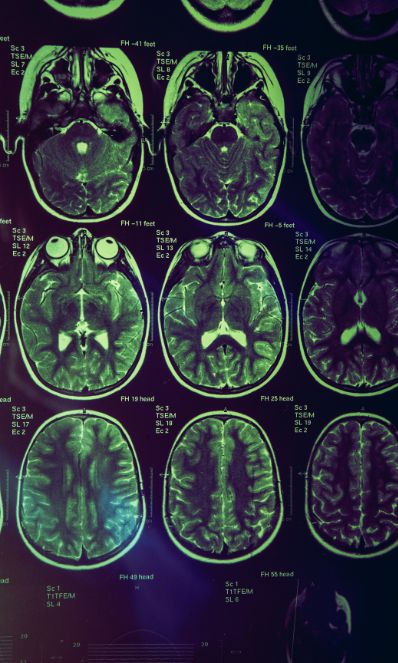
Benign tumors. If you have tinnitus in only one ear, or if it’s much worse in one ear than the other, it could be due to an acoustic neuroma—a benign tumor that develops along the nerve that regulates hearing and balance. A CT or MRI scan of the brain can usually confirm or rule this condition out.
How to Tell If You Have Tinnitus
Tinnitus sounds different from person to person. It may be constant or intermittent, loud or faint. So how can you know if you suffer from tinnitus? Tinnitus can include the following sounds:
Ringing
Buzzing
Hissing
Clicking
Humming
Roaring
Ringing
A noise like television static
Tinnitus can be occasional or constant. Those with intermittent tinnitus may find that the periods of ringing or buzzing become longer as the condition grows worse. In other cases, the tinnitus may slowly go away on its own.
Though tinnitus is often a side effect of TBI, it comes with side effects of its own. Those who live with tinnitus often suffer from a constellation of other symptoms, including:
Anxiety and mental distress
Fatigue
Loss of memory or the ability to retain new information
Irritability
Insomnia
Headaches and migraines
Inability to concentrate
Depression
These side effects, particularly depression and the inability to concentrate, can often make it tougher to find the motivation to seek treatment.
Do you have Tinnitus after an Injury?
At Breit Biniazan, our attorneys have decades of experience in fighting for the rights of injured people. Don’t delay—give us a call at (855) 659-4457 to set up a consultation to discuss your options if you think your tinnitus is a result of someone else’s negligence.
A Guide for Educators: Brain Injuries in Children and Youth
Every year, hundreds of Virginia children will experience traumatic brain injury (TBI), changing their lives forever. In addition to the long-term emotional, physical, and intellectual challenges often posed by brain injuries, children with TBI often face difficulties navigating the educational and social obstacles posed by traditional classrooms.
While these challenges are prevalent for children recovering from a TBI, they are far from insurmountable. By equipping our schools, teachers, and even medical professionals with the knowledge and tools to support these students, they are able to succeed in new ways.
As a traumatic brain injury law firm in Richmond and Virginia Beach, the attorneys at Breit Biniazan have witnessed the incredible effects of providing compassionate and knowledgeable support to children with TBI.
This begins with communication. When healthcare providers, parents, and teachers and educators communicate openly about a child’s brain injury and its potential effects, they are able to collaborate on solutions inside and outside of the classroom to help those students meet their full potential.
It takes a village of dedicated parents, medical professionals, TBI experts, adaptive school administrators, and supportive and patient teachers to help students with traumatic brain injuries adjust to a new kind of education. But when they work together and employ a well-honed knowledge of the student’s circumstances and brain injuries in general, they can achieve incredible accomplishments in the classroom.
That’s why we put together this guide: to help educators, school administrators, teachers, parents, and even students understand and communicate about traumatic brain injuries in children, how to adapt to students with these special needs, and how to prevent TBI in future children.
Every brain injury is different and manifests as different symptoms from child to child, and even from minute to minute. But by understanding these symptoms and how to alleviate them, we can provide these students with the support—and lives—they deserve.
Part I: What is a Pediatric Traumatic Brain Injury?
A pediatric traumatic brain injury is an injury that disrupts a child’s normal brain functionality. A traumatic brain injury—or TBI—is often caused by trauma to the head, which results in a head injury.
The damage inflicted by a TBI is usually two-fold. There is the injury that occurs as the initial blow to the head, which is referred to as the primary injury. The brain may bounce back and forth inside the skull, causing the brain to bruise, bleed, or nerve fibers to tear.
Following this initial damage, the brain will swell. The damage caused by the swelling of the brain is the secondary injury, and it may be even more dangerous than the primary injury. As the brain swells, it presses against the confines of the skull. Doing so deprives the brain of blood and oxygen, which can have debilitating long-term effects.
Types of Pediatric Brain Injuries
There are two types of traumatic brain injuries in children:
Closed brain injuries occur when a blow to the head does not penetrate the skull but damages the brain. The rapid forward and backward movement of the head—such as in a fall or car accident—causes the brain to move within the skull, leading to bruising and bleeding.
Open brain injuries occur when a blow to the head penetrates the skull, and the skull is crushed or fractured. In addition to the damage to the brain, they can also require surgery to close the wound.
In addition to traumatic brain injuries, non-traumatic brain injuries are also significant injuries to the brain that can cause long-term effects. Also known as acquired brain injuries, these injuries occur when internal conditions—such as a brain tumor, stroke, meningitis, or kidney disease—result in the swelling of and damage to the brain.
Why are Pediatric TBIs So Serious?
Traumatic brain injuries are the most common cause of both death and disability in children 14 and below.1 Injuries to the skull are particularly traumatic for children because structural changes to the skull are still occurring at this young age. It’s also more difficult to evaluate neurological changes in children because they may not be able to vocalize their symptoms, or they may be easily mistaken for symptoms of other conditions.
Part II: Common Causes of TBI in School-Age Children
Developing awareness around the most likely causes of a TBI in a child’s age group can help parents and teachers develop the precautions and habits to keep them safe. It can also help educators recognize the activities that may lead to brain injury, in or outside the classroom, and how that injury may affect the student’s behavior or performance. Combined with an understanding of TBI symptoms, this can ensure adults efficiently seek support for a child if they suspect a brain injury.
Common Causes of TBI in Preschoolers
Children aged four and under—including preschoolers—are the most likely to experience TBI.
“One of my biggest concerns is young children who experience an injury before they’re in school, that 0 to 5 group,” says Juliet Haarbauer-Krupa, PhD, Senior Health Scientist in the Division of Injury Prevention at the Centers for Disease Control & Prevention, adding that this age group has experienced the highest number of emergency department visits in their data reporting for many years.
In this age group, Dr. Haarbauer-Krupa says, “TBI may or may not be recognized depending on the symptoms they’re showing, and they are more at risk for long term effects because they’re young and [symptoms could last] across their entire life.”
The most common causes of TBI in preschoolers include:
Physical abuse and assault: Unfortunately, physical abuse is one of the most common causes of traumatic brain injuries in preschool-aged children. It is important for educators to know how to recognize the signs of abuse so that necessary action can be taken to protect these children.
As children age from toddlers through elementary school, they continue to develop motor skills and coordination. As those skills develop, they are more prone to accidental head injury through falls and recreation.
“Looking across mechanisms of injury across the pediatric life span, as children age beyond age six, sports-related injuries increase,” adds Dr. Haarbauer-Krupa.
The most common causes of TBI in elementary school-age children are:
1. Vehicular accidents: Children in this age group may continue to use car seats, which can help protect them from TBI in the case of vehicular accidents. However, these accidents remain the primary cause of traumatic brain injuries in children 5–14, accounting for 55.8% of TBI-related deaths in this age group, according to the CDC.6
2. Bicycle accidents: As elementary-age children begin to learn how to ride a bike, the likelihood of TBI from bicycle accidents increases. It’s important to teach children to always wear a helmet when riding their bikes in order to prevent a TBI. Teachers should make sure children who ride bikes to and from school always wear a helmet.
3. Falls: Falls remain a common cause of traumatic brain injury in school-age children. While most falls in children result in minor head injuries, they can lead to a TBI.7 These injuries may occur when the child falls from a bed, off playground equipment, down stairs, from an adult’s arms, or even from ground level.
4. Recreation: Elementary school children engage in more recreational activities than preschoolers, from climbing higher playground equipment at school to beginning group sports and activities. Unfortunately, these recreational activities contribute to TBI rates in children of this age, and teachers, parents, and coaches should carefully monitor the activities of children.
Common Causes of TBI in Adolescents
A study from 2013 indicated that rates of TBI hospitalizations in adolescents decreased in the years prior. In the years the study cited (2005 to 2009), annual adolescent TBI hospitalizations decreased by 21%.8 However, traumatic brain injuries are still a matter of concern for adolescents.
The most common causes of traumatic brain injuries in adolescents include:
Vehicular accidents: Vehicular accidents are the most common cause of TBI in adolescents, attributing to 35% of TBI in this age group.8 Vehicular accidents are the primary cause of TBI in older children in this age group (14–19 years old), perhaps because children in this age group begin to drive with or without adult supervision.
While there are many resources parents, teachers, and school administrators can use to support students with traumatic brain injuries, the best support of all is prevention. Preventing TBIs in children requires the attention and support of all of these communities.
Some strategies for preventing brain injuries in children include:
Practice proper car safety. Parents should always use the correct car or booster seat for their child’s weight and height.
Wear a helmet. Ensure your child wears a helmet when engaging in recreational activities such as riding a bike, skateboard, or horse, playing contact sports, or skiing or snowboarding.
Keep your home safe. For younger children, use safety gates on the stairs and don’t leave them alone on high pieces of furniture. Keep firearms locked in a cabinet. Use side rails on bunk beds.
Keep your children safe outdoors. Monitor children on playground equipment, and check the equipment to make sure it’s safe before they play. Avoid trampolines.
Sports and recreational injury strategies. Dr. Haarbauer-Krupa notes that making changes in certain sports to reduce risk can help children in middle and high school.
Part III: How to Recognize Brain Injuries in Children & Adolescents
Understanding the common causes of brain injury in children can help adults protect children in order to prevent these injuries. Prevention is not always possible, however, which is why it is just as important to recognize the signs of brain injury in children.
The symptoms of brain injury in children may be subtle or change over time.
Younger children may be unable to communicate these symptoms, making them even harder to recognize. Sometimes they are mistaken for other conditions, such as bad behavior or natural mood changes, so it’s important educators and parents alike be able to differentiate between these symptoms.
Symptoms of Pediatric TBIs
By learning how to recognize these signs of a TBI, parents, teachers, administrators, and other guardians can help children receive medical attention quickly to prevent the onset of more debilitating side effects. The symptoms of a brain injury may be physical, cognitive, and/or emotional and may include:
Physical Impairments
Loss of consciousness
Inability to awake
Severe and persistent headache
Drainage of clear or bloody fluids from orifices like nose or ears
Recurrent vomiting or nausea
Changes to sleeping habits
Changes to eating habits
Drowsiness
Seizures or convulsions
Dilation of pupils
Weakness or numbness in extremities (fingers and/or toes)
Uncoordinated movement
Scalp swelling
Cognitive impairments
Inability to focus
Confusion
Slurred speech
Memory loss
Emotional impairments
Mood changes, especially sadness or depression
Irritability or combativeness
Increased or inconsolable crying
Lack of interest in favorite activities or toys
If you recognize any combination of these symptoms in a child, medical attention should immediately be sought for him or her.
If a teacher recognizes these symptoms, notify a parent immediately.
If any of the symptoms above appear in a child under your care, or if more mild symptoms worsen or do not subside over time, a guardian should seek medical attention or contact the child’s parents.
Parents and teachers alike should keep in mind that symptoms may vary from one age group to another.
“Children younger than five may not show the same symptoms as older children,” says Dr. Haarbauer-Krupa, referencing a recent study that indicates younger children, “for example, may have incontinence or excessive crying, which are not on the school age checklist.”14
Long-term Symptoms of TBI
Experts note the symptoms of a TBI may not manifest for weeks or, in some cases, years. In that case, it is often easier for a parent or teacher to disregard the symptoms as something else, rather than connecting them to a previous brain injury.
Dr. Brenda Eagan-Johnson, CBIST, a board member of the Academy of Brain Injury Specialists for the Brain Injury Association of America, and a child, adolescent, and young adult brain injury neurodevelopmental consultant, points out that it’s often students with moderate brain injuries who fall into this category.
“It’s those moderate traumatic brain injuries that schools aren’t finding out about until a few years later when their effects kick in as their brain matures and develops,” she says. When symptoms manifest years later, they’re often misdiagnosed.
“For instance, if a young child injures their frontal lobe, those higher order thinking skills in the frontal lobe aren’t being tapped into in first grade,” explains Dr. Eagan-Johnson. “So we may not see those issues manifest until middle school when the frontal lobes that were injured in first grade are going through a rapid maturation. And when they’re called upon to perform these higher-order thinking skills, that could be when we see deficits in organization and initiation in motivation self-regulation—all of that can sometimes fall apart.”
It’s important for parents to inform schools about their children’s brain injuries, not just immediately following the accidents, but possibly for years to come. Doing so will help educators evaluate and support students with TBI, even if their symptoms change.
How to Check the Seriousness of a School Head Injury
While most head injuries in children do not occur at school, it is possible that a child could have a TBI during a school activity.
“I work with schools daily in the field of brain injury, and we’re seeing almost half of the students with concussions are from non-sports related injuries,” says Dr. Eagan-Johnson.
“We see a lot of motor vehicle accidents, a lot of physical education class and recess injuries, bus accidents or incidents where the bus doesn’t actually get in an accident, but maybe it runs over a landscape rock and everyone hits their head, things like that.”
If a child sustains a head injury at school—whether as the result of a fall, recreation, or some other accident—carefully monitoring the child and following up with medical attention if symptoms escalate or appear can greatly impact the outcomes in the case of TBI.
If a child sustains any injury to the head worse than a mild bump, teachers should contact the child’s parents, who should contact their doctor. A doctor will be able to offer next steps, including whether or not medical attention is necessary.
If a child under your care sustains a minor head injury and none of the symptoms outlined above are present, you should do the following:
Address any injuries. If the injury occurred at school and caused a small wound on the head, a school nurse should clean the area with soap and water, then apply pressure using a sterile cloth. If bleeding continues for 10 minutes or longer, you should seek medical attention.
Encourage rest. Rest is an important part of their recovery. If at school, encourage them to pursue a quiet, relaxing activity, like reading.
Treat swelling. A large bump may appear on the skull where the child was injured. A school nurse should apply an ice pack to the swelling for 20 minutes. Swelling should subside in the following hours and days, but if not, let the parents know they should visit their doctor.
Treat pain and other mild symptoms. If a child is nauseous or vomiting, offer them clear liquids, like clear juice or soda.
Monitor symptoms. If any of the following occur, the child should seek medical assistance. If at school, administrators should immediately contact their parents and, if necessary, call 911.
Seek medical attention if the child:
Continues to vomit for hours following the injury
Becomes more drowsy or lethargic
Develops neck stiffness
Their headache worsens
Their behavior becomes abnormal or they seem confused
Has a seizure or convulsions
Cries uncontrollably
Develops any weakness or numbness in extremities
Exhibits any concerning behavior or looks increasingly sick
Preparing for a TBI Medical Visit with Your Child
Be prepared to discuss the details of the accident and how your child’s injury occurred. If you suspect the injury may have been intentionally inflicted by another child or an adult, it is necessary for you to communicate those concerns to the doctor.
You should also be prepared to discuss your child’s exact reaction to the injury and any symptoms that have appeared.
It is unlikely that your child will require an imaging test like a CT scan. These tests are performed to check for bleeding in the brain, a skull fracture, or other brain injuries. If your child is exhibiting more severe symptoms and a CT scan is needed, it should only take about 15 minutes.
If doctors are not sure whether or not an imaging test is necessary, they may decide to observe your child for four to six hours to monitor how their symptoms change. Observation usually takes place in the emergency department.
Part IV: How Do Traumatic Brain Injuries Affect Students?
No two traumatic brain injuries are the same, and neither are their effects. Depending on the severity of the TBI, its location, and innumerable other factors, children who experience a traumatic brain injury may make a full recovery or experience lifelong side effects.
The side effects experienced by children with TBI are multifaceted and can be cognitive, emotional, or behavioral. All of these can have implications on the academic and social abilities of the child and the environment and tools with which they will do best.
The needs—physical, emotional, and educational—of students with TBI will likely be different than before their injury. Some of these changes that parents, teachers, and the students themselves can expect include:
Physical Effects
Vision loss
Hearing loss
Speech loss
Paralysis
Seizures
Persistent headaches
Lethargy or less stamina
Changes in motor skills, like incoordination or imbalance
Perceptual deficits, like difficulty distinguishing between parts of the body
Children may experience physical side effects that impact their motor and/or sensory skills. Typically, children are more likely to resolve issues with their motor skills through means such as physical therapy and adaptive equipment.
Sensory deficits—such as a loss of vision or hearing, seizures, and response to touch and temperature—are more likely to persist. That is because these are not as easily addressed through therapies or equipment.
Emotional & Behavioral Effects
Mood swings
Denial
Anxiety
Lower self-esteem
Irritability or aggression
Sadness or depression
Easily frustrated and/or overstimulated
Difficulty understanding social rules or queues
Lack of motivation
Noncompliance
Impulsive and/or lack of self-control
With most disorders, the emotional and behavioral reactions of children are somewhat predictable or habitual. With students with TBI, however, their emotional reactions are completely unpredictable. They may exhibit some of the side effects above at times, and other side effects at other times.
The behavioral side effects of TBI also vary greatly between age groups. Preschool and elementary-aged students are more often hyperactive, distractible, or lack emotional control. Adolescent students are more likely to be irritable or agitated and have trouble inhibiting their verbal responses.
Cognitive Effects
Difficulty concentrating and easily distracted
Inability to organize information
Difficulties with creative problem solving
Rigid thinking and inability to generalize
Lack of judgment
Delayed response time or processing time
Compromised perceptual and spatial skills
Difficulties with memory
Decreased language function
Learning disabilities
Difficulties reading or writing
Children with TBI who receive inpatient treatment with promising results may suddenly express the cognitive effects of their injury upon their return home or to school. As more demands are placed on the student, more cognitive effects manifest.
Academic Effects
The cognitive effects of TBI are perhaps easiest to connect to the academic impacts of TBI on students. A lack of memory skills, for example, can have a clear effect on academic ability.
However, the behavioral effects of TBI can also have a significant impact on students as they experience difficulty transitioning back into a traditional educational environment and the social and emotional trials such a situation demands. Adaptations may also need to be put in place to support the physical effects of the students’ TBI.
Part V: Plan for Returning to School
Because the side effects of TBI are so unpredictable, it can be difficult for educators, as well as parents and students, to prepare for their return to the classroom. A patient’s first year following such an injury greatly impacts their outlook,12 and for students, this includes their long-term academic outcomes.
That’s why it’s so important for educators to work closely with the child’s medical team and family to curate an Individual Education Plan (IEP) that best suits the individual student. By working together, educators can develop a plan through which the child can transition back into the classroom with the best results possible.
Plans for Parents & Students
Communicate with your student’s school.
As a parent, it is your responsibility to begin preparing your student and their school administrators for a return to school as soon as possible. You should maintain communication with your child’s school following their injury so that the school can connect them with any resources that may make their return to school easier.
That communication, she says, should include, “Letting the school know that their child experienced an injury, asking the school to evaluate them—and not just evaluate them at the time of injury, but parents and school should be monitoring them over time because they may not see things at the time of injury, they may show up later.”
Ask your doctor about what to expect moving forward.
Unfortunately, there is sometimes a lack of communication or a misunderstanding between healthcare providers and parents about the extent of a brain injury. When parents hear that their child will be “fine,” says Dr. Eagan-Johnson, “they don’t know that that doesn’t mean he’s not going to return to normal.”
That’s why it’s important for healthcare providers to present parents with materials and information regarding what to expect in the coming weeks, months, and even years. If your healthcare provider doesn’t provide this information upfront, ask about it.
Dr. Haarbauer-Krupa of the CDC agrees.
“We currently have two external funding projects where we’re working on, based on our pediatric model TBI guideline with health care providers, how to give discharge instructions that parents can use in the school,” she says.
“It’s very important that healthcare professionals provide discharge instructions to parents and encourage them to report the injury to school and work with the school.”
Foster connections between the school and medical experts.
You should also serve as a facilitator in connecting the school personnel with the medical professionals, including rehabilitation experts, who are helping your child recover. Together they can create a plan and educational strategies to help your student. It is possible that your state’s Office of Special Education has a brain injury educational consultant who can help special educators in your school provide the right services for your student.
“There’s huge variation from state to state about what happens to kids once they get to school and what health care providers are telling them,” says Dr. Haarbauer-Krupa of the CDC.
“The importance of engaging stakeholder groups like healthcare professionals, parents, teachers, and students, especially high school students, all need to be involved in this to make sure it gets accomplished.”
Address behavioral issues at home.
While the teachers and administrators at your child’s school will work directly with your student to address some of the behavioral issues your child may exhibit, this work begins with you. There are many strategies for managing your child’s behavior some of which include specific communication, creating structure and consistency in their days, and building positive support systems.
Understand your child’s rights.
According to Virginia law, schools must meet the requirements of both Section 504 of the Rehabilitation Act and the Individuals with Disabilities Education Act (IDEA). Among other rights, these acts ensure that students with disabilities, including brain injury, receive the same education as their peers. The school must provide an Individualized Education Program (IEP), and, as parents, the school is required to include you as part of the IEP team.
Prepare students.
“Things that can be done for students with TBI that are returning to school is review things such as class schedules, names of their educational staff and peers, and information like bus and classroom numbers (homeroom),” says says Tiffany White, Director of School Services at the American Speech-Language-Hearing Association (ASHA).
“If allowable, it may be helpful to visit the school prior to the reopening to navigate the hallways to assist with locating classrooms and other areas within the school that the student would be expected to attend throughout the school day.”
Parents can help support students by obtaining syllabi and curricular information to help students prepare for the coursework.
“Another important thing that parents can do to assist their child transitioning back to school is working on self-advocacy skills, as students may need to request assistance or additional supports to help them complete their work (i.e., asking to have the directions repeated, state when they do not understand something, etc.),” White says.
Plans for Teachers
Know what to expect.
Before the student enters your classroom, you can prepare for their arrival through consistent and detailed communication. You should set up communication with their medical and rehab teams, as well as the student’s parents, to better understand the current abilities of the student, as well as suggested accommodations.
“If we immediately support students when they return to school with the appropriate academic support to alleviate cognitive overexertion, which can cause TBI symptoms to spike, they should recover faster,” says Dr. Eagan-Johnson.
Anticipate behavioral issues.
In addition to the cognitive challenges you and your student may face together, there will also likely be behavioral issues you’ll have to navigate. Anticipating these issues will help you best serve both your student with TBI and your entire classroom.
Some behaviors to expect include:
Temper tantrums
An inability to stay on task
A lack of motivation
Impulsive behavior
A lack of control over emotions
Easily frustrated
Easily overstimulated, which can lead to emotional distress
Learn how to address challenging behavior.
While these behaviors could be disruptive for the teacher, student, and other classmates, understanding how to create an environment that supports the student can help prevent or address these challenging behaviors.
Some practices that may work in your classroom include:
Time-out, which gives the student time to refocus.
Structure and consistency in scheduling and expectations.
Positive reinforcement to encourage positive behaviors.
Clear communication, including explaining plainly why bad behavior is not acceptable.
Avoid “punishment” for bad behaviors and instead reinforce good behaviors with praise.
Ensure the student understands you are a team and are working together to help him or her succeed.
Allow the student to rest. With symptoms like fatigue and headaches, they may need time to rest in the midst of a busy school day.
Work with your school administrators on appropriate accommodations. See below.
Coordinate with Speech-Language Pathologists and Psychologists
“In order to support students with TBI, teachers should collaborate with the school’s Speech-Language Pathologist and Psychologists,” says White of the ASHA.
“These two professionals will be able to provide information regarding how the effects of the TBI may manifest within the classroom and home setting. They can also provide recommendations regarding the supplemental aids and services that would be most beneficial for the student.”
Working together, these professionals will be able to identify the best accommodations and modifications for the student.
“For instance, some students with TBI may demonstrate issues related to memory and organization and would benefit from the use of graphic organizers and visual support within the classroom setting,” White adds.
“If a student demonstrates difficulty with processing orally presented information, they may benefit from extra processing time, repetition of information, and chunking of information (providing information in pieces instead of all at one time).”
Communicate with other students.
In younger children especially, there can be a lot of misunderstandings about brain injury and its effects.
“I can’t tell you how many times we’ve heard children think that they can catch a brain injury like a virus,” says Dr. Eagan-Johnson.
Teachers should communicate with students about brain injuries and what to expect as their fellow student returns to the classroom. Dr. Eagan-Johnson suggests conversations like, “Your friend’s coming back. They hurt their brain; they’re going to be the same person, but they might be a little different.”
By equipping other students (and teachers) with knowledge about brain injury, you can cultivate understanding and empathy in the classroom.
Encourage friendship and peer acceptance.
Most children and adolescents don’t have the social tools to navigate the difficulties of TBI, and they may withdraw. For many students with TBI, one of the most devastating consequences of their injury is the loss of their friendships.
Teachers can help all of their students better understand and support students with TBI through the following strategies:
Explain the circumstances to your students. If you know the student with TBI may have trouble with social queues, explain this to your students and discuss ways they can support their peers.
Choose a peer volunteer. A peer volunteer can help the student with TBI with the physical requirements of school—such as guiding them through a busy hallway—as well as social support.
Incorporate social activities into your lesson plans. Rather than separating students throughout the school day, it can help a student with TBI to have scheduled social time through assignments or activities.
Encourage interactions. Introducing students with TBI to new activities and social groups can help them find a new place in the school where they feel welcome.
Plans for Schools & Administrators
Conduct a TBI School Evaluation.
Before the student returns to school, the school should conduct an evaluation to determine the current status of the student and the necessary accommodations to support them. The assessment should include the student’s medical records regarding their TBI and a psychological assessment administered by a psychologist (like a licensed school psychologist or one licensed by a State Board of Psychological Examiners).
These psychological assessments will include areas of study such as memory, attention, overall behavior, cognition and understanding, abstract thinking, judgment, reasoning, problem-solving, and ability to process information.
The TBI School Evaluation may also include other assessments around motor skills, communication, and psychosocial skills. Other factors to keep in mind are the student’s performance before his or her injury and how adaptive they seem.
The Evaluation should also include various interviews with parents, rehab specialists, former teachers, and especially the student him or herself. It should also include a classroom evaluation and an evaluation in one other setting, such as a playground.
With all of this information, administrators, teachers, and guardians will be able to establish an IEP or accommodations for the student that will best support his or her return to school.
Establish a Concussion Management Team.
Depending on the severity of the student’s brain injury, Dr. Eagan-Johnson points out that he or she may need an IEP, a 504 plan (accommodations), or simply informal classroom supports to help them navigate the first few weeks at school. A Concussion Management Team can help a school identify the correct support systems for the student.
“A school needs to have a concussion management team for a return to learning,” she says.
“They have processes in place; they have forms; they have communication. When that student returns to school, they immediately implement support to alleviate cognitive overexertion.”
Those supports may include:
Building breaks automatically into the day, rather than waiting for the student to ask for a break.
Giving students copies of the teacher’s notes because taking notes can trigger symptoms.
Removing them from loud, overstimulating environments in the initial weeks.
Reducing key learning content and repetition.
About 70% of students will recover in the first four to six weeks in school, says Dr. Eagan-Johnson. The 30% of students who need support beyond that time may need a more formalized education plan such as a 504 plan or IEP for special education.. A concussion management team can help identify if a student needs long-term support in the classroom.
Help Teachers Identify TBI
Oftentimes a brain injury may not be reported to the school, in which case it’s important for teachers to recognize the symptoms of such an injury and put a plan in place to support the student. And as Dr. Eagan-Johnson points out, sometimes those symptoms may not manifest until years after the injury.
“It’s not until they’re failing or struggling behaviorally that we then have to wade through and try to figure out what’s going on, and in order for a school to figure out what’s going on, if the parents haven’t notified them of the brain injury, they need to be asking the right questions,” she says.
Simply asking if a student experienced a TBI might not be helpful, she says. Instead, teachers should ask questions such as:
Has your child ever lost consciousness?
Has your child ever fallen and hit their head?
Has your child ever had to go to the emergency room from hitting their head?
Coupled with an understanding of the symptoms of TBI, asking these questions can help educators and teachers identify undiagnosed injuries in students and provide them with the support they need in the classroom, as well as communicate their concerns to parents.
Determine the student’s level of educational performance.
Developing a successful IEP also demands administrators and educators determine the student’s level of educational performance. He or she should be evaluated in core areas, including math, science, reading, and writing. Understanding the student’s current skill level or academic performance can help educators put supportive accommodations in place to help them succeed.
Put accommodations in place to support the student.
Accommodations are designed to support the student so they can receive the same level of education as their peers. Common accommodations that help students with TBI include:
Asking for a consultation from an expert in traumatic brain injury.
Allowing additional time for the student to complete work, especially on tests.
Offering the student breaks as needed.
Prioritizing the quality of the student’s work, rather than the quantity.
Providing the student with more detailed instructions.
Repeating instructions.
Recording classroom instruction for the student to revisit later.
Providing assistive technology for the student where necessary.
Seating the student near the teacher and at the front of the classroom.
Excusing the student from presentations.
Offering oral examinations.
Utilizing multiple-choice questions.
Utilizing small-group instruction.
Keeping track of daily progress.
Connecting the students with peer tutors.
Maintaining contact with the student’s parents.
Considering a special class placement, like a resource classroom or self-contained class, where the student can receive support from a special education teacher.
About Breit Biniazan
Breit Biniazan is a Virginia law firm dedicated to supporting those wronged by life’s catastrophes, and there are few events more catastrophic than a childhood TBI.
In our many years practicing law in Virginia Beach and Richmond, we have witnessed the debilitating impact of TBI, as well as the miraculous recoveries made when communities come together to support these children.
In addition to medical professionals, educators, and parents, an important element of this support system is an experienced law firm that can protect the rights and futures of children affected by brain injury.
Our expert lawyers work as a team to provide children and their parents with legal support, as well as compassionate understanding and resources, to help them receive the compensation and justice they need to build a bright future.
For more information on identifying TBI in children, preparing students for TBI for a return to the classroom, and more, please visit the CDC’s Heads Up information center.
References
Takashi Araki, Hiroyuki Yokota, and Akio Morita, “Pediatric Traumatic Brain Injury: Characteristic Features, Diagnosis, and Management.” 2017. US National Library of Medicine, National Institutes of Health. https://www.ncbi.nlm.nih.gov/pmc/articles/PMC5341344/
US Department of Health & Human Services, Centers for Disease Control and Prevention, National Center for Injury Prevention and Control, “Traumatic Brain Injury in the United States: Emergency Department Visits, Hospitalizations and Deaths, 2002–2006.” March 2010. https://www.cdc.gov/traumaticbraininjury/pdf/blue_book.pdf
Camille L Stewart , Megan A Moscariello, Kristine W Hansen, Steven L Moulton,” Infant Car Safety Seats and Risk of Head Injury.” Journal of Pediatric Surgery, January 2014. https://pubmed.ncbi.nlm.nih.gov/24439608/
Nir Samuel , Ron Jacob, Yael Eilon, Tania Mashiach, Itai Shavit, “Falls in Young Children with Minor Head injury: A Prospective Analysis of Injury Mechanisms.” Brain Injury, 2015. https://pubmed.ncbi.nlm.nih.gov/25955119/
Anthony O Asemota , Benjamin P George, Steven M Bowman, Adil H Haider, Eric B Schneider, “Causes and Trends in Traumatic Brain Injury for United States Adolescents.” Journal of Neurotrauma, January 2013. https://pubmed.ncbi.nlm.nih.gov/22989254/
Galinos Barmparas, MD, Navpreet K. Dhillon, MD, Eric J.T. Smith, James M.Tatum, MD, Rex Chung, MD, Nicolas Melo, MD, Eric J. Ley, MD, Daniel R. Margulies, MD, “Assault in children admitted to trauma centers: Injury patterns and outcomes from a 5-year review of the national trauma data bank.” International Journal of Surgery, Volume 43, July 2017. https://www.sciencedirect.com/science/article/pii/S1743919117304533
C A Hawley , A B Ward, A R Magnay, W Mychalkiw, “Return to school after brain injury.” Archives of Disease in Childhood, February 2004. https://pubmed.ncbi.nlm.nih.gov/14736628/
Kayla A. Steward, Adam Gerstenecker, Kristen L. Triebel, Richard Kennedy, Thomas A. Novack, Laura E. Dreer, Daniel C. Marson, “Twelve-month recovery of medical decision-making capacity following traumatic brain injury.” Neurology, September 06, 2016; 87 (10). https://www.neurology.org/doi/10.1212/wnl.0000000000003079
Dominique Dupont, Cindy Beaudoin, Naddley Désiré, Maria Tran, Isabelle Gagnon, Miriam H Beauchamp, “Report of Early Childhood Traumatic Injury Observations & Symptoms: Preliminary Validation of an Observational Measure of Postconcussive Symptoms.” The Journal of Head Trauma Rehabilitation, April 2021. https://pubmed.ncbi.nlm.nih.gov/33935228/
Juliet Haarbauer-Krupaa, Tadesse Haileyesus, Julie Gilchrista, Karin A. Mack, Caitlin S. Law, Andrew Joseph, “Fall-related traumatic brain injury in children ages 0–4 years.” Journal of Safety Research, Volume 70, September 2019, Pages 127-133. https://www.sciencedirect.com/science/article/abs/pii/S0022437518308910
Concussions & Car Accidents: What You Need to Know
The CDC notes that around 1.7 million people suffer a concussion every year. With car accidents causing about 17% of traumatic brain injuries (TBIs), this means that each year, 289,000 concussions can be attributed to car accidents.
Some of these concussions may be mild and won’t require medical treatment, but others can have permanent, life-changing effects.
Below, we discuss some key statistics surrounding concussions in car accidents and the health risks of failing to seek immediate help for a concussion after a crash.
What Is a Concussion?
Though “concussion” tends to be used as a blanket term, there are several different types of concussions – categorized by the symptoms they cause. Many of the concussions discussed below can occur after a car accident.
A concussion occurs when a blow to the head causes your brain to collide with the inside of your skull. A mild blow may result in mild swelling that resolves itself quickly; a hard blow can cause hemorrhaging (internal bleeding) or even permanent brain damage.
Concussions aren’t only a risk in serious car accidents – even a fender-bender has the potential to cause a concussion. Depending on the speed you’re traveling and the angle of impact, you could hit your head on the steering wheel, the window, the windshield, or even the back of your seat.
What’s more, if you’re in a collision where your car’s airbag deploys, the force of this impact can also cause a concussion. Most airbags inflate at speeds of between 100 and 220 miles per hour. A strike to the head by a high-speed airbag just milliseconds after a crash can send your brain careening from one side of your skull to the other.
The Dangers of a Concussion
What makes TBIs so dangerous is the degree to which even serious brain injuries can go undetected. There are several common reasons for this:
If the patient has other serious injuries, like broken bones or cuts, doctors may focus on treating these more obvious issues before screening for a concussion.
Symptoms of a brain injury may take days or even weeks to develop.
Even if a TBI is suspected, many TBI patients will have a normal CT scan.
Many doctors now recommend undergoing an MRI exam instead of a CT if there’s any chance you have a brain injury.
If a concussion goes undiagnosed and untreated, it can have serious consequences for the patient:
Longer-lasting symptoms
Higher risk of future concussions
Memory problems
Changes in personality
After a concussion, it’s important to rest your brain and carefully return to your regular activities. Suffering another blow to the head while recovering from a concussion can cause permanent damage.
Types of Concussions You Have After a Car Accident
Physical/Somatic Concussions
Some types of concussions present more physical symptoms than mental ones. These concussions are often called “somatic” concussions. Some physical or somatic concussions can cause problems with your vision and balance.
You also may struggle with tasks like reading long paragraphs, staring at a cell phone or computer screen, or standing in one place without swaying from side to side. You might also experience more migraines or chronic neck pain as a result of the injury to your brain.
Cognitive Concussions
Cognitive concussions can affect your thinking and ability to process data.
You may have amnesia, experience difficulty forming new memories, or find it tough to concentrate on a task, multitask, or remember how to do certain things. Sometimes, those with cognitive concussions may find themselves getting tired more quickly at the end of the day.
Emotional/Affective Concussions
These concussions can impact your emotional state, increasing your anxiety and making it tougher to turn off intrusive thoughts.
Doctors believe that emotional concussions occur when there is any injury or damage to the parts of the brain that regulate emotion.
Even if you don’t notice any physical or cognitive effects from a blow to the head, if you find that your anxiety has grown worse after your accident or you’re having more trouble keeping your emotions in check, you may be suffering from an emotional concussion.
Sleep Concussions
For years, doctors warned caregivers not to allow someone who had just sustained a blow to the head to fall asleep – it was believed that doing so could cause the brain injury to become worse. But in recent years, this guidance has been updated.
For some, the sleepiness that can set in after a brain injury never goes away. You may find yourself more easily fatigued than before or even fall asleep in inappropriate settings. In other cases, your sleep disorder could take the form of insomnia or early waking. Any sleep disruption after a TBI should be evaluated by your physician.
Symptoms of a Concussion After a Car Accident
Every brain injury is different – some people will experience no symptoms or attribute the mild symptoms they’re experiencing to something other than a concussion. Others may have more serious symptoms.
Regardless, if you find yourself or a loved one suffering any of the below symptoms after a car accident, it’s important to give your doctor a call.
Headache
Confusion
Feeling dazed
Amnesia
Double vision
Ringing in the ears
Any sensitivity to light or sound
Nausea
Changes in personality (e.g. becoming angry more easily)
Rapid changes in mood
Irritability
Insomnia
Excess sleepiness
Delayed responses
Difficulty focusing or concentrating
And if you experience any of the below symptoms, head to the emergency room immediately. These symptoms can be a sign of a brain hemorrhage or another serious injury that needs immediate medical attention.
Blurry vision
Vomiting
Seizures
Slurred speech
Any loss of consciousness, no matter how brief
The more quickly you seek treatment after a concussion, the more treatment options will be available, and the greater your chances of a full recovery.
Risks of Not Seeking Immediate Help for a Concussion After a Crash
An untreated concussion can carry a number of risks, including the risk of developing early-onset dementia. If your brain injury is severe enough to cause bleeding inside your skull, the pressure can result in unconsciousness, coma, or even death.
Some of the potential complications that can result from an untreated concussion include:
Confusion or brain fog
Personality changes
Chronic pain
Impaired coordination
Decreased concentration
Depression
Post-traumatic stress disorder (PTSD)
Headaches
Dizziness or vertigo
An irregular heart rate
Seizures
Digestive problems
These physical symptoms don’t include the financial, emotional, and relationship aftereffects of your injury.
Cognitive or concentration issues may leave you unable to perform the job you had before your injury. You could also find yourself too fatigued to hold down full-time employment. Any changes in personality, including the increase in aggressive behaviors that can be common after a concussion, can make it tough to maintain your relationships with friends or your spouse.
The more concussions one has over their lifetime, especially multiple concussions within a short period of time, the more likely this person is to suffer serious and lasting effects from TBI. Because a brain injury poses so many unknown risks, early medical intervention is crucial.
Injured in a Crash? Breit Biniazan Can Help
If you or a loved one has recently sustained a concussion in a car crash, it’s important to focus your efforts on healing. The last thing you want to worry about is arguing with insurance representatives or lawyers.
The personal injury attorneys at Breit Biniazan have decades of experience helping car accident victims get the compensation they deserve, and we can help you too. Let us handle your case while you focus on what matters most.
What the Movie “Concussion” Tells Us About Brain Injuries
The movie Concussion has brought the public’s attention to the fact that brain injuries among football players are a serious problem. The film is an important step in raising traumatic brain injury awareness and it illustrates several inaccuracies and myths about brain injuries.
Some of these myths include:
The belief that football players only suffer a brain injury if they lose consciousness.
Concussion symptoms often disappear within days or weeks, and therefore do not need treatment.
If the player is still able to function well enough for them to play in games, they are not at risk of long term damage.
The movie shows the devastation suffered by these football players of losing their identities, their families, and finally their lives. The torment of daily headaches, speech impairment, loss of memory, inability to concentrate, anxiety, depression, and suicide suffered by the players is evident throughout the film.
These are the very same struggles so many of our brain injury clients and their families endure. When in court, many times opposing counsel will make the argument that brain injuries aren’t real. But your attorney need only point to the movie Concussion to show that sometimes our society is wrong in understanding medical conditions. They can be very real, despite popular opinion.
If you or a loved one has suffered a brain injury, it is important to seek medical attention and legal assistance. The attorneys at the Breit Biniazan are experienced in handling brain injury cases and will work to get you the compensation you deserve. Contact us today for a free consultation.
When you suffer a traumatic brain injury, it can be extremely challenging to win your case. Even if you can prove that the accident wasn’t your fault, the problem of proving a TBI is difficult.
Traumatic brain injuries (TBI) can happen to anyone at any time. If you’ve been injured at no fault of your own and are considering filing a claim, it is important to understand what you need to do in order to win your case. This article will outline the basics of winning a TBI case, so you can be better prepared to take legal action. Keep in mind that these are general guidelines, and each situation is unique – please consult with an experienced lawyer before making any decisions.
Understanding the Legal Process
The legal process for a traumatic brain injury (TBI) case can be daunting and complex. Depending on the severity of the TBI, families faced with navigating the legal process may find it challenging to understand the potential implications of their choices. It is essential for those affected by a TBI to have a complete understanding of their rights and responsibilities throughout the entire acquiring process.
This includes speaking with both their healthcare providers about resources available for financial aid, as well as finding a qualified lawyer who specializes in brain injury-related cases. Seeking out professional help from both medical and legal experts is likely the most effective way to gain an understanding of all aspects of the legal process when facing a TBI case.
Gathering Evidence for a TBI case
When a traumatic brain injury (TBI) case is brought forth, it is important that all of the evidence necessary to support the claim be gathered as soon as possible. Collecting documents and communications related to medical treatment, character witness statements, and other compelling evidence can be crucial to making a successful case.
Attorneys and investigators working on behalf of TBI victims must not overlook any details in their pursuit of justice, as these details could become the key to making a winning argument for their clients. Time is of the essence when gathering evidence for a TBI case, so it is important to begin this process as soon as possible.
Preparing Witnesses
When preparing witnesses for a traumatic brain injury case, it is important to remember that no two cases are the same. Each witness should receive individual attention to make sure they understand what is expected of them and have the support needed during their testimony.
Establishing trust between attorney and witness is key to ensuring the witness is comfortable and feels prepared when they enter the court. It also helps lay out expectations related to the preparation of evidence, with documents and exhibits laid out so as not to be startled by anything in the courtroom. Careful preparation in advance can significantly improve each witness’s comfort level in court, leading to successful outcomes.
Crafting a Winning Argument
Crafting a winning argument in a traumatic brain injury (TBI) case requires strategy and diligent preparation from the attorney. A successful argument must stay the course in order to achieve victory. An effective advocate must be able to sift through a wealth of information, sorting essential facts and evidentiary details that are specific to the client’s situation. Every bit of evidence must be recorded and skillfully woven into an argument that is tailored to each particular circumstance; advocating for justice and providing positive results for the victim.
Within TBI cases specifically, due consideration must be paid to foreseeable damages, liabilities, and other financial considerations that were difficult prior to injury but now are impossible without compensation. The goal of crafting and delivering a powerful argument remains the same: winning this uphill battle and creating a brighter future for victims who have suffered at no fault of their own.
Negotiating a Settlement
Negotiating a settlement in a traumatic brain injury (TBI) case can be complex and daunting. It is important to remember that TBI cases are typically accompanied by severe injuries that can be life-altering and financially devastating, while at the same time they require expertise in managing the complexities of the process.
The first step is to obtain an experienced attorney with specialized knowledge in these types of cases. Then, your lawyer must have solid strategies for negotiating with insurance companies so that your rights and options are clear-cut and understood – as well as with the achievement of a satisfactory outcome.
In addition, medical records must be obtained to ensure proper documentation of symptoms experienced by the victim for all involved parties in order for any agreement to reflect fair compensation for both parties. Negotiating a settlement in TBI case can be challenging but with patience and diligence, you can work toward receiving maximum reimbursement and feeling like justice was served. Of course there are times when a fair settlement can’t be reached. In those cases you will need to work with your attorney to file a lawsuit and have your day in court to plead your case in front of a jury of your peers.
Appealing a Decision in a TBI case
When a traumatic brain injury (TBI) claim is denied by an insurance provider, the individual has the right to appeal. Unfortunately, navigating the appeals process can be extremely difficult for someone already under immense pressure dealing with their TBI diagnosis. That being said, some steps can be taken to help get an appeal approved and secure benefits an individual or their family needs.
Developing well-thought out arguments backed up by medical facts can increase the chances of success in any legal case. Documenting all medical visits and bills accrued due to TBI-related treatments is essential in these cases. Having experienced representation during this time can also play a crucial role in overturning a decision made by an insurance provider. Ultimately, once all required paperwork is gathered, filing the written request directly to the insurer is the best way to get started on your path to obtaining compensation and protection while handling a TBI case.
Working with a Legal Team
Working through a traumatic brain injury (TBI) case can be a draining process. It takes expert knowledge and experience to navigate the complexities of TBIs and associated legal requirements, so finding the right legal team is essential. When looking for an attorney, it’s important to find someone who will take the time to understand your needs.
You’ll want an attorney who will diligently evaluate medical reports and apply specialized processes specific to TBI cases. A knowledgeable legal team is essential when facing complex brain trauma issues, assuring that both medical needs are met and each party’s rights are respected.
Traumatic brain injuries (TBI) come in all shapes and sizes. While a severe TBI can lead to lifelong disability or even death, a mild TBI can often go undetected and untreated. However, just because a TBI is mild doesn’t mean it isn’t dangerous.
In fact, there are many hidden dangers associated with mild TBI that can have long-term consequences for victims. If you or someone you know has suffered a mild TBI, it’s essential to seek treatment as soon as possible. Ignoring the symptoms of a mild TBI can lead to more severe problems down the road.
What is a Mild TBI?
Mild traumatic brain injury, also known as a concussion, is a type of head injury that is caused by a bump, blow, or jolt to the head. Even though it is considered mild, concussions can be serious and should be taken seriously. They can affect your thinking process, emotions, and physical abilities. If you think you may have a concussion, see a doctor right away. There is no one-size-fits-all approach to treating concussions, so make sure to follow the advice of your healthcare provider.
Symptoms of Mild TBI
If you have a mild traumatic brain injury (mTBI), also known as a concussion, your symptoms may not be obvious. Many people with mTBIs don’t seek medical treatment, but it’s important to be aware of the symptoms so you can get help if you need it. Some common symptoms of mTBI include headaches, dizziness, nausea, fatigue, lightheadedness, and blurred vision. If you experience any of these symptoms after a head injury, see a doctor right away. Mild TBIs can lead to more serious problems if left untreated.
Diagnosis of Mild TBI
Mild traumatic brain injuries are often difficult to diagnose. Many times, people don’t realize they’ve sustained a concussion until long after the fact. Symptoms can be subtle and easily overlooked. This is particularly true for children and young adults, who may not be able to articulate what’s wrong. If you think someone has suffered a mild TBI, it’s important to monitor them closely and seek medical attention if symptoms worsen.
Long-Term Effects of Mild TBI
A concussion is usually not life-threatening, but they can have serious long-term effects. Many people who suffer a concussion do not realize they have one, because symptoms can be subtle and may not show up for days or even weeks after the incident. If you think you or someone you know may have suffered a concussion, it is important to seek medical attention right away. There are steps you can take to help reduce the risk of long-term damage from a concussion. For example, it is important to rest and give your brain time to heal; do not return to work or school until cleared by a doctor.
You should also avoid any physical activity that could cause another head injury. It is also important to watch for signs of post-concussion syndrome, which can include dizziness, headaches, memory problems, nausea, sensitivity to light and noise, and depression. If you experience any of these symptoms after suffering a concussion, seek medical attention right away. There is no cure for post-concussion syndrome, but treatment can help lessen the symptoms.
Cognitive Impairment from Mild TBI
Many people who suffer from mTBI do not realize they have been injured and may continue to work or participate in activities with unchanged symptoms. This can lead to further damage and long-term cognitive impairment. Unfortunately, there is currently no cure for cognitive impairment caused by mTBI, so it is important for those affected to seek treatments and therapies that can improve their quality of life. There are many options available, so it is important to speak with a healthcare professional about the best treatment plan for you.
Emotional Impairment from Mild TBI
While physical side effects are common with even a mild TBI, many people overlook the fact that emotional issues can also be brought on by a relatively minor incident. Depression, irritability, and memory problems may result from even a seemingly slight brain injury.
An accurate diagnosis is essential in order to begin tackling the hurdles posed by TBI-related emotional impairments. Friends, family members, and medical professionals need to be aware of this possible outcome and take appropriate action when necessary in order to ensure the best possible outcome.
Prevention of Mild TBI
Taking preventive steps to reduce the risk of mild traumatic brain injury (TBI) is an important step for anyone engaging in activities that could potentially lead to head trauma. It is imperative to understand the process of protection and precaution are key; wearing a helmet when engaging in biking, skiing or other high velocity activities can significantly reduce the likelihood of receiving a TBI.
Additionally, eliminating distractions and being aware of one’s surroundings can help prevent TBIs in everyday life. Taking these simple steps will help drastically decrease the likelihood of a TBI occurring and send someone off with peace of mind knowing they are protected.
Treatment of Mild TBI
While mild TBI cases often do not require in-patient hospitalization or rehabilitative therapies, many sufferers should pursue professional treatment to help manage symptoms or address any other secondary risks. Examples of treatments for mild TBI include cognitive behavioral therapy (CBT), various medications, acupuncture, therapeutic massage and yoga, coping skills training, and sensory integration therapies, among others. It is incredibly important to receive the help needed with proper diagnosis by a medical expert and begin the process of managing symptoms correctly as soon as possible.
Support for Mild TBI
Mild TBI is not always taken seriously, but it is a serious condition that should be treated with respect. Those suffering from mild TBI require support throughout the entire course of their healing journey. While strategies like rest, physical therapy, and medication are often recommended, it can also be incredibly beneficial to have family and friends who can provide empathy and care. It’s important to remember that everyone heals at different rates and providing gentle support along the way can make a world of difference. The road may be hard but showing up to provide comfort and compassion will help keep individuals on track towards recovery.