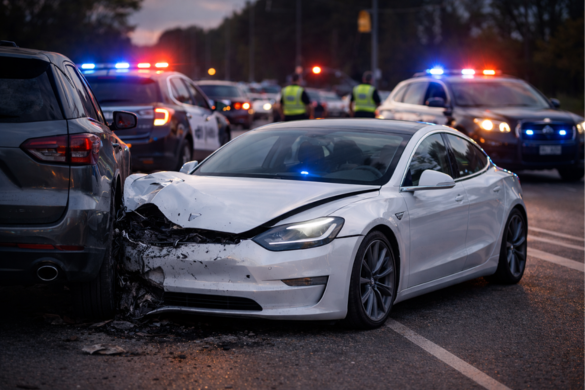
After a Tesla crash, one question comes up almost immediately: “Autopilot was on - does that mean I’m still responsible?”
It’s a fair question. Tesla markets its technology as advanced, intelligent, and capable of handling real-world driving. When something goes wrong, many drivers assume the system should shoulder the blame.
The reality is more complicated, especially if someone was seriously injured. If you were using autopilot when your accident occurred, you need a legal team that knows how to address this complicated area of accountability. Reach out to Breit Biniazan at (855) 659-4457 today.
What Tesla Autopilot Actually Does (and Doesn’t Do)
Despite the name, Tesla autopilot is not autonomous driving. Even Tesla says the driver must stay alert and ready to take control at all times.
From a legal standpoint, that distinction carries real weight.
Autopilot can assist with steering, speed, and braking under certain conditions. It can help manage highway driving and traffic flow. But what it does not do is replace the human driver under current traffic laws. That gap between marketing language and legal reality is where many injury cases begin.
Why Drivers Are Often Blamed First After an Autopilot Crash
In the early stages of a claim, responsibility is usually framed around traditional driving factors. Speed, attention, reaction time, and following distance all come into play, even if autopilot was engaged.
That initial framing can be misleading, as it doesn’t account for how the vehicle actually behaved or whether the system contributed to the collision.
Many injured drivers assume fault simply because autopilot was on. In reality, that assumption often benefits insurers and manufacturers far more than it reflects what truly happened.
Situations Where Tesla May Share Responsibility
Not every autopilot crash is about driver error. Some accidents raise serious questions about whether the system performed as it should have. Tesla may share responsibility when the technology:
- Fails to detect stopped traffic or obstacles
- Responds late or not at all to road hazards
- Makes unsafe lane or speed decisions
- Behaves unpredictably in situations a driver could not reasonably anticipate
These cases shift the focus away from momentary driver judgment and toward system performance, design, and safety testing.
The Role of Tesla Vehicle Data in Determining Fault
One of the biggest differences between Tesla crashes and traditional car accidents is data.
Tesla vehicles record detailed information before, during, and after a collision. That data can show whether autopilot or full self-driving was active, how the car responded, and if the driver intervened at all.
In many cases, this data tells a very different story than witness statements or police assumptions. Accessing this information is rarely simple. Tesla and insurance carriers typically do not hand over this information without pressure, and delays can affect what evidence remains available.
Patterns Seen in Real Autopilot Injury Cases
While every crash is different, certain autopilot-related scenarios appear again and again in serious injury claims.
These include rear-end collisions where the Tesla fails to slow down, intersection crashes involving stopped vehicles, and sudden braking events that trigger chain-reaction accidents. Each pattern raises different liability questions and requires a tailored investigation.
What matters is how the vehicle’s autopilot behaved and whether that behavior created danger.
What Injured Drivers and Passengers Should Take Seriously Early On
The first decisions made after an autopilot crash can shape the entire case. Statements given too early, assumptions about fault, or failure to preserve evidence can limit options later. A few realities are worth keeping in mind:
- Autopilot being active does not automatically decide fault
- Vehicle data can either support or undermine the driver’s position
- Early narratives are hard to undo once they take hold
Why Clients Trust Breit Biniazan With Complex Injury Cases
At Breit Biniazan Trial Lawyers, we focus on serious injury cases involving high stakes and powerful defendants. Our team has secured over $2 billion for our clients, and we approach every case with the expectation that it may need to be tried.
That mindset matters in cases involving Tesla autopilot and full self-driving technology. These claims require a firm that understands how to challenge system failures, analyze technical evidence, and push back when blame is unfairly shifted onto injured people.
If you or someone you love was injured in a Tesla crash involving autopilot or full self-driving features, contact the experienced team at Breit Biniazan to talk through what happened and where responsibility may truly lie.