Infant Deaths, Suffocation Risks, and the Rock 'n Play Recall
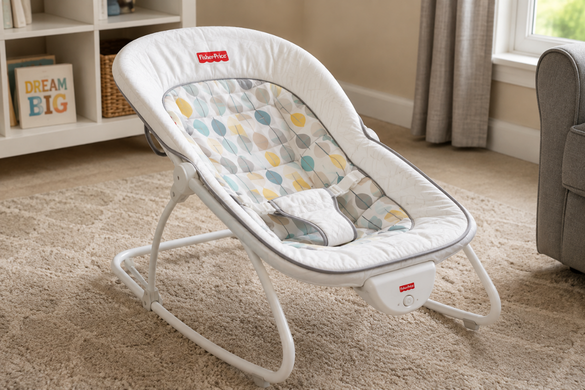
Fisher-Price sold millions of Rock 'n Play Sleepers before recalling the product in 2019 following reports of infant deaths. Lawsuits filed by families have alleged that the inclined sleeper created a suffocation risk and that parents were not adequately warned about the danger.
The U.S. Consumer Product Safety Commission (CPSC) reannounced the recall in 2023 after additional deaths were reported. At that point, approximately 100 deaths had reportedly occurred while infants were in the products. Fisher-Price stated that it was unable to confirm the circumstances of some reports or whether a Rock 'n Play was involved.
All models of the Fisher-Price Rock 'n Play remain recalled and should not be used.
Families whose child suffered a serious injury or died while using a Rock 'n Play can contact Breit Biniazan about the circumstances. Our attorneys handle product liability and wrongful death claims involving dangerous children's products.
Why Was the Fisher-Price Rock 'n Play Recalled?
The Rock 'n Play positioned babies on an inclined surface rather than a flat sleep surface. The CPSC announced the original recall on April 12, 2019, after more than 30 infant fatalities had been reported.
Some of the reported deaths occurred after infants rolled from their backs onto their stomachs or sides while unrestrained. When the CPSC reannounced the recall in January 2023, it reported approximately 70 additional fatalities following the original recall announcement, including at least eight that reportedly occurred after the recall.
The CPSC has warned that inclined sleep products do not provide a safe sleep environment for infants and recommends that babies sleep on their backs on a firm, flat surface.
What Have Rock 'n Play Lawsuits Alleged?
Rock 'n Play lawsuits have focused on both the sleeper's design and what Fisher-Price told parents about using it.
Plaintiffs have alleged that the inclined design exposed babies to suffocation and asphyxiation hazards. Claims have also challenged warnings, instructions, testing, marketing, and Fisher-Price's response as reports of infant deaths became known.
Those allegations can support different types of product liability claims.
Design defect claims may examine whether the incline, restraints, sleep surface, and other features created an unsafe position for sleeping infants.
Failure-to-warn claims may examine what Fisher-Price knew about suffocation or asphyxiation risks, when the company learned about those risks, and whether parents received adequate warnings.
Company records can be especially important. Testing documents, consumer complaints, incident reports, communications with regulators, design changes, and internal discussions can help establish a timeline of what was known about the product.
The Rock 'n Play Recall Did Not Remove Every Sleeper From Use
About 4.7 million Rock 'n Play Sleepers were sold between September 2009 and April 2019. Recalling a product on that scale does not mean every unit disappears.
The CPSC reported additional deaths after the 2019 recall and later raised concerns about recalled sleepers remaining in homes and appearing for sale through the secondhand market.
A Rock 'n Play may still be stored with old baby equipment or passed between relatives without the new user knowing about the recall. All models are recalled, including products that appear undamaged or were previously used without an incident.
Federal law prohibits the sale or distribution of recalled products. Anyone who still has a Rock 'n Play should stop using it and follow the CPSC and Fisher-Price recall instructions.
Can Families Still File a Fisher-Price Rock 'n Play Lawsuit?
Previous Rock 'n Play lawsuits were consolidated in multidistrict litigation, and some cases were resolved through a $19 million settlement approved in 2025. The MDL has since closed.
That does not automatically determine whether another family has a claim.
A potential case may depend on when the injury or death occurred, where it happened, when the connection to the Rock 'n Play was identified, and the filing deadlines that apply in that state.
Rock 'n Play claims may involve injuries such as:
- Suffocation
- Asphyxiation
- Oxygen deprivation
- Hypoxic brain injury
- Other permanent brain injuries
- Wrongful death
If your child was injured or died while using a Fisher-Price Rock 'n Play, Breit Biniazan can review the circumstances and determine whether there is a potential product liability or wrongful death claim.
What Evidence Can Matter in a Rock 'n Play Case?
The sleeper itself can be significant evidence. If a Rock 'n Play was involved in an injury or death, do not sell it, give it away, modify it, or destroy it before getting advice about preserving the product.
Other useful evidence can include photographs of the sleeper and where it was being used, model and serial information, purchase records, packaging, instructions and warnings, medical records, incident reports, and communications with Fisher-Price or a retailer.
Our team may also investigate information that families would not normally have access to, including product testing, design records, reports of similar incidents, recall history, and communications concerning safety problems.
Inclined Infant Sleepers Are Now Banned
The Safe Sleep for Babies Act became law in 2022 and prohibits inclined sleepers for infants. The law covers products intended, marketed, or designed to provide sleeping accommodations for infants up to one year old with an inclined sleep surface greater than 10 degrees.
Current federal guidance recommends a firm, flat sleep surface for babies. Products such as rockers, gliders, swings, and other inclined products should not be used for infant sleep when they do not meet applicable safe-sleep requirements.
The change came after years of concern surrounding inclined sleepers, including the deaths associated with Rock 'n Play products and other infant sleepers.
Contact Breit Biniazan About a Rock 'n Play Injury or Wrongful Death Claim
Cases involving infant products require close examination of the product, its design, warnings, testing, recall history, and what the manufacturer knew before and after the product reached families.
Breit Biniazan represents families in serious product liability and wrongful death cases involving dangerous children's products. We investigate the evidence behind the product failure and pursue the companies responsible when defective products cause catastrophic injuries.
If your baby suffered a serious injury or died while using a Fisher-Price Rock 'n Play Sleeper, contact Breit Biniazan to discuss what happened and whether a claim may still be available.