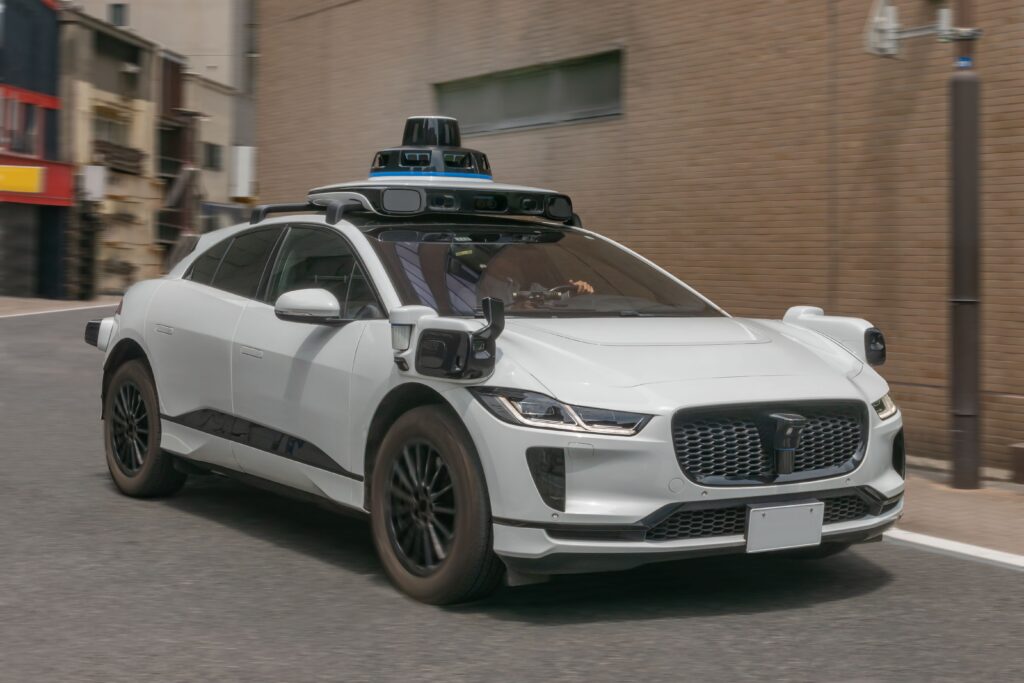
A recent incident in Phoenix drew national attention when a passenger reportedly jumped out of a Waymo self-driving vehicle after it stopped on train tracks with an oncoming train approaching. While the passenger escaped a direct collision, the situation raised serious questions about the safety of autonomous vehicles and what rights passengers and other road users have when something goes wrong.
If you were injured in or by a self-driving vehicle in Arizona, you may be uncertain about what to do next. Breit Biniazan represents individuals hurt in motor vehicle accidents, including those involving autonomous technology. Our attorneys help clients understand who may be responsible, what legal options are available, and how to pursue compensation when cutting-edge technology fails to keep people safe.
The Recent Waymo Self-Driving Car Incident in Phoenix
According to reports, a Waymo vehicle carrying a passenger came to a stop on active train tracks and did not move as the train approached. The passenger exited the vehicle moments before impact. Incidents like this highlight how autonomous systems can malfunction or fail to respond appropriately to real-world hazards, putting passengers and others at serious risk.
While investigations often focus on technical details, injured individuals and their families are left dealing with fear, trauma, medical concerns, and unanswered questions about accountability.
Common Causes of Autonomous Car Accidents
Self-driving vehicles rely on a combination of software, sensors, cameras, and algorithms. When one part of that system fails, the consequences can be severe. Common causes of autonomous vehicle accidents include:
- Software or programming errors
- Sensor or camera malfunctions
- Failure to detect obstacles, signals, or road hazards
- Communication breakdowns between vehicle systems
- Inadequate testing or updates
- Human oversight failures when remote or safety drivers are involved
These cases are often more complex than traditional car accidents because liability may extend beyond who was in control of the vehicle.
Who Is Responsible When a Self-Driving Car Causes an Accident?
Determining responsibility in a Waymo self-driving car accident requires careful legal analysis. Unlike traditional crashes, where a human driver’s actions are usually the focus, autonomous vehicles introduce layers of technological and corporate responsibility. Liability may involve the vehicle manufacturer, software developer, maintenance providers, or even a human overseer, depending on how and why the collision occurred.
Manufacturer Liability and Software Errors
If an autonomous vehicle’s sensors, cameras, or driving algorithms malfunction, the manufacturer or technology developer may be legally accountable. These cases often fall under product liability claims, which are designed to hold companies responsible for defective products that cause harm.
Common examples include faulty LIDAR systems, software glitches that misinterpret road conditions, or inadequate safety protocols in the design. Proving such claims typically requires expert testimony to trace the malfunction directly to a design or manufacturing defect.
Human Oversight and Safety Driver Responsibility
Even though self-driving vehicles are highly automated, many are still monitored by human safety drivers or remote operators. If a human supervisor fails to intervene when the system malfunctions or ignores warning alerts, they may share liability for the resulting crash.
In some cases, the company employing the safety driver can also be held accountable for inadequate training or supervision. Establishing liability in these scenarios often involves reviewing operational logs, safety protocols, and company policies regarding human oversight.
Negligence and Product Liability Claims
Self-driving car accident lawsuits often combine negligence and product liability theories. This means attorneys must consider whether a person or company failed to act with reasonable care, and whether the vehicle itself contained a defect that made it unsafe.
Claims may target both the technology developers and those responsible for deploying or maintaining the vehicle on public roads. Because these cases involve cutting-edge technology, they frequently require expert analysis of the vehicle’s data systems, design standards, and safety testing procedures.
What to Do After a Self-Driving Car Accident in Arizona
If you are involved in a Waymo or other autonomous rideshare accident, the actions you take in the hours and days that follow can significantly affect your physical recovery and your ability to pursue compensation.
- Seek medical attention immediately: Even if your injuries seem minor or you feel shaken rather than hurt, get evaluated by a medical professional as soon as possible. Some injuries, especially head, neck, or internal injuries, may not show symptoms right away. Prompt medical care protects your health and creates important documentation linking your injuries to the accident.
- Report the incident to law enforcement: Call the police and make sure an official report is created. A police report helps establish when and where the accident occurred and may include critical details about the vehicle, roadway, and circumstances surrounding the crash.
- Document the scene and your injuries: If it is safe to do so, take photos or videos of the vehicle, surroundings, visible injuries, and any damage. Capture details such as the vehicle number, Waymo branding, and road conditions. This evidence can become especially important if liability is disputed later.
- Avoid making statements to insurance companies without guidance: Insurance adjusters and corporate representatives may contact you quickly after an autonomous vehicle accident. Even casual statements can be used to minimize or deny a claim. It is best to avoid giving recorded statements or signing documents before speaking with an attorney.
- Preserve ride-related data and communications: Save screenshots, emails, app notifications, ride receipts, or messages related to the autonomous vehicle ride. This digital information can help establish control of the vehicle, timing, and system behavior at the time of the incident.
- Contact an attorney experienced with vehicle accident cases: Autonomous vehicle claims involve technology, corporate defendants, and evolving laws. Reaching out to a law firm experienced in serious injury and complex liability cases helps ensure evidence is preserved, your rights are protected, and the claim is positioned for a fair outcome from the start.
Can You File a Personal Injury Claim Against Waymo?
Yes, in many situations you may be able to file a personal injury claim involving a Waymo vehicle. Claims may be brought by passengers, pedestrians, cyclists, or occupants of other vehicles. Compensation may be available for:
- Medical expenses and future care
- Lost income and reduced earning capacity
- Pain and suffering
- Emotional distress
- Long-term disability or impairment
Because autonomous vehicle claims involve advanced technology and corporate defendants, these cases require thorough investigation and legal experience.
Why Choose Breit Biniazan for Self-Driving Car Accident Cases
Autonomous vehicle accidents present new legal challenges that require a deeper level of investigation, technical understanding, and legal strategy than traditional car crash cases. When advanced technology fails, large corporations and their insurers often move quickly to limit responsibility. Breit Biniazan has experience handling serious injury claims involving complex liability questions and emerging technologies, allowing the firm to step in early and protect clients from being overwhelmed or sidelined by powerful defendants.
Breit Biniazan supports injured clients throughout every stage of a self-driving car accident case by:
- Conducting in-depth investigations into how the autonomous system malfunctioned, including reviewing software behavior, sensor data, and vehicle performance.
- Identifying all potentially responsible parties, such as manufacturers, technology developers, operators, or third-party contractors.
- Working with qualified technical specialists and medical experts to clearly connect system failures to the injuries suffered.
- Managing all communication with corporate legal teams and insurance carriers to prevent unfair pressure or low settlement offers.
- Building comprehensive claims that account for medical costs, lost income, pain and suffering, emotional trauma, and long-term consequences.
Throughout the process, our firm remains focused on protecting injured individuals while holding companies accountable for unsafe technology. We provide steady guidance, clear communication, and determination in cases where cutting-edge innovation has placed public safety at risk.
Contact Our Arizona Car Accident Lawyers for Help
Self-driving vehicles are becoming more common, but safety failures can still lead to devastating consequences. If you were injured in a Waymo self-driving car accident in Phoenix or anywhere in Arizona, Breit Biniazan can help you understand your rights and legal options.
Contact us today at (855) 659-4457 for your free, confidential consultation and learn more about how we can help you after a devastating accident.