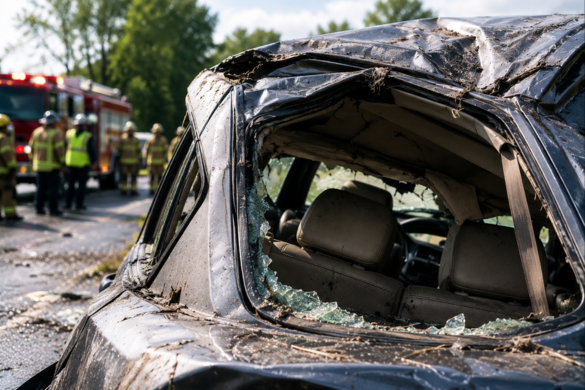
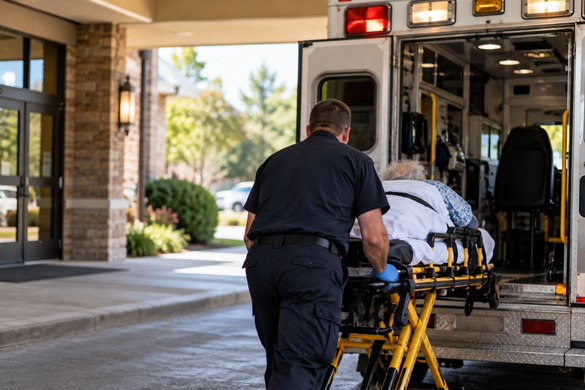
Roof rollover accidents are often associated with some of the most severe injuries seen in motor vehicle crashes. While the rollover itself creates significant risks, the condition of the vehicle's roof structure can play a major role in the outcome.
When a roof collapses into the passenger compartment, the space designed to protect occupants is reduced. That loss of survival space can expose drivers and passengers to forces that increase the risk of spinal cord injuries, traumatic brain injuries, paralysis, and other catastrophic harm.
In some rollover investigations, the focus extends beyond how the crash occurred and turns to how the vehicle performed during the crash. Roof strength, structural integrity, and the extent of roof intrusion often become important factors when evaluating whether a vehicle defect contributed to the injuries.
What Is a Roof Crush Injury?
A roof crush injury occurs when a vehicle roof collapses during a rollover accident and intrudes into the occupant compartment. Rather than maintaining the space designed to protect vehicle occupants, the roof structure moves downward into the area occupied by the driver or passengers.
When a vehicle roof collapse occurs, occupants may be exposed to forces that significantly increase the risk of spinal cord injuries, traumatic brain injuries, neck injuries, paralysis, and wrongful death. The severity of these injuries often depends on the extent of the roof intrusion and how the vehicle's roof structure performed during the rollover.
Why Some Vehicle Roofs Fail During Rollovers
Two vehicles can be involved in remarkably similar rollover accidents and produce very different outcomes for the people inside. One vehicle may maintain its structural integrity throughout the crash, while another experiences significant roof intrusion that reduces the space surrounding the occupants. That difference can be influenced by a number of factors, including roof strength, structural design, support pillar construction, reinforcement materials, and the overall crashworthiness of the vehicle.
Vehicle Roofs Are Subject to Federal Safety Standards
Vehicle manufacturers are required to comply with federal roof strength requirements established through Federal Motor Vehicle Safety Standard 216, commonly referred to as FMVSS 216.
These regulations are designed to evaluate how much force a roof structure can withstand before significant deformation occurs. The goal is to reduce roof intrusion and preserve occupant survival space during rollover accidents.
A vehicle can satisfy minimum testing requirements and still become the subject of a roof crush lawsuit if evidence suggests the roof structure failed to provide reasonable protection during a real-world crash. Engineers compare crash performance, roof intrusion measurements, testing data, and alternative vehicle designs when evaluating whether a roof collapse may be linked to a safety defect.
Common Injuries Associated With Roof Crush Accidents
Roof crush injuries are often among the most severe injuries seen in automotive product liability cases.
Spinal cord injuries are particularly common because the collapsing roof can place tremendous downward force on the head, neck, and upper spine. In the most serious cases, victims may suffer paraplegia, quadriplegia, or permanent loss of mobility.
Traumatic brain injuries are another common consequence of roof collapse accidents. Occupants may strike the roof structure, side components, windows, or other parts of the vehicle during the rollover. These injuries can affect memory, concentration, speech, emotional regulation, and overall cognitive functioning.
Many victims also suffer:
- Severe neck injuries
- Multiple fractures
- Internal organ damage
- Permanent disability
- Chronic pain conditions
- Fatal injuries
The long-term impact often extends far beyond the initial hospitalization and may require years of treatment, rehabilitation, and ongoing care. When a rollover accident results in paralysis, a traumatic brain injury, or permanent disability, investigators look beyond the mechanics of the rollover and examine how the vehicle performed during the crash. In many cases, the condition of the roof structure becomes one of the most important parts of that investigation.
Can You Sue If Your Vehicle Roof Collapsed During a Rollover?
A roof collapse does not automatically create a product liability claim.
The investigation must determine whether the roof structure performed as reasonably expected under the circumstances of the crash. Some rollovers involve forces that exceed the limits of any vehicle design. Others reveal structural weaknesses that may have contributed to the injuries suffered by the occupants.
When evidence suggests a vehicle roof collapse was linked to a design defect, manufacturing defect, or another safety-related failure, injured occupants may have grounds to pursue a roof crush lawsuit against the companies responsible for the vehicle's design, production, or distribution. The focus is not simply on whether the vehicle rolled over. The focus is whether the roof collapse made the injuries worse than they otherwise would have been.
When a Roof Collapse May Point to a Defective Vehicle
Roof crush cases often fall within a broader category of claims known as crashworthiness or enhanced injury cases. These claims do not necessarily argue that a manufacturer caused the rollover. Instead, they focus on whether the vehicle failed to protect occupants once the crash occurred.
Potential issues may include:
- Weak roof support structures
- Inadequate roof reinforcement
- Structural design defects
- Defective materials
- Manufacturing flaws
- Vehicle safety defects that increase roof intrusion
A crash can occur for many reasons. A vehicle's ability to protect its occupants after the crash begins is a separate issue altogether.
How Roof Crush Cases Are Investigated
Roof crush litigation often requires far more than reviewing a police report. Investigators may analyze rollover dynamics, inspect the vehicle, review roof intrusion measurements, evaluate crash testing data, and examine how the roof structure performed throughout the accident sequence. Engineers may also compare the vehicle's performance to alternative designs and industry safety standards.
Roof structures can reveal where failures occurred, how forces were distributed during the rollover, and whether the occupant compartment maintained adequate survival space. Once the vehicle is repaired, salvaged, or destroyed, that evidence may be lost permanently.
What Compensation May Be Available?
Because roof crush accidents frequently involve catastrophic injuries, the financial consequences can be substantial.
Depending on the circumstances, compensation may include damages related to:
- Medical expenses
- Future medical treatment
- Rehabilitation costs
- Lost wages
- Reduced earning capacity
- Long-term care needs
- Pain and suffering
- Permanent disability
- Wrongful death damages
The value of a claim often reflects not only the injuries sustained but also the long-term effect those injuries have on a person's ability to work, live independently, and support their family.
How Breit Biniazan Investigates Roof Crush Injury Claims
A roof crush claim usually starts with the vehicle. The roof structure, support pillars, deformation patterns, electronic crash data, and damaged components can all provide information about whether the vehicle performed as it should during the rollover.
At Breit Biniazan, we investigate roof crush injuries, rollover accident product liability claims, and defective automotive design cases involving catastrophic harm. Our team works with engineers and product specialists to examine roof strength, structural integrity, crashworthiness, and whether a safer design could have reduced or prevented the injuries. When the evidence points to a vehicle defect, our focus is identifying what failed, why it failed, and how that failure affected the people inside the vehicle.
Questions About a Vehicle Roof Collapse?
Roof crush cases often involve more than reviewing a crash report or photographs from the accident scene. The condition of the roof structure, the amount of roof intrusion, vehicle crash data, engineering analysis, and evidence of similar failures can all become important parts of the investigation.
At Breit Biniazan, we investigate whether vehicle design defects, roof strength failures, or other automotive safety issues contributed to catastrophic injuries during a rollover accident. Our team works to preserve evidence, analyze vehicle performance, and determine whether the roof structure provided the level of protection occupants were entitled to expect.
Frequently Asked Questions About Roof Crush Injuries
Can a vehicle pass safety testing and still have a roof crush defect?
Yes. Federal safety standards establish minimum requirements, but compliance with those standards does not automatically prevent a manufacturer from being held responsible if evidence shows the vehicle failed to provide reasonable protection during a rollover accident.
Are SUVs more likely to roll over than passenger cars?
SUVs and trucks generally have a higher center of gravity than passenger cars, which can increase rollover risk under certain conditions. That does not mean a rollover automatically indicates a vehicle defect.
What evidence is most important after a roof collapse accident?
The vehicle itself is often one of the most important pieces of evidence. Engineers may evaluate roof intrusion, structural failures, crash data, photographs, and other physical evidence to determine how the roof performed during the accident.
Can passengers bring a roof crush injury claim?
Yes. Product liability claims involving vehicle roof collapse are not limited to drivers. Passengers injured during a rollover accident may also have legal claims depending on the circumstances.