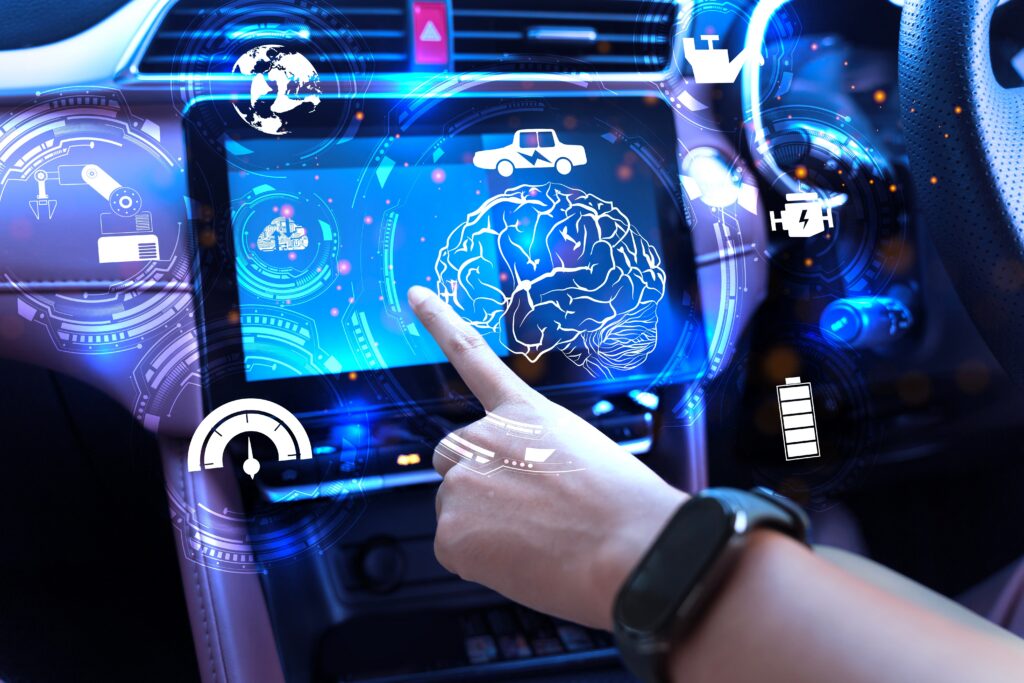
After a crash involving autopilot, many injured people feel stuck between two explanations. One side says the driver made a mistake. The other says the technology was never meant to drive on its own. For victims, that leaves a lot of unanswered questions.
Some autopilot crashes are not just about driver error. They involve technology that failed, reacted too late, or behaved in a way no reasonable driver could expect. When that happens, a different type of legal claim may apply.
That is where product liability lawsuits come in.
An autopilot product liability claim is not simple, and it is not available in every case. Still, for some injured victims, it may be the most direct path toward accountability and compensation.
What Is a Product Liability Claim in a Car Accident?
A product liability claim focuses on the safety of a product, not just the actions of a person. In a car accident, that means looking at whether the vehicle or one of its systems was defective and caused harm.
This is different from a standard auto accident claim, which usually centers on driver behavior like speed, distraction, or failure to yield. A product liability car accident case asks a different question: Was the vehicle safe to use as designed and marketed?
With advanced driver-assistance systems becoming the norm, that question comes up more often. Software, sensors, and automated features can all affect how a vehicle responds in real traffic. When those systems fail, the crash may be tied to a defective vehicle claim rather than a simple mistake behind the wheel.
Can Autopilot Be Considered a Defective Product?
Yes, under certain circumstances.
Software can qualify as a product when it plays a direct role in how a vehicle operates. Autopilot typically controls braking, steering, and speed decisions, which places responsibility on the manufacturer to ensure the system performs safely in real-world conditions.
Manufacturers often point to warnings and user agreements, but disclaimers do not automatically erase liability. If a system behaves in a way that puts users at risk, or if its limits are not communicated clearly, those warnings may not be enough.
Types of Product Liability Claims in Autopilot Accidents
Autopilot product liability claims usually fall into one of three categories.
Design Defects
A design defect means the system was unsafe from the start. This may involve poor decision-making logic, lack of safeguards, or failure to account for common driving situations like stopped traffic or construction zones. If the overall design creates risk even when used properly, liability may follow.
Manufacturing Defects
Manufacturing defects involve something going wrong during production. Faulty sensors, camera issues, or hardware failures can cause the system to misread the road or respond incorrectly. These cases focus on whether the specific vehicle or component failed to meet safety standards.
Failure to Warn
Failure to warn claims focus on communication. Marketing that overstates capabilities, unclear instructions, or downplayed limitations can mislead drivers. If people are encouraged to trust technology beyond what it can safely handle, that gap can form the basis of a claim.
Common Injuries in Autopilot Product Liability Cases
Crashes involving advanced vehicle technology often happen suddenly and with little warning. That can lead to serious and unexpected injuries.
Rear-end impacts and high-speed collisions frequently cause whiplash and soft-tissue injuries. The force can also damage the spine, leading to herniated discs, nerve pain, or lasting mobility problems.
Head injuries are another concern. Concussions and traumatic brain injuries may occur even without direct head impact, especially when the body is thrown forward or backward quickly.
Broken bones, joint injuries, and internal trauma are common in more severe crashes. In the most serious cases, Autopilot-related failures have been linked to fatal injuries, particularly when the system does not recognize hazards in time.
What Evidence Is Needed to Prove an Autopilot Product Liability Claim?
Autonomous cars store detailed data about how systems behave before and during a crash. Vehicle data and system logs can show whether autopilot was active and how it responded.
Event data recorders, traffic cameras, and dash footage can support that information. Crash reconstruction experts may be needed to explain how the technology contributed to the collision.
Software updates, recalls, and internal manufacturer documents can also play a role. Accessing this information often requires legal pressure and technical expertise.
Who Can Be Held Liable in an Autopilot Product Liability Case?
Product liability cases often involve more than one defendant. Depending on the facts, responsibility may extend beyond the driver. Liable parties may include:
- The vehicle manufacturer
- Companies that developed or supplied the software
- Sensor or component manufacturers
- Dealerships or distributors, depending on local law
Identifying every responsible party matters, especially in serious injury cases where long-term care is involved.
Challenges in Autopilot Product Liability Claims
Manufacturers often have strong defense teams and access to proprietary data. Disputes often arise over whether the driver should have intervened or whether the system performed as designed.
How Product Liability Claims Differ From Negligence Claims
Negligence claims focus on conduct. Product liability claims focus on safety.
The burden of proof is different, and comparative fault rules may still apply. In many cases, both claims are pursued together. A driver’s actions and a system defect can contribute to the same crash.
What to Do If You Were Injured in an Autopilot-Related Crash
After an autopilot crash, health comes first. Seek medical care right away, even if symptoms seem manageable.
Preserve the vehicle and any available data if possible. Avoid assumptions about fault, especially early on. Technology-related crashes often look different once the facts are fully developed.
How a Product Liability Lawyer Can Help Autopilot Accident Victims
Product liability lawyers focus on investigation and accountability. In Autopilot cases, that includes analyzing system behavior, working with experts, and dealing directly with manufacturers and insurers. These cases require time, resources, and experience. The right approach can make a real difference in how much compensation is recovered and how responsibility is assigned.
Our Experience Handling Complex Vehicle Defect and Autopilot Injury Claims
At Breit Biniazan, we handle serious injury cases involving complex liability and advanced technology. Our team has experience investigating vehicle defects, working with technical experts, and preparing cases that demand trial-level attention.
We have secured over $2 billion for our clients, and we understand how early involvement can protect evidence and preserve options. Every case is different, and outcomes depend on the facts, but preparation always matters.
Contact Our Firm for a Free Consultation
If you were injured in a crash involving autopilot technology, contact Breit Biniazan for a confidential case review. There are no upfront fees, and our firm focuses on serious injury cases involving complex vehicle defects and corporate defendants.
We are ready to listen and explain your options.