The April 22, 2026 incident at Catalyst Refiners in Nitro, West Virginia is a painful reminder of how fast an industrial job can turn deadly. Federal investigators say a hydrogen sulfide release at the facility killed two workers and injured five others. For workers and families, news like this brings up hard questions about safety, accountability, and what legal options may follow a fatal workplace accident.
While this incident happened in West Virginia, the concerns it raises reach far beyond one facility. Workers in Virginia also face serious risks in refineries, chemical plants, manufacturing sites, and other industrial settings. When a major release, fire, or explosion happens, families are often left searching for answers while trying to process a life-changing loss.
What Happened At Catalyst Refiners In West Virginia?
The Catalyst Refiners incident quickly drew attention because of both the loss of life and the dangerous nature of the release. As officials began responding, the focus turned to what happened inside the plant, what substance was involved, and whether the event could have been prevented.
The April 22, 2026 Chemical Release
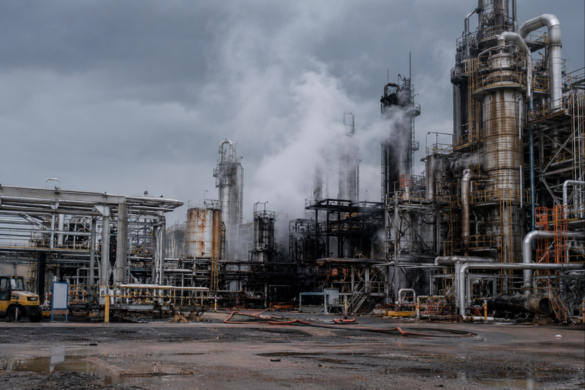
According to federal investigators, the release happened on the morning of April 22, 2026 at the Catalyst Refiners facility in Nitro. Officials have said the incident involved hydrogen sulfide and resulted in two worker deaths and multiple injuries.
This was not a minor event. A chemical release involving a toxic gas can become deadly in a matter of moments, especially in an industrial setting where workers may be in enclosed or highly hazardous areas. Incidents like this also show why chemical plant explosions and toxic releases often lead to close scrutiny from investigators.
What Officials Have Said About Hydrogen Sulfide And The Shutdown Work
Early reporting tied the incident to shutdown or decommissioning work, which can carry unique dangers. During that type of work, equipment may be opened, cleaned, dismantled, or taken offline. Residual chemicals can react in unexpected ways if planning or monitoring falls short.
That matters because industrial plants are often safest when hazards are fully identified and controlled before work begins. When that does not happen, workers may be exposed to chemicals, pressure changes, fire risks, or toxic gases with very little warning.
What Investigators Are Looking At
After a fatal industrial accident, one of the first major steps is the investigation. These inquiries can help explain not only what happened, but also whether known risks were ignored, whether safety procedures were followed, and whether additional parties may bear responsibility.
The CSB Investigation
The U.S. Chemical Safety Board opened an investigation into the Catalyst Refiners incident shortly after the release. OSHA also opened a fatality-catastrophe inspection.
These investigations matter because they may uncover details about plant operations, worker training, chemical handling, emergency response, and maintenance procedures. In a serious industrial case, the answers often do not come all at once. They may develop over time through witness interviews, records review, testing, and site analysis.
State And Federal Cleanup, Sampling, And Site Coordination
Alongside the safety investigation, state and federal agencies have also been involved in coordinating site response efforts. That includes evaluating materials left at the facility and planning for safe handling and removal.
This kind of response can become important later. Sampling results, site documentation, and agency observations may all help build a clearer picture of what conditions existed at the time of the event and how the aftermath was managed.
Why Industrial Accidents Still Cause Catastrophic Harm
For many people, industrial disasters seem like rare events. But for workers and families, the danger is real and ongoing. Serious plant incidents still happen, and when they do, the harm can be immediate and devastating.
Shutdown, Cleaning, And Decommissioning Work Can Be High Risk
Some of the most dangerous work in an industrial facility happens outside normal production. Shutdowns, maintenance, cleaning, and decommissioning tasks can create unstable conditions. Systems may be partially disassembled, chemical residues may still be present, and safety depends heavily on coordination and planning.
That is one reason a refinery explosion or chemical release can cause catastrophic injury so quickly. Workers may suffer burns, inhalation injuries, crush injuries, toxic exposure, or fatal harm before they have a chance to escape.
Known Hazards, Ignored Warnings, And Preventable Safety Failures
Not every industrial accident is preventable, but many investigations focus on whether warning signs were missed or known hazards were not properly controlled. In cases involving toxic chemicals, that may include questions about training, protective gear, monitoring systems, contractor oversight, or emergency procedures.
These are not abstract safety issues. They affect real people doing hard jobs under dangerous conditions. When a plant incident turns deadly, families often want to know not only what happened, but whether it should have happened at all.
When A Workplace Accident May Involve More Than Workers’ Compensation
After a serious jobsite injury or death, workers’ compensation is often part of the conversation. But in some industrial cases, it may not be the only legal issue involved. The facts may point to another company, another contractor, or another source of liability beyond the employer alone.
When A Third Party May Share Responsibility
A third party may be involved when an outside contractor, maintenance company, equipment manufacturer, chemical supplier, or another entity played a role in the incident. That can matter in a fatal industrial case because the legal options may be different when someone outside the direct employer relationship contributed to the harm.
In Virginia, these issues can arise in serious workplace injury cases involving explosions, equipment failures, toxic exposure, and other catastrophic events.
Why Evidence From OSHA Or Other Investigations Can Matter
Agency investigations do not automatically decide civil liability, but they can still be very important. Records from OSHA or other responding agencies may help show how the incident happened, what hazards were present, and whether there were prior concerns about conditions at the site.
That is one reason families often pay close attention to OSHA complaints and inspection history after a serious workplace event. The broader lesson is similar to what we see in discussions around the OSHA Fatal Four: known dangers can turn deadly when safety systems fail.
What Virginia Workers And Families Should Know After A Fatal Industrial Accident
When a worker dies in a plant release, explosion, or other jobsite event, families are often pulled into a confusing process. There may be questions about reporting, benefits, investigations, and whether additional claims may be available.
Virginia Workers’ Compensation Reporting And Claim Deadlines
Virginia has deadlines that may apply to workers’ compensation claims. In general, timing can be very important after a workplace injury or death. Families dealing with a fatal industrial event may also need to understand what records to preserve and what agencies are involved.
The Virginia Workers’ Compensation Commission handles workers’ compensation matters in the Commonwealth. Because deadlines and legal standards can affect a claim, these cases often require close attention to the facts and the timeline.
Wrongful Death And Third-Party Claims After A Jobsite Death
In some fatal workplace cases, there may be questions beyond workers’ compensation. A wrongful death or third-party claim may depend on who was involved, how the incident happened, and whether another company or person played a role in causing the death.
That is especially important in industrial settings where multiple contractors, vendors, and operators may be working in the same space. A jobsite death may raise more than one legal issue, even when the initial event happened at work.
How Breit Biniazan May Be Able To Help After A Serious Industrial Accident
A catastrophic industrial incident can leave families stunned. One moment, a loved one is doing dangerous but necessary work. Then next, everything has changed.
At Breit Biniazan, we know these cases are about more than reports and procedures. They are about families trying to understand what happened and whether the harm could have been prevented. Our team may be able to help workers and families evaluate whether a serious industrial incident may involve workers’ compensation issues, third-party liability, or both.
Speak With Breit Biniazan About A Workplace Explosion Or Fatal Jobsite Incident
If you are trying to understand what may come after a workplace explosion, toxic chemical release, or fatal industrial accident, Breit Biniazan may be able to help you better understand the legal issues involved and what options may be available.
Call us today at (855) 659-4457 or visit us online to start the process of getting the justice you and your family deserve.