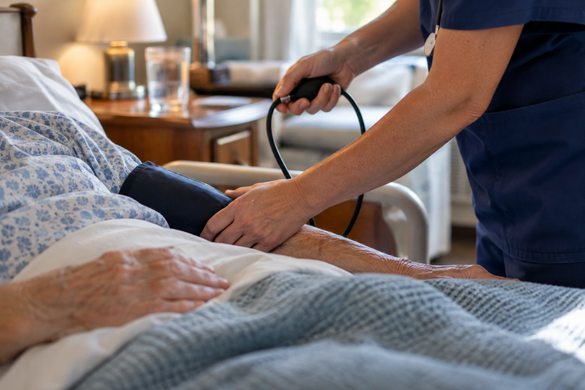
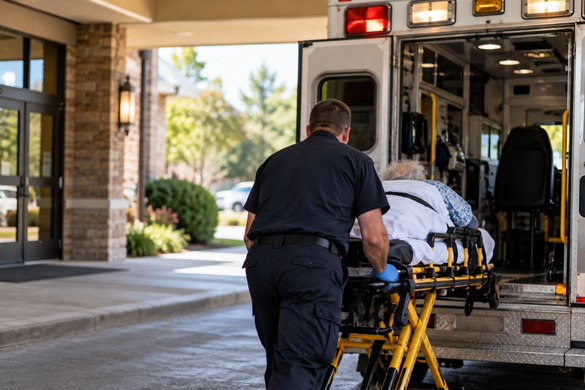
A nursing home can potentially be held liable for delayed medical treatment when staff fail to respond appropriately to a resident's medical needs and the delay causes additional harm. Residents often rely on nursing home staff to recognize changes in their health, communicate concerns to medical providers, and make sure ordered treatment is provided.
Delayed care can take many forms. Staff may wait too long to notify a doctor, fail to carry out new treatment orders, overlook worsening symptoms, or delay getting emergency care when a resident's condition becomes serious. Determining whether the nursing home is responsible usually requires looking closely at what staff knew, when they knew it, and what they did in response.
What Is Considered Delayed Medical Treatment in a Nursing Home?
Not every change in a resident's health requires emergency treatment. Nursing homes regularly care for residents with chronic illnesses, infections, pain, mobility problems, and other medical needs. The concern arises when a resident shows signs that require medical attention and the facility does not respond appropriately.
Delayed medical care may involve:
- Waiting too long to notify a doctor or other medical provider about new symptoms
- Failing to carry out treatment or monitoring orders
- Delaying diagnostic tests or follow-up care
- Failing to respond when medication causes a serious reaction
- Continuing ineffective treatment despite a resident's worsening condition
- Waiting too long to call emergency medical services
- Failing to arrange a hospital transfer when a resident needs a higher level of care
The appropriate response depends on the resident's condition, symptoms, medical orders, care plan, and wishes. The fact that a resident remained at the nursing home instead of going to a hospital does not automatically mean the facility did something wrong.
When Does Delayed Nursing Home Care Become Negligence?
A delay becomes a potential legal issue when the nursing home's response falls below the appropriate standard of care and causes harm. A resident who receives treatment several hours later than expected does not automatically have a negligence claim. The effect of those hours matters.
Staff Failed to Respond to a Significant Change
Nursing home employees are often the people observing a resident throughout the day. Changes in breathing, alertness, appetite, behavior, pain, vital signs, or physical condition can signal that further assessment is needed.
Federal nursing home regulations require facilities to consult with a resident's physician when there is a significant change in the resident's physical, mental, or psychosocial condition. A failure to report a serious change can delay decisions about testing, treatment, medication, or emergency care.
Medical Orders Were Not Followed Promptly
Sometimes the problem occurs after a medical provider has already evaluated the situation. A doctor or other practitioner may order medication, testing, monitoring, or another form of treatment, but nursing home staff may fail to carry out those instructions in a timely manner.
Delays involving prescribed drugs can also overlap with nursing home medication errors. Missing a medication, administering it at the wrong time, or failing to act on instructions after a medication reaction can create serious risks for medically vulnerable residents.
What Are Examples of Delayed Medical Care in a Nursing Home?
Delayed treatment cases can look very different depending on the resident's medical needs. What matters is whether warning signs were recognized and whether the response was reasonable under the circumstances.
A Resident's Condition Keeps Getting Worse
A resident may develop a fever, confusion, weakness, breathing problems, unusual pain, vomiting, or another significant change. Staff might initially monitor the problem, but continued deterioration can require further medical assessment.
A key question is what happened as the symptoms progressed. Records may show repeated abnormal findings across several hours or shifts before a medical provider was contacted or the treatment plan changed.
Staff Wait Too Long to Get Emergency Care
Some medical problems cannot be adequately treated inside a nursing home. Depending on the circumstances, staff may need to seek emergency evaluation or arrange a hospital transfer.
These situations often require a detailed timeline. Investigators may compare when serious symptoms appeared, when staff documented them, when a medical provider was contacted, what instructions were given, and when emergency services were finally called.
A Medication Problem Is Not Addressed
Residents may experience side effects, adverse reactions, or significant changes after starting or changing medication. Staff should monitor residents as required and communicate concerning developments to the appropriate medical provider.
Questions may arise when warning signs continue but the medication is still administered without appropriate follow-up, or when new medication orders are not implemented promptly. Medication administration records and nursing notes can be particularly useful in determining what happened.
How Do You Prove a Nursing Home Delayed Medical Treatment?
Medical records are often central to these cases because they can establish a detailed timeline. A family's recollection of what happened is valuable, but facility and hospital records may show exactly when symptoms were documented and when action was taken.
Records Can Show How Long Staff Waited
Relevant evidence may include:
- Nursing and progress notes
- Vital-sign records
- Physician or practitioner communications
- Treatment orders
- Medication administration records
- Laboratory and diagnostic test results
- Care plans
- Incident reports
- EMS records
- Emergency department records
- Hospital records
These documents can be compared to determine when the resident's condition first changed, how frequently staff reassessed the resident, when medical providers were notified, and when treatment began.
The Delay Must Have Caused or Worsened the Injury
Showing that treatment was delayed is only part of a potential claim. There must also be a connection between that delay and the harm suffered by the resident.
For example, medical evidence may show that earlier intervention could have prevented a condition from progressing, reduced the severity of an injury, or avoided some of the treatment that later became necessary. If the outcome would likely have been the same even with prompt care, establishing liability for the delay may be more difficult.
Who May Be Responsible for Delayed Nursing Home Treatment?
Responsibility depends on where the failure occurred. A nurse may not have reported worsening symptoms, staff may have failed to follow an order, or communication between shifts may have broken down. In other situations, facility policies, supervision, or staffing practices may have contributed to the delay.
Outside healthcare providers can also be involved in a resident's treatment. Determining responsibility requires examining who received information about the resident, who had responsibility for acting on it, and whether each person or organization responded appropriately. When failures by nursing home staff contribute to a resident's injury, the circumstances may support a broader nursing home abuse or neglect claim.
What Should I Do If I Suspect a Nursing Home Delayed Medical Care?
If your loved one currently needs urgent medical attention, their immediate medical needs should come first. Once the situation is stable, documenting what happened can help preserve information that may later be difficult to reconstruct.
Families can take several practical steps:
- Write down when symptoms first appeared and how they changed
- Record when concerns were reported to nursing home staff
- Note the names or positions of staff members involved
- Save relevant emails, text messages, photographs, and other communications
- Request appropriate nursing home and medical records
- Keep hospital discharge paperwork and follow-up instructions
Breit Biniazan can investigate the medical timeline, review the nursing home's response, and determine whether delayed treatment contributed to a resident's injuries. If your parent or another loved one suffered serious harm because necessary nursing home medical care was delayed, contact our team for a free, confidential case evaluation. You pay nothing unless we win your case.