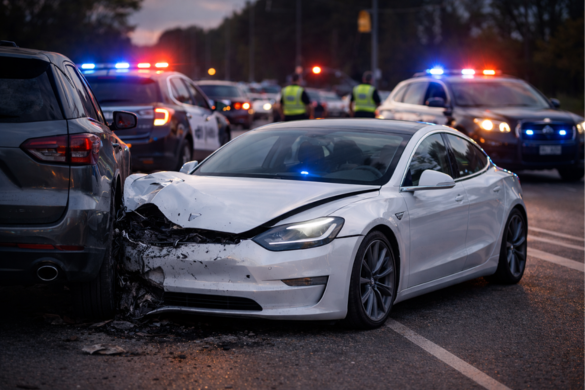
After a crash involving self-driving technology, most people assume the focus will be on the driver. Sometimes it is. But when a vehicle is steering, braking, or making decisions on its own, the manufacturer doesn’t automatically step out of the picture.
In certain situations, the company that designed or built the technology may be legally responsible for what happened. These cases fall under product liability, and they are very different from ordinary car accident claims.
When a Self-Driving Accident Becomes a Product Liability Case
A self-driving crash may involve product liability when the injury is tied to how the vehicle or its systems were designed, manufactured, or presented to drivers. That can include problems with:
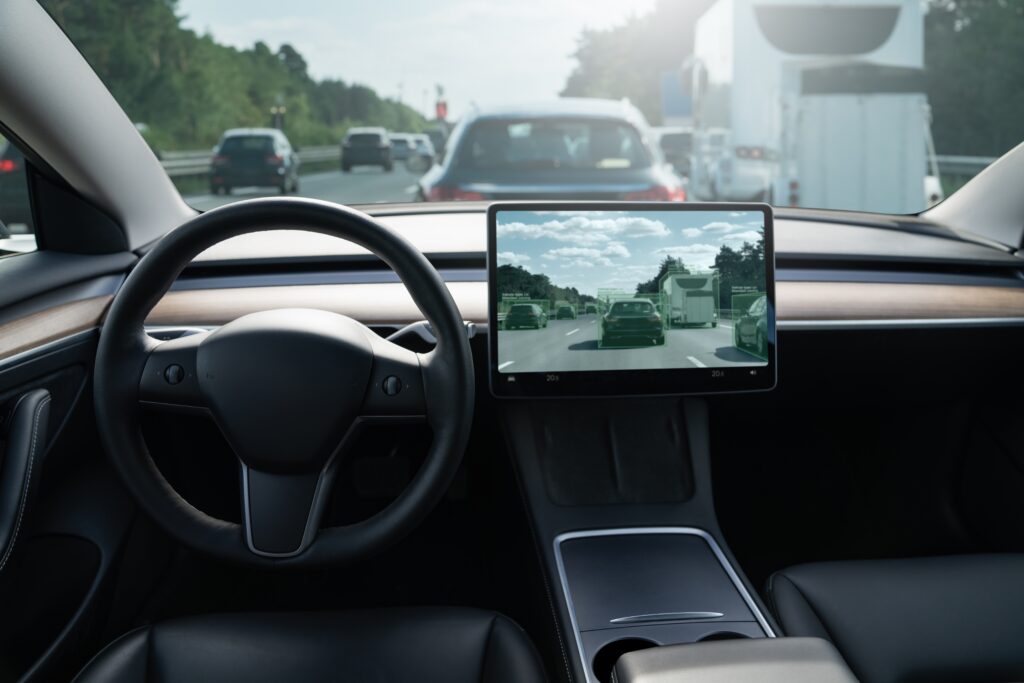
- The way sensors detect cars, people, or obstacles
- How software responds to traffic situations
- How quickly the system reacts to danger
- What drivers were told the system could safely do
Product liability is not about perfection. It’s about whether the technology was reasonably safe for real-world use.
Design Defects in Self-Driving Systems
Some cases are about design, not mistakes made during manufacturing. This means the system may work exactly as intended but can still create unsafe situations. Design-related issues can involve decisions like where sensors are placed, how the system prioritizes hazards, or how it handles common driving conditions such as glare, rain, or construction zones.
When a system predictably struggles in everyday situations, that raises questions about whether safety was given enough weight during development. These cases often focus on choices made long before the car ever reached the road.
Manufacturing Problems That Affect Self-Driving Performance
Other cases involve problems that occur during production, not design. These issues may affect only certain vehicles, even if the overall system is sound. Examples may include faulty sensors, improper installation of components, or hardware issues that interfere with how the system processes information.
Drivers usually have no way to detect these problems until something goes wrong. When a single vehicle or group of vehicles fails in a way others do not, manufacturing defects may become a key issue.
How Software Updates Can Play a Role in Self-Driving Crashes
Self-driving cars rely heavily on software, and that software changes over time. Updates can improve performance but they can also introduce new risks. Some crashes happen shortly after updates that affect:
- Braking behavior
- Steering response
- Object detection
- Driver alerts or warnings
Software does not age the way mechanical parts do, but changes to code can alter how a car behaves in subtle ways. In product liability cases, it’s often important to understand what version of the software was running at the time of the crash and what changed.
Marketing Claims and How Drivers Rely on Them
Another issue that comes up is how self-driving technology is described to drivers. Names, advertising, and demonstrations can shape expectations.
If drivers are led to believe a system can safely handle more than it actually can, reliance becomes understandable. Product liability cases often examine whether warnings were clear enough and whether limitations were easy to understand in real driving situations.
This isn’t about fine print. It’s about whether an average driver would realistically understand what the system can and cannot do.
Why Suing a Car Manufacturer is Different From a Normal Accident Claim
Claims against manufacturers follow a different path than claims against other drivers. These cases involve deeper investigation and more resistance. Manufacturers often respond by arguing that:
- The driver misused the system
- The technology worked as designed
- Warnings were provided
- Human behavior caused the crash
Sorting through those claims takes time and careful review of evidence, especially vehicle data that shows what the system was doing before impact.
Cases Involving Tesla and Other Self-Driving Vehicle Companies
Cases involving Tesla often get public attention, but the legal questions are the same across manufacturers. The focus is not on the brand; it’s on whether the technology performed safely and whether drivers were given a fair understanding of its limits.
Each case depends on the specific facts, the vehicles involved, and what went wrong in the moments leading up to the crash.
How Breit Biniazan Approaches Manufacturer Liability
At Breit Biniazan, self-driving accident cases are handled with the understanding that these situations affect real people, not just legal claims. Clients are often dealing with injuries, unanswered questions, and companies that move quickly to protect themselves.
With over $2 billion recovered, the firm has the experience and resources to take on manufacturers when self-driving technology may have played a role in a crash. That means digging into how the vehicle was designed, how the system behaved, and whether safety took a back seat to speed or convenience.
If you were injured in a crash involving autopilot or self-driving features and believe the technology may be part of the reason it happened, Breit Biniazan can help look beyond surface explanations and uncover what actually went wrong. Contact our team today to discuss your next steps.