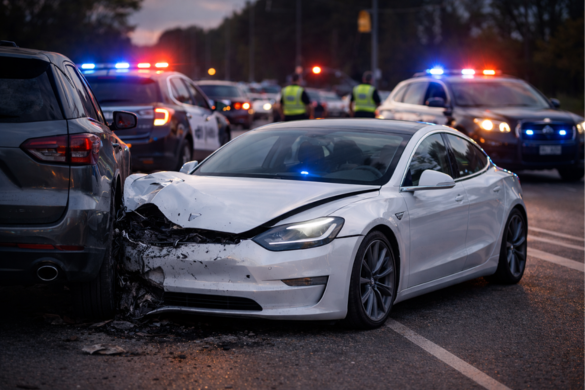
Rear-end crashes are some of the most common accidents on the road. When a Tesla is involved and autopilot is active, the legal questions multiply quickly.
Drivers, passengers, and people hit from behind often walk away confused. The car was braking on its own. The system was engaged. Tesla markets the technology as advanced and responsive. So who is actually responsible?
The answer depends on more than people expect. In many Tesla autopilot rear-end accidents, liability is far more layered than a standard crash. If you were injured, responsibility may not be as simple as pointing to the driver alone.
What Is Tesla Autopilot and How Does It Work?
Tesla autopilot is a driver-assist system, not a fully autonomous driving program. Even Tesla says the driver must stay alert, keep control of the vehicle, and be ready to intervene at any time.
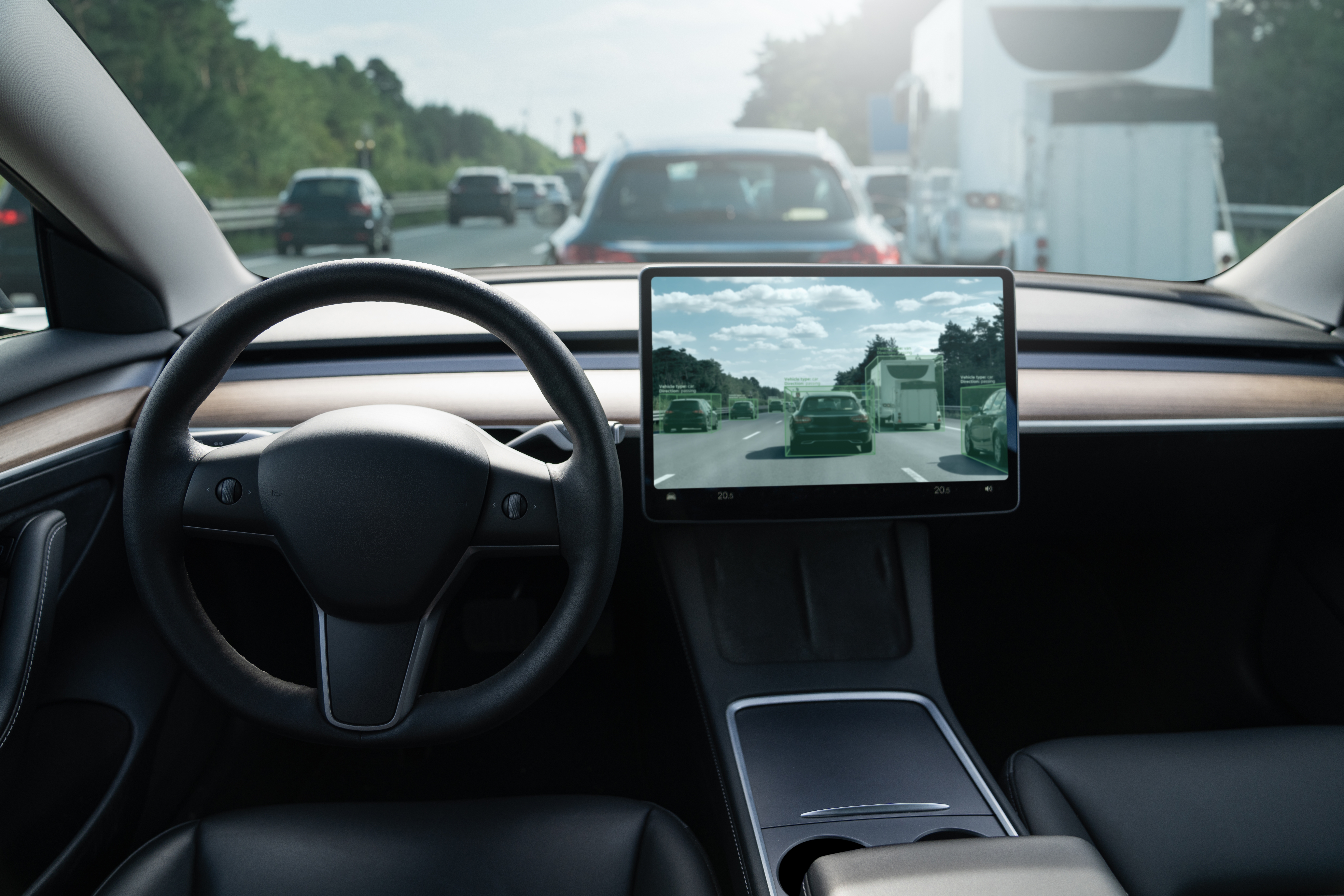
Autopilot and Tesla full self-driving modes rely on cameras, sensors, and software to help with speed, braking, and lane positioning. When conditions are ideal, the system can reduce driver workload. But when conditions change, the technology may struggle.
Many drivers misunderstand this balance. The name “autopilot” suggests independence. The reality is shared control, and that gap often plays a role in rear-end collisions.
How Rear-End Accidents Typically Happen With Autopilot
Tesla autopilot rear-end accidents tend to follow a few recurring patterns. These crashes are rarely random. In some cases, the vehicle brakes suddenly without an obvious reason. In others, it fails to slow down at all when traffic ahead has stopped. Drivers may rely on the system longer than they should, assuming it will react faster than a human would.
Certain traffic environments also increase risk. Stop-and-go congestion, sudden lane changes, construction zones, and poor visibility can all expose weaknesses in how autopilot interprets what’s happening ahead. When those failures line up with human overreliance, rear-end crashes can happen in an instant.
Common Injuries in Tesla Autopilot Rear-End Accidents
Rear-end collisions often look minor from the outside, but injuries may tell a different story. These crashes can cause lasting harm, even at lower speeds.
Whiplash and Neck Injuries
Whiplash is one of the most common rear-end accident injuries. The sudden forward-and-back motion strains muscles, ligaments, and soft tissue in the neck. Symptoms don’t always show up right away, which can complicate treatment and claims.
Back and Spinal Injuries
Rear-end crashes can damage the spine in ways that don’t heal easily. Herniated discs, nerve compression, and chronic back pain are common complaints. These injuries often interfere with work, sleep, and daily movement.
Head and Brain Injuries
Even without a direct head impact, the force of a rear-end collision can cause concussions or more serious traumatic brain injuries. Confusion, headaches, memory issues, and mood changes are all red flags after a car crash.
Broken Bones and Orthopedic Injuries
Wrists, arms, ribs, and legs often take the brunt of the impact. Bracing for a collision can lead to fractures that require surgery, physical therapy, or long recovery periods.
Psychological Injuries
Crashes involving advanced vehicle technology can leave people shaken long after the physical injuries heal. Anxiety, sleep issues, and symptoms associated with PTSD are common after sudden, unexpected collisions.
Who Can Be Liable in a Tesla Autopilot Rear-End Accident?
Liability depends on how the crash happened and what role the technology played.
The Tesla Driver
Autopilot does not replace driver responsibility. If the driver was distracted, inattentive, or relying on the system beyond its limits, fault may rest there even if autopilot was active.
Tesla (Product Liability Claims)
Tesla may be responsible when a rear-end accident stems from a system failure. This can include defective software, sensor issues, design problems, or failure to properly warn drivers about known limitations.
Other Drivers
In multi-vehicle crashes, another driver’s sudden stop or unsafe maneuver may contribute to the collision. These cases often involve shared responsibility across multiple parties.
Shared Liability
Many Tesla autopilot crashes involve comparative fault. Responsibility may be divided between the driver, Tesla, and others involved. Fault percentages directly affect how much compensation an injured person can recover.
Proving Liability in an Autopilot-Related Crash
Tesla vehicles store data that can show whether autopilot or full self-driving modes were active and how the vehicle responded before impact. Traffic cameras, dashcam footage, and witness accounts can support or contradict that data.
In serious cases, accident reconstruction experts and technical specialists are often needed to explain what went wrong and why.
What Compensation Can Injured Victims Recover?
A Tesla autopilot rear-end accident can disrupt nearly every part of a person’s life. Compensation may account for:
- Medical treatment, rehabilitation, and future care
- Lost income and reduced earning ability
- Physical pain and daily limitations
- Emotional distress and long-term effects
- Vehicle damage and related expenses
Why Tesla Autopilot Cases Are More Complex Than Normal Rear-End Accidents
These cases are not routine. They involve corporate defense teams, proprietary vehicle data, and disputes over how software should behave in real-world conditions. Federal and state regulations also play a role, especially as self-driving technology continues to evolve. Early legal action often makes the difference between clarity and confusion later on.
What to Do After a Tesla Autopilot Rear-End Accident
What you do in the days after a crash matters. Medical care should come first, even if symptoms seem minor. Vehicle data should be preserved whenever possible.
Avoid accepting explanations from Tesla or insurance companies at face value. Early narratives tend to favor whoever controls the information.
How a Personal Injury Lawyer Can Help
Tesla autopilot cases require more than standard crash handling. A personal injury lawyer familiar with these claims can investigate system involvement, identify every liable party, and deal directly with Tesla and insurance carriers.
Contact Our Firm for a Free Consultation
At Breit Biniazan, we handle serious injury cases involving complex liability and powerful defendants. Our team has secured over $2 billion for our clients, and we prepare cases with the potential for trial in mind from the start.
If you were injured in a Tesla autopilot rear-end accident, contact Breit Biniazan to discuss what happened and what your options may be. There are no upfront fees, and our team is ready to take on cases that others won’t.