When a pedestrian or cyclist is hit by a self-driving or driver-assist vehicle, the first question is often: “Who was actually in control of the car?”
These crashes raise different issues than traditional pedestrian or bicycle accidents. Responsibility may depend on what the vehicle’s system was doing, whether the driver was expected to intervene, and how the technology responded in the moments before impact.
Because self-driving systems change how vehicles detect and react to people outside the car, these cases are evaluated differently than standard traffic collisions.
How Self-Driving Cars Are Supposed to Detect Pedestrians and Cyclists
Most self-driving and driver-assist systems are built with one core goal, to detect hazards early and react faster than a human can. That includes recognizing people who are walking or riding bikes.
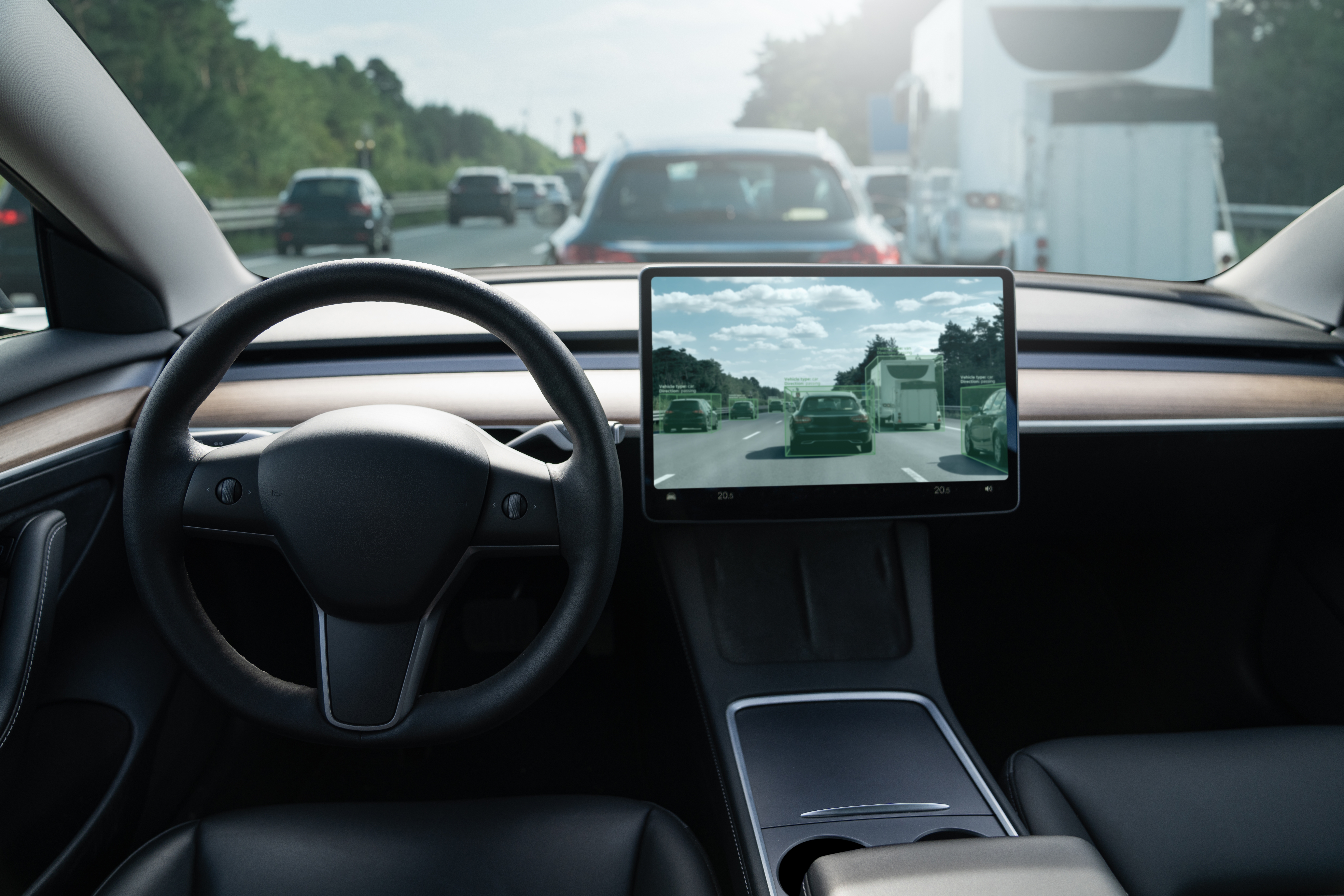
These systems rely on a combination of cameras, sensors, and software to identify movement, distance, and direction. When everything works the way it should, the vehicle should slow down or stop before impact.
The problem is that real streets aren’t controlled environments, lighting changes, rain and glare interfere with cameras, cyclists take up far less space than cars and pedestrians don’t always walk in straight lines. When detection fails in these everyday conditions, serious injuries can happen.
Why Injuries Are Often More Serious When Pedestrians or Cyclists Are Hit
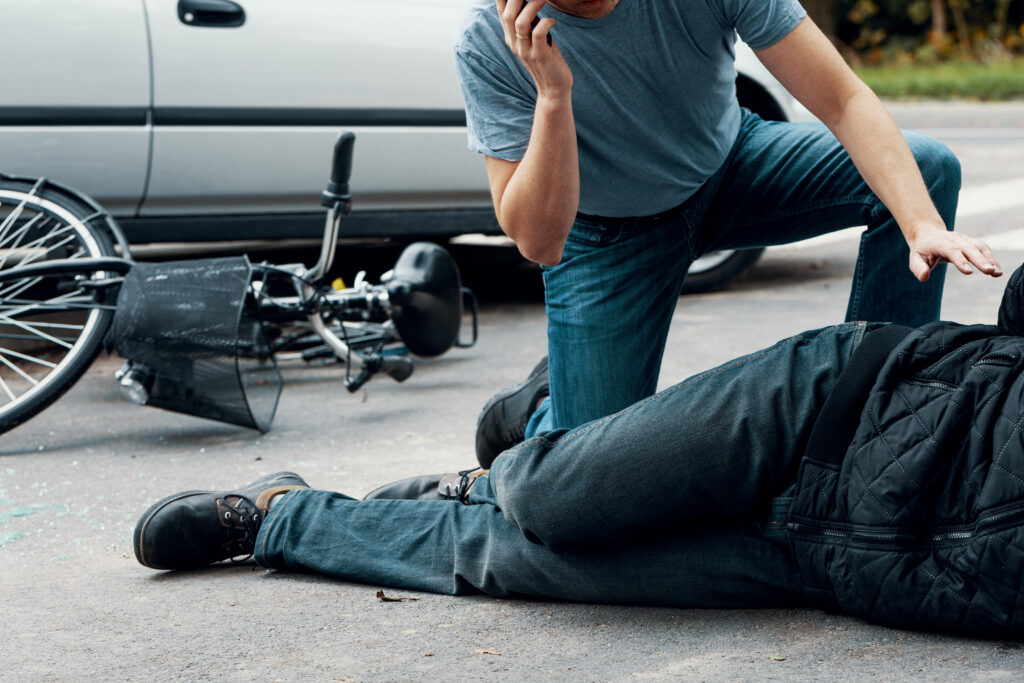
People outside the vehicle don’t have airbags, seatbelts, or steel frames around them. Even a low-speed impact can cause lasting harm.
In many self-driving pedestrian and cyclist crashes, injuries include broken bones, head injuries, spinal injuries, and deep soft-tissue damage. Some injuries may not fully show up until days later, when swelling and pain has set in.
Cyclists are especially vulnerable because they may be thrown from the bike or dragged after impact. Pedestrians often suffer secondary injuries from hitting the ground or nearby objects after being struck.
Who May Be Responsible When a Self-Driving Car Hits Someone
Responsibility in these crashes is rarely simple. More than one party may be involved, depending on how the crash happened. Potentially responsible parties can include:
In many cases, responsibility is shared. That’s common when technology and human decision-making overlap.
How Fault is Actually Evaluated in These Cases
Unlike traditional pedestrian accidents, fault isn’t based only on what witnesses saw or what the driver says. Self-driving vehicles generate data that can tell a more detailed story.
Investigators often look at how early the system detected a pedestrian or cyclist, whether alerts were issued to the driver, how the vehicle responded, and whether braking or steering occurred before impact. That information can help explain whether the system worked, whether the driver had time to react, or whether something else failed along the way.
Without that data, it becomes much harder to push back against simplified explanations.
Why These Claims Feel More Difficult Than Normal Pedestrian Accidents
Many injured pedestrians and cyclists feel like they’re at a disadvantage from the start. Insurance companies may focus on where the person was standing or riding. Manufacturers may try to avoid involvement altogether. Drivers may claim they trusted the system.
At the same time, the injured person is trying to recover physically and emotionally, often without clear answers.
What makes these cases especially challenging is that digital evidence doesn’t wait. Vehicle data can be overwritten, software can update, and important details can disappear quietly if no one acts early.
What Can Quietly Disappear After a Self-Driving Pedestrian Crash
Modern cars collect short windows of system data like what the vehicle detected, how it reacted, and whether the driver was alerted. That information isn’t always saved long-term. In some cases, it can be overwritten the next time the car is driven or updated. When that happens, important details can be lost, including:
- How early a pedestrian or cyclist was detected
- Whether the system hesitated or misread the situation
- How quickly braking or steering began
- Whether the driver was warned in time
Once that window closes, there may be no way to reconstruct exactly how the system performed before impact.
How Breit Biniazan Helps Injured Pedestrians and Cyclists
At Breit Biniazan, cases involving pedestrians and cyclists hit by self-driving or driver-assist vehicles are handled with urgency and care. These crashes often cause serious injuries and raise questions that deserve real answers.
With over $2 billion recovered, the firm has the experience and resources to look closely at how self-driving technology performed and whether it failed to protect someone who had no control over the situation.
If you were hit by a self-driving or driver-assist vehicle while walking or riding a bike, Breit Biniazan can help examine what happened and whether the technology involved should be held accountable. Give us a call at (855) 659-4457 or fill out our online contact form, and our team will reach out.