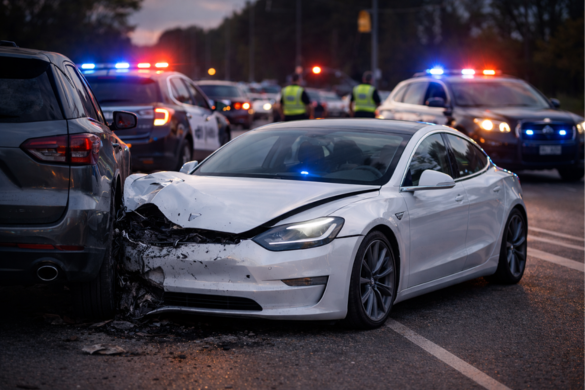
When a crash involves a self-driving or semi-autonomous car, the confusion often hits before the pain does. People expect answers right away, but instead they hear mixed messages. The driver says the car was in control. The insurance company says the driver should have stepped in. The technology company stays quiet.
If you were injured, all of that noise can make it hard to understand what actually matters.
Liability in these car crashes depends on how the system was being used, what the vehicle did in the moments before impact, and whether the driver was realistically able to respond. If you were injured in a self-driving car accident and looking for answers, contact Breit Biniazan at (855) 659-4457 to discuss your next steps.
Is The Driver Always Responsible When Autopilot is Turned On?
Not always, but the driver is rarely ignored. Most vehicles on the road today are not fully autonomous. Even when autopilot or a similar feature is active, drivers are usually expected to stay alert and be ready to take over at a moment's notice. That expectation plays a big role in how fault is evaluated after a crash.
Insurance companies often begin with the assumption that the driver should have reacted. This simply means the burden often falls on the injured person to show that something more was going on.
How Responsibility is Evaluated After an Autopilot Crash
There is no checklist that decides fault automatically. Instead, investigators look at a mix of human behavior and system behavior. That may include:
- Whether the car issued alerts before the crash
- How much time passed between warnings and impact
- If the driver touched the wheel or brakes
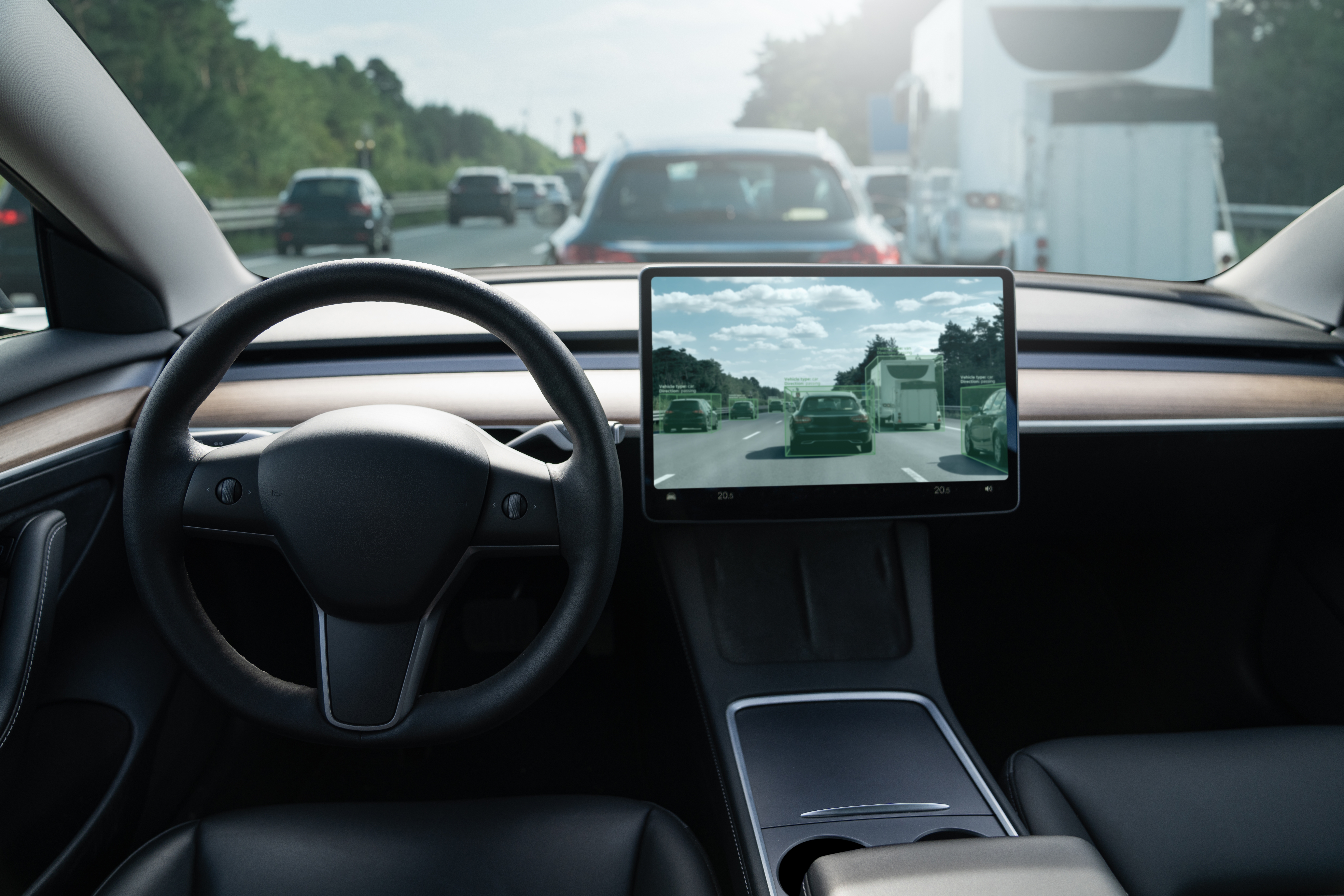
- What the system detected or failed to detect
- How the vehicle responded when conditions changed
Sometimes this information supports the driver’s account. Other times, it raises questions that were not obvious at the scene.
When Driver Behavior Becomes the Main Focus
In many cases, insurers focus heavily on what the driver was doing. That’s because it’s easier to argue human error than technology failure. Drivers are more likely to be blamed when:
- Warnings were ignored or missed
- Hands were off the wheel for long stretches
- The system was used in areas it wasn’t designed for
- The driver relied on the technology too much
Even when autopilot is on, these details can shift a large share of responsibility back onto the driver.
Situations Where the Technology Itself May Be Responsible
There are also crashes where the system’s performance cannot be ignored. This may happen when the vehicle:
- Fails to recognize another car, pedestrian, or cyclist
- Reacts too late to changing traffic
- Makes an unexpected steering or braking move
- Behaves differently after a software update
- Gives drivers an unclear sense of its limits
In these cases, responsibility may extend beyond the driver and involve the company that designed or maintained the system. These claims are more complex, but they are becoming a common issue especially as this technology evolves.
Why Self-Driving Car Accident Cases Feel Overwhelming
People injured in these crashes often feel stuck between powerful interests. On one side are insurance companies pushing for a quick conclusion. On the other are technology companies with teams dedicated to protecting their systems. At the same time, the injured person is dealing with medical care, lost income, and uncertainty about the future.
Adding to that stress is the fact that self-driving vehicles store digital data that can quietly disappear. Some information may be overwritten if it is not preserved early, making it harder to understand what the system actually did.
Why Fault is Often Disputed in Autopilot Accidents
Unlike traditional crashes, there is rarely a clear mistake that everyone agrees on. Instead, there are questions like:
- Did the system give enough warning?
- Did the driver have time to react?
- Was the technology used as intended?
- Did the car respond the way a reasonable person would expect?
These questions don’t have quick answers, and that’s why fault is often contested.
How Breit Biniazan Approaches These Cases
At Breit Biniazan, self-driving accident cases are approached with patience and care. These are not situations where rushing helps anyone, especially the injured person.
With over $2 billion recovered, the firm has handled complex cases where responsibility was not obvious and evidence mattered tremendously. The focus is on understanding what really happened, not accepting the first explanation offered. That means looking closely at both the human and technology sides of the crash and making sure important details are not overlooked.
When autopilot or driver-assist technology is involved, clarity matters. For people dealing with injuries, having someone willing to slow things down and look carefully can make a real difference. Contact Breit Biniazan today to discuss your legal options after an autonomous car crash.