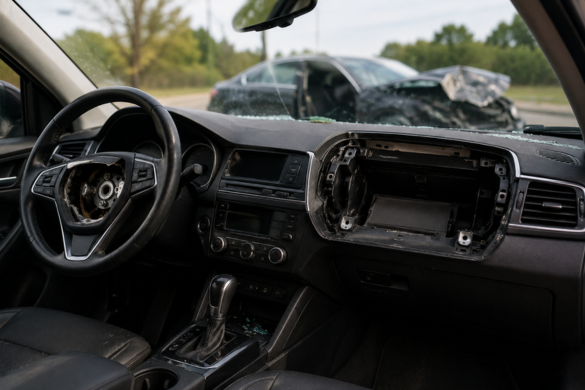
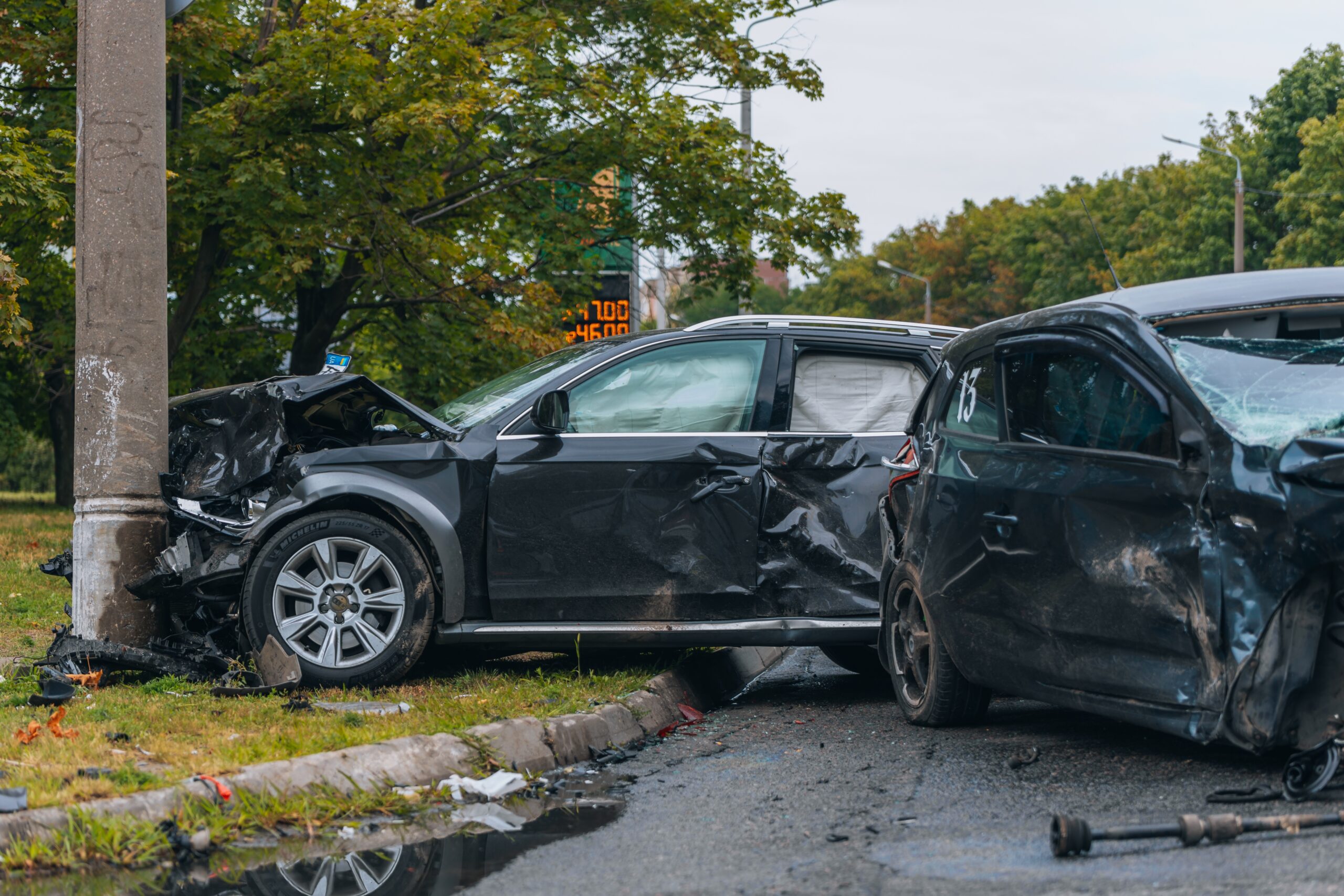
After a serious collision, many people assume the airbags should have deployed. When they don't, the absence of that protection often raises more questions than the crash itself.
Airbags are designed to reduce the risk of severe injuries during certain types of collisions, but they are not programmed to deploy in every accident. A vehicle can sustain significant damage without triggering the airbag system. At the same time, airbags can fail because of defective sensors, faulty components, electrical problems, or flaws within the safety system itself. The challenge is figuring out whether the non-deployment was expected or whether the airbag system failed when it was needed most.
Why Didn't My Airbag Deploy?
Airbag systems rely on a network of sensors and electronic components that constantly monitor the forces acting on a vehicle. When those sensors detect a collision that meets specific deployment criteria, they send a signal to activate the airbags.
Several factors affect whether deployment occurs, including crash severity, impact angle, vehicle speed, and the location of the collision. A side impact may trigger different airbags than a frontal collision. A glancing impact may not activate the system at all.
There are also situations where the system itself fails. A damaged sensor, defective airbag module, wiring problem, software issue, or manufacturing defect can interfere with the vehicle's ability to recognize a qualifying collision. From the driver's perspective, the result looks the same: the airbag never deploys.
When Airbag Failure May Point to a Defective Vehicle
Not every airbag non-deployment involves a defective product. Some crashes simply fall outside the conditions required for activation.
Investigators often look for evidence involving:
- Airbag sensor malfunctions
- Defective airbag control modules
- Electrical system failures
- Faulty wiring or connectors
- Manufacturing defects in airbag components
- Prior recalls involving the vehicle or airbag system
- Similar failures reported in the same vehicle model
In some cases, the problem is isolated to a specific component. In others, the issue may affect an entire product line or vehicle platform. A sensor failure inside the vehicle raises different questions than a manufacturing defect in the airbag module itself. One may point toward the automaker, while the other may involve the company that designed or supplied the component.
Can an Airbag Failure Result in a Product Liability Claim?
It can.
Product liability cases involving airbags typically focus on whether the safety system performed the way consumers were entitled to expect. If a defect prevented the airbag from deploying during a qualifying collision, the companies responsible for designing, manufacturing, or supplying the system may face liability for the resulting injuries.
Some claims involve defects in the overall design of the airbag system. Others focus on manufacturing problems that affect specific components. There are also situations where a manufacturer knew about a safety issue but failed to provide adequate warnings or corrective action. The focus is not the accident itself. The focus is whether the product added to the harm.
Common Injuries Associated With Airbag Failures
Airbags are designed to reduce the force experienced by vehicle occupants during a collision. When they fail to deploy, occupants may strike the steering wheel, dashboard, windshield, side structures, or other interior components with significantly greater force.
As a result, airbag failure cases often involve serious injuries, including traumatic brain injuries, facial fractures, eye injuries, neck injuries, spinal cord injuries, broken bones, and internal organ damage. In high-speed crashes, the absence of airbag protection can substantially increase the severity of injuries that occur.
For some victims, the effects last far beyond the initial emergency room visit. Ongoing medical treatment, rehabilitation, lost income, and permanent impairments can create challenges that continue for years after the collision.
How Investigators Determine Whether an Airbag Was Defective
Modern vehicles record far more information than most drivers realize. Many vehicles contain event data recorders that capture information about vehicle speed, braking activity, seat belt usage, crash severity, and airbag system performance in the moments leading up to a collision. That data can help establish whether the airbag system received a deployment command, whether sensors detected the impact, and how the vehicle responded during the crash.
Investigators may also examine the vehicle itself, review recall history, inspect damaged components, and compare the system's performance against manufacturer specifications. In some cases, engineers identify failures that are impossible to see from photographs alone. The crash report may explain how the collision occurred. The vehicle often explains why the airbag did not deploy.
How Breit Biniazan Investigates Airbag Failure Claims
At Breit Biniazan, we approach airbag failure cases with the understanding that the crash itself is only part of the story. Our investigation focuses on whether the vehicle's safety systems performed the way they were intended to perform and whether a defect contributed to the injuries suffered by the occupants.
That process may involve reviewing crash data, preserving physical evidence, working with engineers and product experts, and examining whether manufacturers were aware of similar problems before the collision occurred.
Vehicle manufacturers spend years designing, testing, and marketing their safety systems. When those systems fail during a serious crash, a thorough investigation is often necessary to determine whether the failure was unavoidable or the result of a product defect that should never have reached consumers.
A Crash May Be Over in Seconds. The Investigation Often Starts There.
An airbag that fails to deploy does not automatically mean a defect existed. At the same time, a serious collision should not end with assumptions about what happened inside the vehicle's safety system.
Vehicle data, component inspections, engineering analysis, and recall history often reveal information that is impossible to determine from the crash scene alone. When evidence points to a defective airbag system, identifying the cause of the failure is often the first step toward holding the responsible companies accountable.