Losing a loved one in a maritime accident is overwhelming. Families are left grieving while facing funeral costs, lost income, and unanswered questions about what went wrong.
If your family member died due to negligence at sea, you may have the right to pursue a maritime wrongful death claim. Breit Biniazan represents families in complex maritime cases involving fatal vessel accidents, offshore incidents, and unsafe working conditions.
Contact Breit Biniazan to discuss your legal options in a free consultation.
What Is Maritime Wrongful Death?
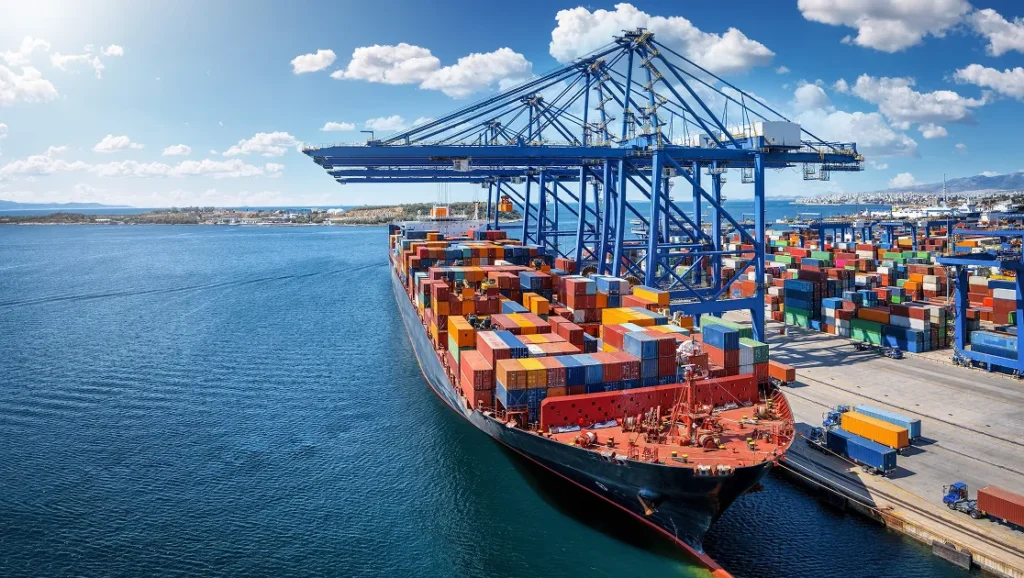
A maritime wrongful death claim arises when someone dies due to negligence or unsafe conditions on navigable waters. These cases often involve:
- Commercial vessels
- Cargo ships
- Oil rigs and offshore platforms
- Fishing boats
- Cruise ships
- Dock and harbor operations
Unlike standard wrongful death cases, maritime claims are governed by federal laws such as the Jones Act and the Death on the High Seas Act (DOHSA). These laws have specific rules about who can file a claim and what damages are available.
Common Causes of Fatal Maritime Accidents
Maritime environments present unique dangers. Fatal accidents may result from:
- Equipment failure
- Unseaworthy vessels
- Explosions or fires
- Collisions at sea
- Falls overboard
- Electrocution
- Exposure to hazardous materials
- Lack of proper safety procedures
In many cases, these deaths could have been prevented if proper safety standards were followed.
Types of Maritime Wrongful Death
Understanding the different types of maritime wrongful death can not only provide a sense of awareness but also help with potential legal action. There are several categories of maritime wrongful death, such as:
Each category carries its own unique set of risks and can result from a variety of situations such as explosions, collisions, hazardous substance exposure, and occupational accidents. It is important to note that while many of these incidents can be preventable, they do unfortunately occur.
Maritime Wrongful Death Laws
Maritime wrongful death claims are often governed by federal statutes rather than state law.
The Jones Act allows certain maritime workers and their families to pursue claims when negligence by an employer or crew member causes injury or death.
The Death on the High Seas Act (DOHSA) applies to deaths occurring more than three nautical miles from shore and limits certain types of damages.
Because these laws are highly technical, early legal guidance is important to protect your claim.
Who Can File a Maritime Wrongful Death Claim?
Typically, surviving spouses, children, and sometimes dependent family members may bring a claim. The specific rules depend on which maritime statute applies.
Determining eligibility and filing deadlines requires a detailed review of the circumstances surrounding the accident.
What Damages Are Available?
Maritime wrongful death damages aim to provide financial relief to the surviving family members of the deceased. These damages may include compensation for funeral expenses, loss of economic support, loss of household services, and emotional distress.
It is important to seek the counsel of a knowledgeable maritime attorney who can help navigate the complex laws surrounding these types of cases and increase the chances that the family receives the proper compensation they deserve. While no amount of money can bring back a loved one, receiving just compensation can provide financial support during such a difficult time.
Speak With a Maritime Wrongful Death Attorney
No amount of compensation replaces a loved one. But holding negligent parties accountable can provide financial stability and answers during a difficult time.
Maritime wrongful death cases involve complex federal laws and strict deadlines. The team at Breit Biniazan has experience handling serious maritime injury and fatal accident claims.
Your consultation is free, and there are no fees unless we recover compensation.
Contact Breit Biniazan today to discuss your maritime wrongful death case.