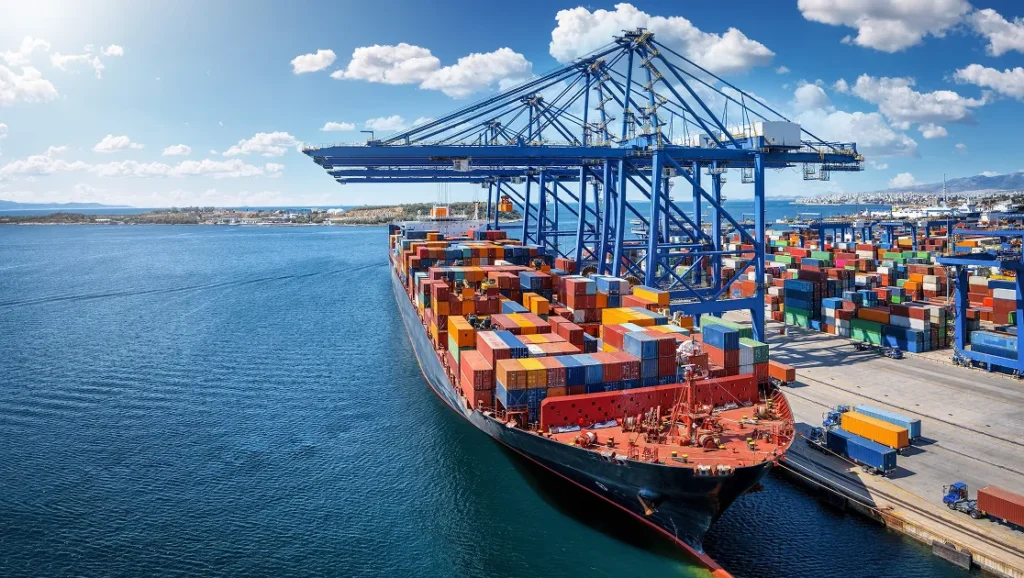
Taking a cruise should be a memorable adventure, not a traumatic experience. Unfortunately, accidents and injuries can happen anywhere — even on cruise ships, ferries, and private vessels. When you’re injured at sea, the legal process can be tricky. Maritime law, international treaties, and the location of the vessel all play important roles in determining the liabilities of cruise lines or vessel operators.
If you’ve been injured on the water, our maritime passenger injury lawyers can fight for the compensation you deserve. Reach out to Breit Biniazan today to discuss your legal options.
How an Experienced Maritime Attorney Can Help
When you've been injured, our maritime injury attorneys at Breit Biniazan are ready to help. We'll investigate what happened, figure out who is responsible, and collect all the evidence needed to build a strong case. We'll also explain the tricky rules that come with your ticket, tell you about important deadlines, and manage all the negotiations with the cruise company. While many cases are settled out of court, our attorneys have the skills to represent you in a courtroom to fight for the compensation you deserve.
Common Maritime Passenger Injury Incidents
Many injuries happen to passengers on cruise ships, ferries, and private boats. These often result from slips and falls on wet or uneven surfaces. Other common problems include fires, equipment breakdowns, medical mistakes, and security issues. Understanding these risks shows why safety and legal guidance are important for injured passengers.
Falls, Slips, and Unsafe Walking Surfaces
Slippery decks, floors, and gangways are among the most common causes of passenger injuries. Many accidents result from:
- Slippery surfaces from poor cleaning routines, rain, or pool water
- Inadequate maintenance leading to unsafe walking areas
- Poor lighting in hallways, stairwells, or outdoor areas
- Overflowing pools/hot tubs making adjacent surfaces hazardous
- Unmaintained elevators, escalators, or handrails increasing trip and fall risks
Shipboard Fires, Mechanical Failures, and Safety Violations
Passengers may need to evacuate the ship under chaotic or dangerous conditions, such as:
- Fires: Can be caused by electrical faults, kitchen incidents, or improper storage of flammable materials. Fires pose a serious threat in confined spaces, endangering hundreds or thousands of passengers.
- Mechanical Failures: Includes faulty engines, loss of steering, or broken safety equipment. This can leave a vessel stranded or vulnerable, delaying rescue or evacuation.
- Violations of Safety Regulations: Inadequate fire suppression systems, blocked or insufficient emergency exits, lack of enough lifeboats or life-saving appliances, failure to maintain safety equipment and systems properly.
Medical Negligence Aboard Ships
When medical emergencies happen at sea, prompt, competent care is essential. Medical negligence can result from:
- Failing to respond quickly to life-threatening issues (heart attacks, strokes, internal injuries)
- Misdiagnosis or delayed diagnosis
- Improper or dangerous medication
- Refusal or failure to provide necessary treatment
- Inadequate patient monitoring or follow-up
- Worsening an existing condition through negligence
Assaults or Inadequate Security
Tragically, lack of security can lead to incidents such as:
- Violent crimes including sexual or physical assault
- Child molestation
- Missing persons
- Theft of valuables
- Crimes fueled by alcohol, including serving minors
Legal Remedies for Injured Passengers
If you are injured while traveling on a cruise ship, ferry, or private vessel, maritime law provides specific legal remedies to help you seek compensation. These are designed to hold cruise lines and vessel operators accountable when their negligence or failure to maintain safe conditions causes passenger injuries. Understanding your rights and the types of claims you can pursue is a critical first step toward seeking justice and financial recovery for your losses.
When Cruise Lines or Operators Are Liable
Cruise lines and vessel operators must keep passengers safe and warn them about any known dangers. If they don’t they can be held responsible for injuries. Potential dangers like slippery floors, broken equipment, not enough staff, or poor medical services can lead to claims. Knowing this can help injured passengers understand if they have a personal injury case.
Failure to Warn of Hazards
Cruise lines must warn passengers about known dangers, such as wet decks, uneven surfaces, poorly maintained stairs, or inadequate lighting. Failure to provide warnings or address hazards can make operators liable.
Unsafe Vessel Conditions
Unseaworthiness of a vessel may include:
- Sinking
- Poor maintenance or understaffing
- Defective equipment (winches, cables, hydraulics)
- Slippery or cluttered decks
- Malfunctioning ladders, emergency systems, or safety gear
Lack of Proper Medical Care Onboard
Ships must ensure their medical facilities are adequately staffed and equipped. Inadequate medical care—delays, errors, or insufficient training—can greatly worsen a passenger’s medical outcome.
Maritime Laws That May Apply
Maritime laws allow injured passengers to recover both economic damages, like medical bills and lost wages, and noneconomic damages for pain and suffering. If the injury was a result of extreme negligence or intentional wrongdoing, you might also be able to pursue a claim for emotional distress or punitive damages. However, passengers must be aware of strict time limits to file a claim, often as little as one year as specified in the cruise ticket, and must provide timely notice to the cruise line.
General Maritime Law
General maritime law applies to injuries that occur on navigable waters, such as on cruise ships, ferries, and other vessels. Under this law, passengers can file claims based on negligence if they can show that the shipowner or operator owed them a duty of reasonable care, breached that duty, and caused their injuries. This duty requires shipowners to ensure safe conditions but does not guarantee absolute safety. Unlike crew members, passengers usually cannot claim breach of contract for safe passage or strict liability claims.
Death on the High Seas Act (DOHSA)
The Death on the High Seas Act (DOHSA) is a federal law that provides compensation to the surviving family members of individuals who lost their lives due to wrongful acts, negligence, or accidents occurring beyond three nautical miles from the U.S. shore on the open seas.
If a passenger passes away because of an accident or negligence while at sea, DOHSA allows their family to seek damages for losses such as funeral expenses, loss of financial support, and emotional suffering related to their loved one’s death.
Lasting Impacts of a Passenger Injury at Sea
- Medical Bills and Continued Care: Severe injuries often require prolonged or lifelong medical treatment, medications, surgeries, physical therapy, and rehabilitation.
- Loss of Enjoyment, Pain, and Trauma: Physical pain, emotional trauma, and lost vacation enjoyment can have a profound and lasting effect after such events.
- Long-Term Disability or Reduced Mobility: Permanent disabilities may affect your ability to work, travel, or live independently, and require significant lifestyle adjustments.
Why Choose Breit Biniazan?
When you suffer an injury at sea, you need advocates who understand both the legal system and the personal impact of a maritime injury. At Breit Biniazan, we offer:
- Decades of experience handling high-stakes maritime injury cases
- Deep understanding of international statutes, carrier liability, and venue rules
- Compassionate, personalized attention to your story and needs
Personalized Guidance Every Step of the Way
From your first call to the conclusion of your case, Breit Biniazan stands by your side—offering clear answers, thorough communication, and relentless advocacy for your best outcome.
Contact Breit Biniazan Today for a Free Consultation
If you or a loved one suffered injury on a cruise ship, ferry, or private vessel, don’t wait. Reach out for a free, confidential case review and let experienced maritime lawyers help you seek justice and fair compensation. Our dedicated legal team at Breit Biniazan is here to help.