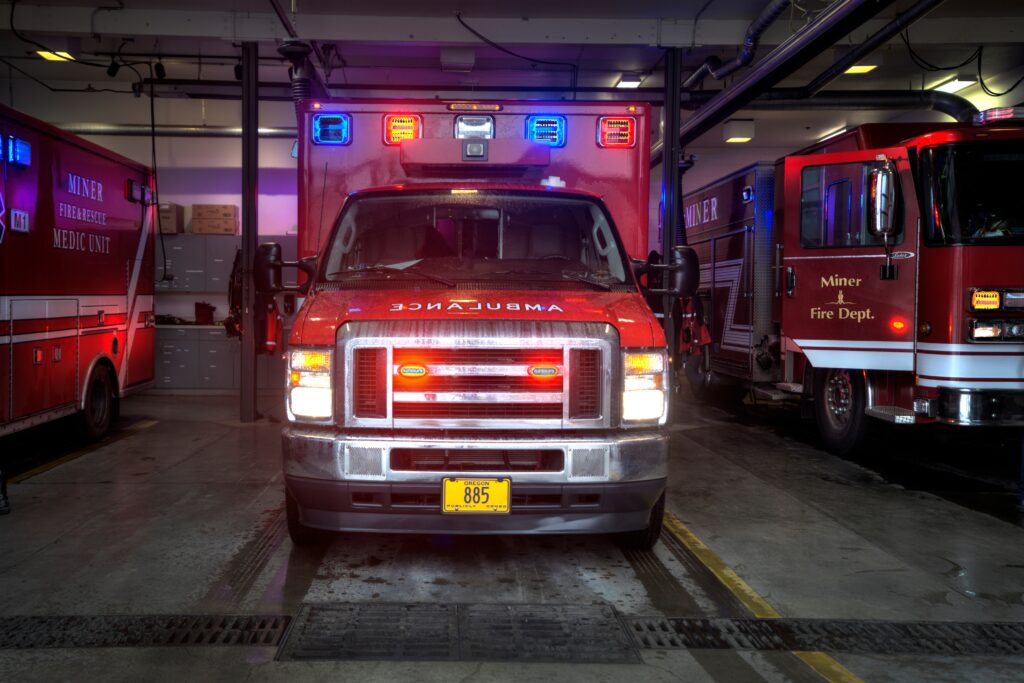
When a patient enters an ambulance or medical transport vehicle, they are often seriously ill, injured, disabled, or otherwise unable to protect themselves. Families trust the transport team to move their loved one safely, monitor their condition, and reach the right facility without needless delay.
When that trust is broken, the harm can be severe. A careless driving decision, an equipment failure, an unsafe transfer, or a gap in patient care can lead to a catastrophic injury, permanent brain damage, lifelong complications, or death.
At Breit Biniazan, we represent injured patients and grieving families throughout Virginia who are facing the life-changing consequences of negligence. When a medical transport failure contributes to a serious injury or death, our team investigates what happened and fights for clear answers and full accountability.
What Is Medical Transport Negligence?
Medical transport negligence occurs when a company, driver, emergency medical provider, dispatcher, or other responsible party fails to use reasonable care while moving a patient. These cases reach far beyond ambulance crashes. A patient can be seriously harmed even when the vehicle never collides with anything, through unsafe driving, poor route planning, delayed transportation, inadequate monitoring, or mistakes made while loading and unloading.
Medical transport includes:
- Emergency ambulance transportation
- Hospital-to-hospital transfers
- Non-emergency medical transportation (NEMT)
- Wheelchair and stretcher vans
- Transfers between nursing facilities and hospitals
- Pediatric and neonatal transport
- Rides to dialysis, rehabilitation, or medical appointments
The legal claim that applies depends on what went wrong and who was responsible. Some cases center on vehicle negligence. Others raise questions about medical care, company policies, equipment, or staffing, and many involve several of these issues at once.
Common Examples of Negligent Medical Transport
Every case is different, and not every bad outcome is caused by negligence. A careful investigation is often needed to determine whether a preventable failure contributed to a patient's injuries. Examples of medical transport negligence include:
- Distracted, reckless, or careless driving
- Taking an unsafe or incorrect route
- Avoidable delays in reaching a hospital
- Failing to follow the planned transport route
- Improper monitoring of a patient's breathing or vital signs
- Failure to respond to a change in the patient's condition
- Unsafe loading or unloading
- Dropping a patient or allowing a stretcher to tip
- Failing to secure a patient, stretcher, wheelchair, or equipment
- Defective or poorly maintained lifts, ramps, straps, or restraints
- Inadequate staffing or training
- Poor communication among drivers, medical crews, hospitals, and dispatch
- Improper transfers between vehicles
- Patient abandonment
- Failure to arrange replacement transportation after a breakdown or crash
Virginia's EMS regulations govern many parts of ambulance transportation. Under the Virginia EMS Regulations, patients on a stretcher must generally be secured with at least three straps unless their condition makes that unsafe, and loose equipment and supplies in the patient compartment must be stored or secured when not in use. The rules also require that a patient be attended in the patient compartment during transport by a qualified attendant-in-charge. A violation of a safety rule does not automatically establish a civil claim, but it can become an important part of an investigation into how a patient was hurt.
Emergency Ambulance Negligence
Emergency ambulance crews work under intense pressure, often moving quickly while treating a patient whose condition is changing by the minute. That urgency does not remove the need for safe planning, communication, and transportation. Drivers and medical personnel must still account for the patient's condition, roadway hazards, vehicle safety, available equipment, and the level of care the trip requires.
Under standards overseen by the Virginia Office of EMS, a ground ambulance transport generally requires at least two people. The operator must hold a valid driver's permit and have completed approved emergency vehicle operator training or an equivalent, and the second crew member must be an attendant-in-charge who meets the requirements for that type of transport. A serious ambulance negligence case can involve both transportation failures and patient-care failures at the same time, which is one reason these claims are often more complex than a standard car accident case.
Hospital-to-Hospital Transfer Failures
Hospital-to-hospital transfers usually involve patients who need treatment the first facility cannot provide. During the trip, a patient may depend on a ventilator, oxygen, medication, cardiac monitoring, or other life-sustaining support, so an avoidable delay or disruption can be especially dangerous for someone in critical condition.
Breit Biniazan has filed a lawsuit involving a child who suffered catastrophic injuries following an interrupted hospital-to-hospital ambulance transfer. The lawsuit alleges that the ambulance left its planned route, entered a restricted low-clearance area, struck an overhead structure, and could not complete the trip, forcing the child to be moved to a second ambulance before transportation could continue. You can read more in our report on the ambulance negligence lawsuit.
The allegations in that case illustrate how medical transport negligence can involve far more than a traditional roadway crash. Route failures, communication breakdowns, delayed replacement transport, and unsafe operational decisions can each endanger a critically ill patient. Every case must be judged on its own facts, but when a preventable transport failure interrupts life-sustaining care, families deserve a full and honest investigation.
Non-Emergency Medical Transportation Negligence
Non-emergency medical transportation, or NEMT, helps people reach medical appointments and facilities when they cannot travel safely on their own. Passengers may rely on wheelchairs, walkers, oxygen equipment, or stretchers. Many are older adults or people with serious health conditions, and some have physical or cognitive disabilities that make them dependent on the driver and the transport company.
Common NEMT incidents include:
- Wheelchairs that are not properly secured
- Lift or ramp failures
- Falls while entering or leaving the vehicle
- Sudden stops that throw a passenger from a seat or wheelchair
- Patients left alone in unsafe weather
- Drivers failing to provide promised assistance
- Crashes involving medical vans
- Unsafe positioning during a long trip
These cases often involve several companies. A transportation broker may arrange the ride, a separate company may own the vehicle, and a contracted driver may provide the actual transportation, while a nursing home, hospital, insurer, or government program may also be connected to the trip. Determining who is responsible usually requires reviewing contracts, dispatch records, company policies, insurance documents, and the role each party played.
Brain Injuries and Oxygen Deprivation
The brain needs a constant supply of oxygen. When a patient's breathing, airway, oxygen equipment, or ventilation support is not properly maintained during transport, the consequences can be devastating. Even a few minutes without adequate oxygen can cause a permanent brain injury, a condition medical providers describe as hypoxic or anoxic brain injury.
Oxygen deprivation during transport can affect:
- Memory and learning
- Speech and communication
- Vision
- Movement and balance
- Behavior and emotional control
- The ability to work or live independently
Some patients need years of therapy and medical care; others require help with basic daily needs for the rest of their lives. Medical records, monitor data, oxygen records, medication logs, dispatch communications, and the timeline of the trip are all critical when investigating whether a transport failure contributed to brain damage.
When newborns or infants are involved, oxygen deprivation and delays in care can also raise questions about a possible birth injury. The facts, timing, medical records, and role of each provider must be reviewed carefully before any conclusions are reached.
Catastrophic Injuries and Lifelong Complications
A catastrophic injury changes nearly every part of a person's life, affecting work, school, movement, communication, relationships, and independence. Serious medical transport injuries include:
- Traumatic brain injuries
- Brain damage from oxygen deprivation
- Spinal cord injuries and paralysis
- Stroke
- Amputation
- Severe fractures
- Organ damage
- Permanent vision loss
- Serious complications from delayed treatment
The impact reaches beyond the patient. A spouse, parent, or child may become a full-time caregiver, a home may need modifications for wheelchair access, and families often face repeated surgeries, rehabilitation, medication costs, and deep uncertainty about the future. A claim involving lifelong complications requires a careful study of future medical care, therapy, equipment, in-home support, lost income, and the day-to-day effects of the injury.
Wrongful Death During Medical Transport
Some medical transport failures end in the loss of a patient's life. A wrongful death claim can arise when negligence during an ambulance trip, transfer, or non-emergency transport contributes to a person's death. The underlying issues may include a deadly crash, a failure to monitor the patient, unsafe restraint practices, patient abandonment, or an avoidable delay in reaching needed care.
Virginia regulations provide that EMS personnel may not abandon a patient who needs emergency medical care unless care capable of meeting the patient's assessed and documented needs is present and available, or a proper refusal has been obtained. Losing a loved one in these circumstances leaves families grieving while trying to make sense of a confusing chain of events. Dispatch calls, medical records, vehicle data, witness accounts, and company records can help reveal what happened before, during, and after the transport.
Who May Be Responsible for Medical Transport Negligence?
Responsibility depends on the facts, and one party or several may share the blame. Potentially responsible parties include:
- An ambulance driver
- An EMT, paramedic, nurse, or other medical provider
- A private ambulance company
- A non-emergency medical transport company
- A transportation broker
- A hospital or medical facility
- A nursing home or rehabilitation center
- A vehicle maintenance company
- A manufacturer of defective transport equipment
- A government or public agency
Claims involving public agencies or government-related providers can be subject to special rules and strict notice deadlines, so the relationship between the parties must be reviewed early, before conclusions are drawn about responsibility.
Evidence in a Medical Transport Negligence Case
Critical evidence can begin disappearing soon after a transport incident. Digital records may be deleted, video may be overwritten, and vehicles or equipment may be repaired or returned to service. A thorough investigation may involve:
- Ambulance and transportation records
- Dispatch logs and recorded communications
- GPS and route information
- Vehicle event data
- Patient-care reports
- Hospital and medical records
- Staffing and training files
- Vehicle maintenance records
- Company safety policies
- Photographs and video
- Stretcher, wheelchair, lift, and restraint inspections
- Witness statements
The goal is to build a complete timeline and identify which decisions contributed to the injury. Because evidence can be lost quickly, it is important to act without delay.
How Breit Biniazan May Be Able to Help
Medical transport cases sit at the crossroads of serious injury law, motor vehicle claims, and medical negligence. They can involve multiple companies, insurance policies, medical providers, and layers of records. Our team investigates the transportation company, driver, route, equipment, medical care, and the decisions made during the trip, and we work with medical professionals, transportation specialists, engineers, and other qualified experts when their knowledge is needed to explain what went wrong.
We understand that catastrophic injuries reach far beyond the hospital room. They affect the victim's home, family, plans, and sense of safety. We take the time to listen to the full story and work to show the full impact.
Speak With a Medical Transport Negligence Lawyer
If you or someone you love suffered a catastrophic injury, brain injury, oxygen-deprivation injury, or other serious harm during medical transportation, Breit Biniazan may be able to help. Our team can review the facts, identify the parties involved, and explain the legal options available to you. Families who lost a loved one during or after a negligent medical transport can also reach out to discuss a possible wrongful death claim.
Contact Breit Biniazan online or call (855) 659-4457 to request a free consultation.