Maritime workers face dangerous conditions every day on the job. While these hazards lead to serious injuries and death every year, they are usually preventable with proper protocols and measures. When an employer or other party fails to follow these protocols and it leads to injury, they should be held liable for their negligence.
If you or a loved one were seriously injured or killed in a boating or maritime accident, whether on the open sea, in a harbor, or on any other navigable body of water, our maritime accident attorneys will stand up for your rights.
Your case begins with a free and confidential case evaluation from our experienced legal experts. Call (855) 659-4457 to get started today.
Who Can File a Maritime Injury Claim?
Maritime law protects a variety of individuals injured while working or participating in maritime activities, including:
- Seamen and deckhands
- Longshoremen and harbor workers
- Shipyard and dockworkers
- Maritime contractors and support staff
- Recreational boaters and water sports enthusiasts
- Crew members on fishing vessels, cargo ships, and other commercial vessels
Whether your injury happened offshore, on navigable waters, docks, or shipyards, you may be entitled to compensation under different laws such as the Jones Act or the Longshore and Harbor Workers’ Compensation Act.
Types of Maritime Accident Cases We Handle
When your job is on or near the water, you should feel safe, but all too often you’re forced to take your life into your own hands. Our experienced maritime personal injury attorneys stand behind longshoremen, harbor workers, shipyard workers, and others who work with or around water vessels as they stand up for their rights.
In order to defend these workers, we handle a variety of different types of maritime accident cases, including:
- General maritime law
- Jones Act cases
- Unseaworthiness
- Wrongful death
- Vessel sinking
- Maintenance and cure
- Crane accidents
- Brain injury due to accidents
- Recreational boating accidents
- Unsafe working conditions
Longshoreman Accident Claims
The Longshore and Harbor Workers’ Compensation Act (LHWCA) is designed to protect longshoremen who work on and around vessels, docks, shores, and other areas of high water traffic. This law entitles employees injured on navigable U.S. waters to compensation, medical care, and vocational rehabilitation services.
Unfortunately, it’s not as easy as it should be for injured longshoremen to access the compensation they’re owed. The insurance companies responsible for the payout often try to minimize or entirely avoid paying those injured. At other times, employers try to prevent their employees from filing their claim in the first place.
These entities will try to find workarounds or negligible flaws in your case in order to avoid the financial repercussions. The maritime accident attorneys of Breit Biniazan will help you build a case they can’t ignore.
Shipping Crate Accident Claims
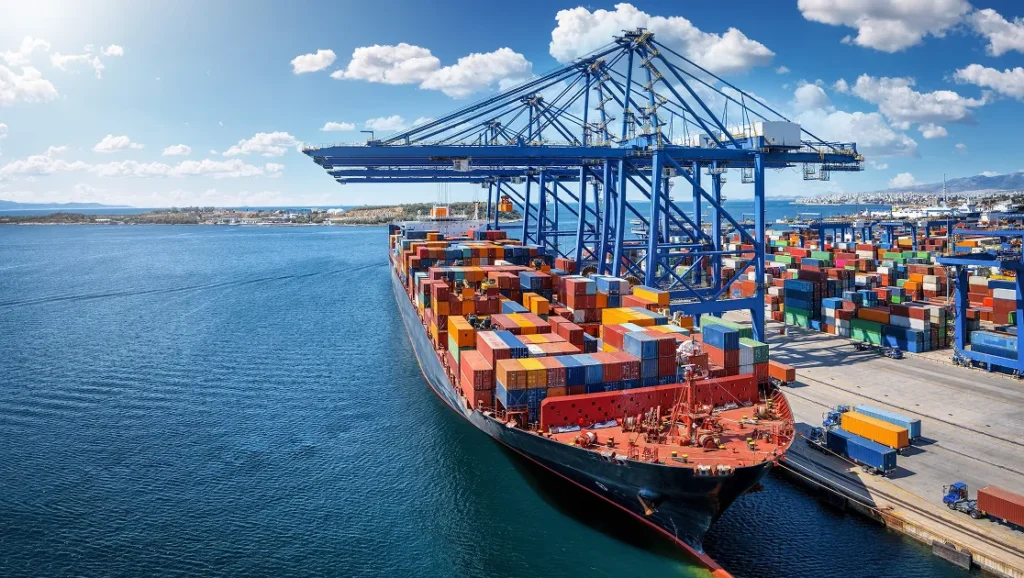
Large, metal shipping containers have simplified the global shipping industry, but they’ve complicated the jobs and compromised the safety of workers. These containers weigh over 6,000 pounds—two to three times more than a car—making them life-threatening weapons when they aren’t properly stored, moved, or used.
When shipping crates are not properly secured or loaded, they can shift and seriously injure those in their path. Even loading the crates is dangerous, as large cranes swing the heavy crates through the air and into the path of workers.
Common causes of shipping crate accident injuries include:
- Shifting containers
- Crane accidents
- Crane malfunctions
- Slip and fall accidents
- Explosions
- Capsizing or sinking
If you are a maritime worker or longshoreman who was injured by a shipping container, or you are a family member of a worker who was killed, you should hold those responsible accountable. However, identifying and proving who was responsible requires the legal insight of an experienced maritime attorney.
Water Sports Injury Claims
While maritime workers face dangerous conditions every day, the public can also be exposed to danger on the water when they least expect it. A fun day on the water can take a turn for the worst when someone’s negligence causes a Jet Ski, WaveRunner, or Sea-Doo accident.
Jet Ski and watersport accidents can happen as a result of:
- Reckless riders: If you were in an accident with another Jet Ski driver, their reckless driving may be to blame. If they were inexperienced or under the influence of drugs and alcohol, they shouldn’t have been driving, and they should pay for their actions.
- Negligent rental companies: The rental companies who own the Jet Skis have a responsibility to make sure they’re used responsibly. If they rent the Jet Ski to someone who is too young or under the influence of drugs or alcohol, they’re liable for your injuries.
- Defective products: The manufacturer of the Jet Ski should be selling a safe product. So when they sell a defective Jet Ski, they’re putting the lives of the drivers in danger, and they should be held responsible for any injuries that occur.
Our jet ski accident lawyers and boating injury attorneys hold negligent operators and companies accountable for injuries sustained on watercraft such as WaveRunners, Sea-Doos, and vessels.
Maritime Wrongful Death Claims
If you lost a loved one in a maritime accident caused by negligence, you may be eligible to file a maritime wrongful death lawsuit. Our attorneys work closely with families, seeking damages for:
- Funeral and burial expenses
- Lost financial support
- Pain and suffering and loss of companionship
Visit our dedicated Wrongful Death page for more information.
What to Do After a Maritime Accident
If you are involved in a maritime or boating accident, taking quick and informed steps can protect your rights:
- Seek Medical Attention Immediately: Even if injuries seem minor, get checked by medical professionals and keep detailed records.
- Report the Incident: Notify your employer, supervisor, or vessel captain, and file an incident report.
- Preserve Evidence: Take photographs, gather witness information, and keep any damaged equipment or clothing.
- Avoid Giving Recorded Statements to Insurance Adjusters Without an Attorney: Insurance companies may use your words against you.
- Contact an Experienced Maritime Injury Attorney: Get legal guidance as soon as possible to understand your rights and options.
Statute of Limitations for Maritime Injury Claims
Timely filing is critical in maritime injury cases to preserve your right to compensation.
Because maritime statutes of limitations and procedural rules are complex, prompt consultation with a specialized maritime attorney is essential.
Choosing Experienced Maritime Accident Attorneys
If you or a loved one were involved in a maritime accident, you should retain a lawyer to help you receive compensation from those responsible. No lawyer is as qualified to help you win your case as Jeffrey Breit, a national leader in maritime law. He was chosen for the Plaintiffs’ Steering Committee after the BP Deepwater Horizon Oil Spill disaster, one of the most complicated maritime cases of all time.
To build every maritime case, Jeffrey works alongside our team of dedicated lawyers, as well as capable experts in relevant maritime fields, like marine safety and industry regulations, OSHA regulations, marine engineering, seaworthiness, vessel navigation, rigging, and crane operations. Together, we can build a case that holds those responsible—no matter how powerful they may be—to justice in order to help those injured receive fair compensation.
Begin your maritime accident case today with a free, confidential case evaluation by calling (855) 659-4457.
Frequently Asked Questions
What is the Jones Act and how can a Jones Act attorney help me?
The Jones Act protects seamen injured on ships, providing rights to compensation for negligence by employers or fellow crew members. A Jones Act attorney helps navigate this complex law and ensures victims receive proper medical care and wages.
Who qualifies as a longshoreman under maritime law?
Longshoremen are workers loading and unloading ships, maintaining docks, and performing harbor-related tasks. They are covered under the Longshore and Harbor Workers’ Compensation Act, which provides benefits for injuries sustained on navigable waters.
What is an unseaworthiness claim?
This claim alleges that the vessel was not fit for safe use, resulting in injury. It can involve defective equipment, poor maintenance, or unsafe vessel conditions.
When should I file my maritime injury claim?
Maritime claims have strict statutory deadlines, often shorter than regular personal injury cases. Contact a maritime attorney promptly — ideally within days or weeks of your injury.
What damages can I recover in a maritime injury case?
Damages may include medical expenses, lost wages, physical and emotional pain, future care costs, and in some cases, punitive damages.