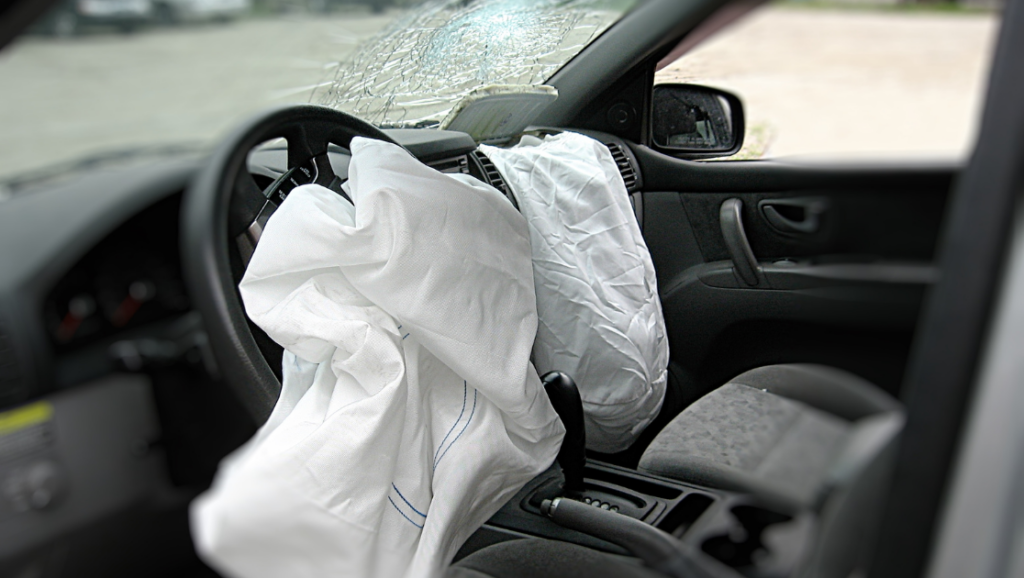
Airbags are designed to reduce the risk of serious injuries during a collision. When they fail to deploy, deploy unexpectedly, or malfunction during a crash, they can leave drivers and passengers with life-changing injuries.
Not every airbag malfunction points to a defective product, but some failures can be traced to design defects, manufacturing problems, faulty sensors, defective inflators, or other issues within the vehicle's safety system. In those situations, the focus extends beyond the accident itself and turns to how the vehicle performed when its safety features were needed most.
At Breit Biniazan, we represent people injured by defective airbags and other automotive safety defects. Our investigations focus on whether an airbag system performed as it should have, whether a product defect contributed to the injuries, and which companies may be responsible.
Airbag Defects That May Lead to a Product Liability Claim
Airbag failures are not limited to airbags that never deploy. Modern airbag systems rely on crash sensors, electronic control modules, wiring, inflators, and other components working together within fractions of a second. A problem with any part of that system can affect how the airbag responds during a collision.
Common airbag defects include:
- Airbags that fail to deploy during a qualifying crash
- Airbags that deploy unexpectedly without a collision
- Delayed airbag deployment
- Excessive deployment force
- Defective inflators
- Airbags that rupture during deployment
- Faulty crash sensors
- Defective airbag control modules
- Wiring or electrical failures
- Airbag recall defects
Each type of failure presents different engineering questions, but they all involve the same issue: whether the airbag system provided the level of protection it was designed to deliver.
Airbags That Fail to Deploy
One of the most common questions after a serious collision is, "Why didn't my airbag deploy?"
The answer is not always straightforward. Airbags are programmed to deploy only under certain crash conditions, and not every collision triggers the system. At the same time, defective sensors, damaged wiring, software failures, or manufacturing defects can prevent deployment when it should have occurred.
Determining whether an airbag should have deployed often requires reviewing crash data, vehicle diagnostics, and the performance of the safety system itself.
Airbags That Deploy Incorrectly
An airbag can also malfunction by deploying when it should not, deploying too late, or deploying with excessive force.
These failures can cause serious injuries on their own. Drivers and passengers may suffer facial fractures, eye injuries, burns, hearing damage, broken bones, and traumatic brain injuries from the deployment rather than the collision itself.
In some cases, investigators also examine whether the airbag deployed in a way that increased the severity of the injuries instead of reducing them.
Common Injuries Caused by Defective Airbags
Airbag defects can result in injuries that range from relatively minor to catastrophic.
Some of the most common injuries include:
- Traumatic brain injuries
- Facial fractures
- Eye injuries and vision loss
- Neck injuries
- Spinal cord injuries
- Chest and rib injuries
- Burns caused by airbag deployment
- Broken bones
- Hearing loss
- Internal organ injuries
- Wrongful death
The severity of these injuries often depends on the type of malfunction, the speed and angle of the collision, and whether other vehicle safety systems functioned properly.
What Causes an Airbag Malfunction?
Airbag systems are made up of dozens of individual components that must work together during a crash.
Product liability investigations often focus on issues involving:
Defective Airbag Design
Some claims involve allegations that the airbag system or one of its components was designed in a way that created unnecessary safety risks.
Manufacturing Defects
Errors during production can result in defective inflators, improperly assembled components, damaged wiring, or other failures that affect airbag performance.
Faulty Sensors and Electronic Components
Crash sensors and electronic control modules determine whether an airbag deploys. A failure within those systems can prevent deployment or trigger deployment when it should not occur.
Defective Airbag Recalls
Vehicle manufacturers occasionally issue recalls after identifying problems affecting airbag systems. A recall does not automatically establish liability, but it may become an important part of the investigation.
Who May Be Responsible for a Defective Airbag?
Responsibility for an airbag defect is not always limited to the vehicle manufacturer.
Depending on the circumstances, a claim may involve:
- Vehicle manufacturers
- Airbag manufacturers
- Inflator manufacturers
- Component suppliers
- Electronic systems manufacturers
- Other companies involved in the design or production of the safety system
Identifying every potentially responsible party often requires reviewing how the airbag system was designed, manufactured, tested, and incorporated into the vehicle.
How Defective Airbag Claims Are Investigated
An airbag product liability claim often depends on evidence that cannot be seen in crash photographs alone.
Investigators may review:
- Event data recorder (black box) information
- Airbag control module data
- Crash reports
- Vehicle diagnostics
- Airbag recall history
- Engineering inspections
- Physical evidence from the vehicle
- Manufacturer testing and technical records
The vehicle itself frequently becomes one of the most important pieces of evidence. Once it is repaired, salvaged, or destroyed, valuable information about the airbag system may no longer be available.
Compensation Available After an Airbag Defect Injury
A defective airbag can leave victims facing years of medical treatment and rehabilitation. Depending on the circumstances, compensation may include damages related to:
- Medical expenses
- Future medical care
- Lost wages
- Reduced earning capacity
- Rehabilitation
- Pain and suffering
- Permanent disability
- Wrongful death
Every claim depends on the injuries involved and the impact those injuries have on the person's life.
Why People Choose Breit Biniazan for Defective Airbag Cases
Airbag defect claims often involve engineering issues, vehicle electronics, crash data, and product liability law. These cases require more than a standard accident investigation.
At Breit Biniazan, our attorneys investigate whether an airbag system performed as designed and whether a product defect contributed to our client's injuries. Our team works with engineers, product specialists, and accident reconstruction experts to preserve evidence, analyze vehicle performance, and identify the companies responsible for defective automotive safety systems.
When a vehicle's most important safety feature fails, our focus is uncovering why it happened and pursuing the full value of the harm it caused.
Frequently Asked Questions About Defective Airbags
Can I sue if my airbag didn't deploy?
Possibly. Not every crash is expected to trigger an airbag, but if evidence shows the system should have deployed and a defect prevented it from doing so, you may have a product liability claim.
Can I file a claim if the airbag injured me?
Yes. Airbags that deploy with excessive force, deploy unexpectedly, or rupture during deployment can cause serious injuries. Those cases may involve defective components or design issues separate from the collision itself.
What should I do if I think my airbag malfunctioned?
If possible, avoid having the vehicle repaired or destroyed before it can be inspected. The airbag system, electronic data, and damaged components often become critical evidence in product liability investigations.
Speak With Breit Biniazan About a Defective Airbag Claim
Questions about an airbag malfunction often extend beyond the collision itself. Crash data, vehicle diagnostics, engineering analysis, and product testing can all become part of determining whether the airbag system performed as it should have.
The attorneys at Breit Biniazan represent people injured by defective airbags, defective automotive safety systems, and other dangerous products. If you believe an airbag failure contributed to your injuries, our team can evaluate the vehicle, preserve critical evidence, and investigate whether a product defect played a role.