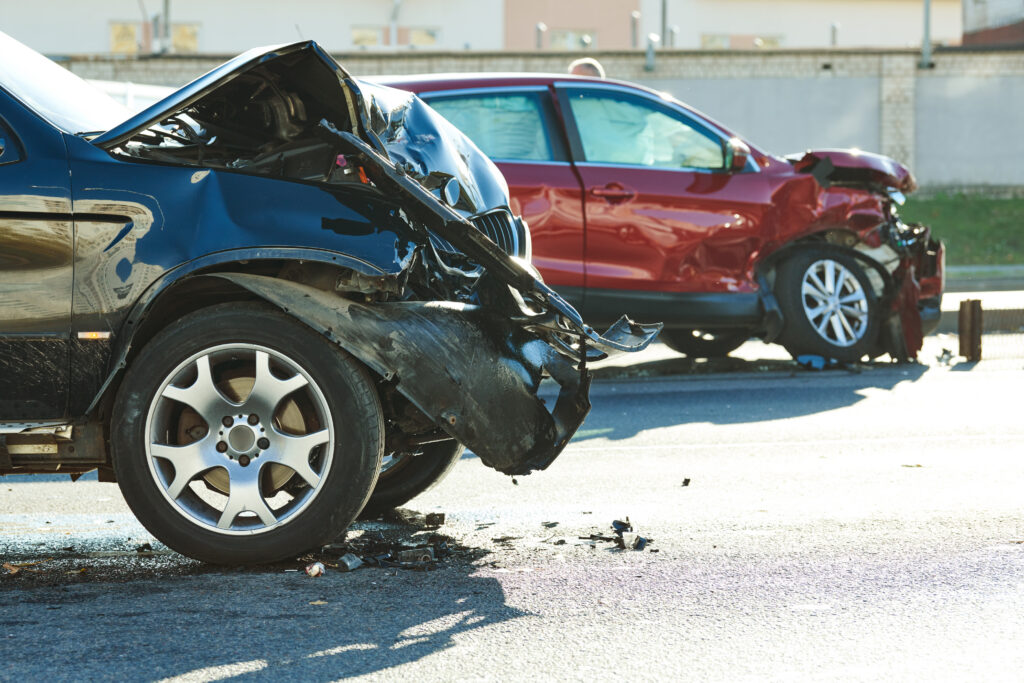
When brakes fail, the results can be devastating. A driver may have no time to stop, no room to avoid impact, and no way to protect the people around them. In some cases, brake failure is tied to poor maintenance. In others, it may point to a dangerous product defect in the vehicle or one of its brake parts.
At Breit Biniazan, we help injured victims and families facing serious crashes involving defective products and dangerous vehicles. If you were hurt in a car accident caused by brake failure or a commercial vehicle wreck tied to brake problems, our team may be able to help you investigate what happened, preserve key evidence, and identify who should be held responsible.
Who Can Be Held Liable for a Brake Failure Accident?
Liability depends on why the brakes failed and who had a role in placing a dangerous vehicle or part into use.
Vehicle Manufacturers
A vehicle manufacturer may be responsible when the full braking system was designed or built in a dangerous way. That can include failures involving hydraulic systems, electronic braking systems, anti-lock braking systems, or automatic emergency braking components. Federal safety standards regulate braking systems for different vehicle types, and NHTSA also investigates safety defects and recalls when problems are reported.
Brake Component Manufacturers
Sometimes the problem is not the full vehicle but a specific part, such as brake pads, rotors, calipers, hoses, master cylinders, sensors, wiring, or parking brake components. For example, damaged or corroded rear parking brake wiring harnesses can create unintended activation or loss of parking brake function, increasing crash risk.
Dealerships and Distributors
Dealerships and distributors may become part of the case if they sold or passed along a dangerous vehicle or brake component, especially when there were known issues, recalls, or warranty-related problems tied to the braking system. Virginia law also recognizes implied warranties of merchantability in sales by merchants unless properly excluded or modified.
Repair Shops and Maintenance Providers
Not every brake failure accident is caused by a product defect. Some are tied to careless inspection, poor installation, missed warning signs, or improper repairs. A repair shop or maintenance provider may be liable if its work helped cause the brake system to fail. In a truck case, this may also include maintenance contractors and fleet service providers.
When Does Brake Failure Become a Product Liability Case?
Brake failure becomes a product liability case when the evidence shows the braking system or one of its parts was unreasonably dangerous because of its design, manufacture, or warnings and that defect helped cause the crash.
In Virginia, these claims are often pursued through negligence and warranty-based theories. Virginia’s implied warranty statutes include merchantability and fitness for a particular purpose, and Virginia’s limitations statute states that personal injury actions generally must be brought within two years after the cause of action accrues.
That does not mean every brake problem leads to a valid case. The facts still matter. The vehicle must be inspected carefully. The failed part must often be preserved. Service records, recall records, crash reports, and electronic data may all help show whether the issue was a true defect or something else.
Proving a Defective Brake System
To prove a defective brake system, a claim often needs evidence showing:
- The brake system or part was defective
- The defect existed when it left the manufacturer or seller
- The defect helped cause the crash and resulting injuries
- The victim suffered real damages as a result
These cases may involve physical inspection of the vehicle, engineering review, recall research, and comparison to applicable federal safety standards. NHTSA brake-system standards cover different vehicle categories, including light vehicles and air-brake systems used on many trucks, buses, and trailers.
Added Danger When a Truck Experiences Brake Failure
A brake failure truck accident attorney may be needed when the crash involves a tractor-trailer, box truck, bus, or another heavy vehicle. Brake failure in a large truck can be especially dangerous because of the vehicle’s size, weight, stopping distance, and force of impact.
Federal Motor Vehicle Safety Standard No. 121 sets performance and equipment requirements for braking systems on trucks, buses, and trailers equipped with air brakes. When those systems fail, the crash can affect multiple vehicles and lead to devastating highway collisions.
Truck brake failure cases can also involve more parties, including the truck manufacturer, brake parts maker, fleet owner, maintenance company, driver, and others responsible for inspection and repair.
Catastrophic Injuries & Fatalities
When a truck cannot stop, victims may suffer traumatic brain injuries, spinal cord injuries, crush injuries, severe burns, amputations, and other life-changing harm. Families may also be left dealing with a wrongful death after a violent high-speed crash.
We understand that these losses are not only physical. They can affect work, family life, finances, and peace of mind. That is why these cases must be investigated with care and urgency.
Common Brake Defects and Malfunctions
Several types of failures may lead to a car brake failure crash or support a product liability claim.
Brake System Design Defects
Some vehicles or brake systems may be dangerous because of the way they were designed. A design defect may affect how the braking system responds under normal driving conditions, emergency braking, heavy loads, heat, or repeated use.
Faulty Brake Component
A single bad part can create a serious safety issue. A faulty brake hose, worn seal, defective sensor, broken caliper, damaged rotor, or failed hydraulic component may reduce braking power or cause total brake loss.
Parking Brake Malfunction
A parking brake malfunction can create danger both while the vehicle is parked and while it is moving. Parking brake defects can lead to unintended activation while driving or loss of parking brake function, both of which increase crash risk.
Secondary Collision Brake System Malfunction
A secondary collision brake system malfunction may involve technology meant to apply or support braking after an initial impact or in an imminent crash situation. Automatic emergency braking systems use sensors and related sub-systems to detect crash-imminent situations and automatically apply or supplement braking. When that technology malfunctions, it may become an important part of the investigation.
How a Brake Failure Accident Attorney Can Help
These cases are rarely simple. A lawyer handling brake failure litigation must be prepared to investigate both the crash itself and the product behind it.
At Breit Biniazan, we may be able to help victims and families by tracing the source of the failure, identifying all liable parties, and building a case around the strongest available evidence.
Preserving Black Box Data and Other Vehicle Evidence
Modern vehicles may contain event data and other electronic information that can help show speed, braking input, warnings, and system activity before a crash. Physical evidence also matters. The vehicle, failed parts, maintenance records, repair invoices, onboard data, and recall history may all need to be preserved early.
Working with Engineering Professionals
Brake defect cases often require technical review from engineers and other qualified professionals who can examine the system, the failed part, and the vehicle’s performance. That review can help explain what causes brakes to fail and whether the problem points to bad maintenance, defective manufacturing, or unsafe design.
Identifying Liable Parties
One of the biggest challenges in these cases is figuring out who should be held responsible. The answer may include one company or several. A full investigation may point to:
- A vehicle manufacturer
- A brake part manufacturer
- A dealership or distributor
- A repair or maintenance provider
- A trucking company or fleet operator
Virginia law can also affect how these cases move forward. For example, the statute of limitations for most personal injury claims is generally two years.
Contact Breit Biniazan to See if You Have a Case
If you were injured in a crash involving suspected brake failure, you may be dealing with pain, missed work, medical bills, and a lot of unanswered questions. You deserve clear information about what may have caused the wreck and whether a defective product played a role.
Breit Biniazan represents people facing serious injury cases and defective product claims in Virginia. Our team of attorneys and staff are focused on protecting clients through life’s hardest moments.
To speak with our team, contact Breit Biniazan at (855) 659-4457 or reach out through our online contact page.