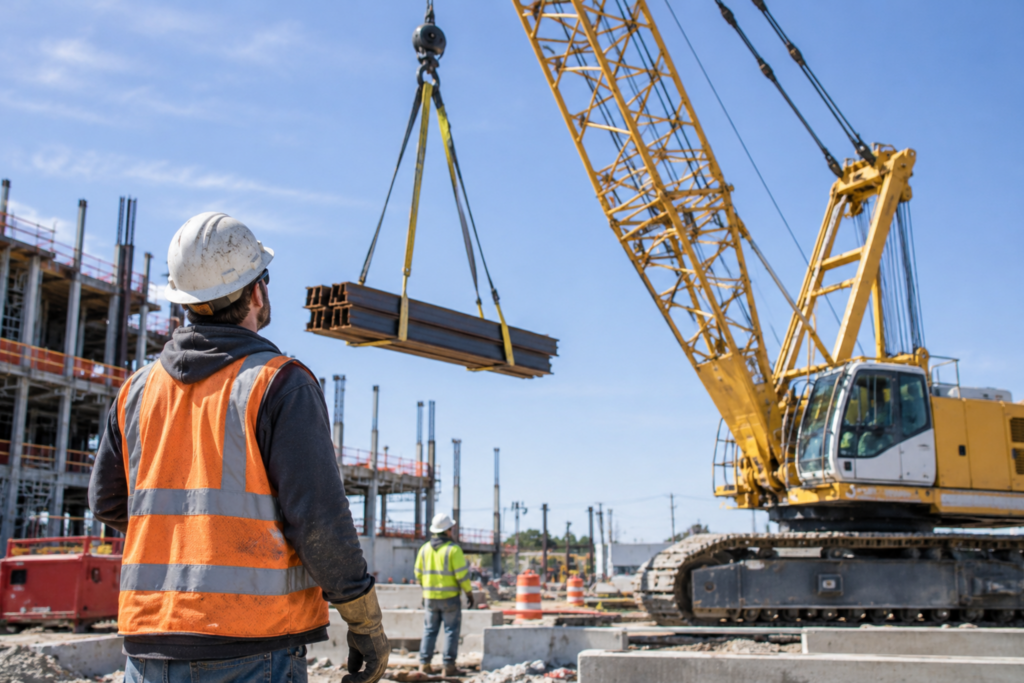
A crane brake that fails to hold, a hydraulic system that loses pressure, or a damaged hoist that releases a suspended load can seriously injure anyone nearby. Crane operators, riggers, construction workers, and dockworkers rely on this equipment to lift and move heavy materials safely. When something breaks or stops working, the results can include crushed limbs, permanent disabilities, and fatal injuries.
At Breit Biniazan Trial Lawyers, we represent people injured by defective machinery, dangerous equipment, and negligent maintenance across Virginia. Our attorneys have handled major product liability and industrial injury cases involving mechanical failures and unsafe equipment. We investigate what caused the malfunction, whether warning signs were ignored, and which companies may be responsible.
Common Crane Equipment Failures That Cause Serious Injuries
Cranes depend on several mechanical, hydraulic, electrical, and structural systems working together. A failure in one component can cause a load to drop, a boom to move unexpectedly, or the crane to lose stability.
Equipment problems that can lead to serious accidents include:
- Crane brake failures: Worn, damaged, or defective braking systems can allow a load to lower unexpectedly or prevent machinery from stopping.
- Hydraulic system failures: Leaking cylinders, failed valves, damaged hoses, and pressure loss can cause uncontrolled boom or equipment movement.
- Hoist and winch malfunctions: Defective hoist motors, gearboxes, drums, and load-holding systems can cause suspended materials to fall.
- Wire rope and cable failures: Frayed cables, damaged wire ropes, and improperly maintained lifting lines can break under load.
- Defective hooks and lifting attachments: Faulty latches, shackles, and other load-bearing components can release cargo during lifting operations.
- Electrical and control system failures: Damaged wiring, faulty sensors, or malfunctioning controls can interfere with crane movement and safety systems.
- Structural component defects: Cracked welds, damaged boom sections, and failed connections can cause equipment to buckle or collapse.
These failures can lead to crane collapses, falling loads, and serious injuries even when workers follow normal operating procedures.
When Poor Crane Maintenance Causes an Accident
Not every crane malfunction starts with a manufacturing defect. Equipment can become dangerous when companies skip inspections, delay repairs, or continue using a crane after mechanical problems have been reported.
A damaged wire rope may show signs of wear before it breaks. A hydraulic system may leak for weeks before failing during a lift. Brakes and hoists can also develop problems that should be addressed before the crane returns to service.
Crane owners, rental companies, and maintenance contractors may be responsible when their negligence contributes to an injury. Our attorneys review service records, inspection reports, repair histories, and previous complaints to determine whether the failure could have been prevented.
Defective Crane Parts and Manufacturer Liability
Some cranes are dangerous because of problems with their original design, manufacturing, or safety instructions. A crane may have an improperly designed braking system, a defective hydraulic component, or a structural part that fails under conditions it should be able to withstand.
In these cases, injured workers may have a product liability claim against the manufacturer or another responsible company. Claims may involve design defects, manufacturing errors, or inadequate warnings and instructions.
A defective crane lawsuit requires evidence connecting the equipment problem to the injury. Our attorneys examine the failed components, the crane's operating history, and whether the equipment was being used as intended. We also look at whether a manufacturer, supplier, or maintenance company knew about the problem before the accident.
Who Can Be Held Liable for a Crane Malfunction?
When a crane fails, several companies may point fingers at one another. The manufacturer may blame poor maintenance, the maintenance company may blame the operator, and the crane owner may claim the equipment was working properly.
Depending on what caused the accident, responsible parties may include crane manufacturers, component suppliers, equipment distributors, rental companies, inspection contractors, and maintenance providers. Contractors that improperly install, modify, or repair lifting equipment may also be responsible.
For workers injured on the job, workers' compensation may provide benefits, but a separate claim against a negligent third party may also be possible. Virginia law places limits on some workplace injury lawsuits, so our attorneys examine who employed the injured worker, who controlled the equipment, and each company's role in the failure.
Crane Equipment Failures at Virginia Construction Sites, Ports, and Shipyards
Crane malfunctions can happen anywhere heavy equipment is used. Construction projects in Richmond and Arlington rely on mobile cranes, tower cranes, and other lifting systems to move steel, concrete, and building materials. A failed hoist or braking system can put workers on the ground and nearby pedestrians at risk.
At ports and shipyards in Portsmouth and Virginia Beach, container cranes, gantry cranes, and shipboard lifting equipment handle heavy cargo and vessel components. A mechanical failure during loading or unloading can injure longshore workers, dockworkers, and vessel crews.
Breit Biniazan has handled complex maritime accident cases involving defective equipment and unsafe working conditions. Jeffrey Breit has worked with experts in marine engineering, rigging, crane operations, and maritime safety. Injuries involving waterfront equipment may also fall under different maritime laws depending on the worker's duties and where the accident occurred.
Investigating Defective Crane Equipment and Mechanical Failures
After a crane malfunction, the failed part may be replaced or the equipment repaired before the cause is fully investigated. Preserving damaged components and maintenance records can help establish whether the problem came from a defect, poor maintenance, or an improper repair.
Our attorneys may work with mechanical engineers and equipment specialists to examine:
- Failed brakes, hydraulic cylinders, hoists, and other components
- Crane maintenance logs, inspection reports, and repair records
- Manufacturer specifications, operating manuals, and safety notices
- Prior equipment failures, complaints, and reported malfunctions
- Photographs, video footage, and witness statements
- Whether the equipment had been modified or used beyond its operating limits
Compensation for Injuries Caused by Defective Cranes
Crane equipment failures can cause traumatic brain injuries, spinal cord damage, amputations, severe crush injuries, and permanent disabilities. Injured workers may face extensive medical treatment, lost income, and long-term care needs.
A successful personal injury or product liability claim may provide compensation for medical bills, future treatment, lost wages, reduced earning ability, pain and suffering, and permanent injuries. Families who lose a loved one may also have a wrongful death claim.
What you can recover depends on what caused the equipment failure, who was responsible, and which laws apply.
Speak With Breit Biniazan's Virginia Defective Crane Lawyers
Breit Biniazan Trial Lawyers represents workers and families injured by dangerous machinery, defective equipment, and serious industrial accidents throughout Virginia. Our attorneys have secured major results in product liability and workplace injury cases involving permanent disabilities and wrongful deaths.
If you or a loved one was injured because a crane malfunctioned, a lifting component failed, or equipment was poorly maintained, call Breit Biniazan for a free consultation. We'll investigate what went wrong, identify the companies responsible, and discuss how our firm can help you pursue compensation.