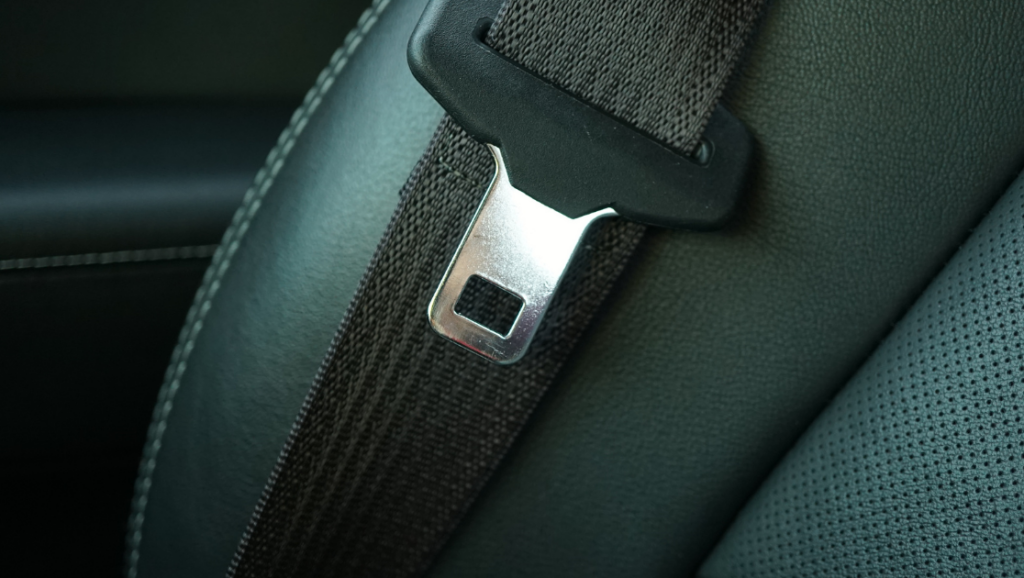
Seat belts are one of the most important safety features in any vehicle. Drivers and passengers trust them to keep occupants properly restrained during a collision and reduce the risk of serious injury. When a seat belt fails, the injuries can be far more severe than the crash alone would have caused.
A defective seat belt may unlatch during impact, fail to lock, allow excessive movement, or malfunction because of problems with the buckle, retractor, pretensioner, or another restraint system component. These failures can increase the risk of traumatic brain injuries, spinal cord injuries, occupant ejection, and other catastrophic injuries.
At Breit Biniazan, we represent people injured by defective seat belts, restraint system failures, and other automotive safety defects. Our team investigates how the restraint system performed during the collision, whether a product defect contributed to the injuries, and which manufacturers or suppliers may be responsible.
Common Types of Seat Belt Failures
Modern seat belt systems are made up of multiple components that work together during a crash. When one part of the system fails, the restraint may no longer provide the protection it was designed to deliver.
Some of the most common seat belt defects include:
- Seat belt buckle failures
- Seat belts that unlatch during a collision
- False latching
- Seat belt retractor failures
- Pretensioner failures
- Seat belts that fail to lock
- Excessive slack in the restraint system
- Torn or defective seat belt webbing
- Broken seat belt anchor points
Every failure is different. Some restraint systems release during impact, while others never properly secure the occupant before the crash forces reach their peak. Identifying the cause often requires a detailed review of the seat belt assembly, the vehicle, crash data, and the physical evidence left behind after the collision.
Seat Belt Buckle Failures
The buckle is expected to remain securely latched throughout a collision. If it releases unexpectedly, or if it appears to latch without actually locking into place, the occupant may lose the protection the restraint system was designed to provide.
These failures have been associated with defective latch mechanisms, false latching, worn internal components, and manufacturing defects. In some cases, the buckle itself becomes one of the most important pieces of evidence because it can reveal how the restraint system performed under crash forces.
Seat Belt Retractor and Pretensioner Failures
Retractors and pretensioners help control occupant movement during a collision.
The retractor is designed to lock as the vehicle rapidly decelerates, while the pretensioner removes slack from the seat belt almost immediately after a crash begins. If either component fails, the occupant may move much farther forward than intended, increasing the likelihood of striking the steering wheel, dashboard, windshield, or side structures.
These failures are not always visible after a collision. Crash data, component testing, and engineering analysis often provide a clearer picture of whether the restraint system responded as designed.
Injuries Caused by Defective Seat Belts
Seat belt failures are often associated with enhanced injuries, meaning the restraint system may have increased the severity of the injuries rather than preventing them.
Common injuries include:
- Traumatic brain injuries
- Spinal cord injuries
- Neck injuries
- Facial fractures
- Internal organ damage
- Chest and rib injuries
- Pelvic fractures
- Multiple broken bones
- Partial or complete occupant ejection
- Wrongful death
Even in crashes where occupants survive, these injuries can lead to multiple surgeries, lengthy rehabilitation, permanent disabilities, and significant changes to daily life.
When a Seat Belt Failure May Lead to a Product Liability Claim
Not every seat belt malfunction is caused by a defective product. A restraint system may be damaged during an especially severe collision, and some crashes produce forces that exceed what any vehicle can reasonably withstand.
Product liability claims focus on a different question: Did the restraint system perform the way it was designed to perform under the circumstances of the crash?
Answering that question requires much more than reviewing a police report. It may involve examining the seat belt assembly, crash data, manufacturer specifications, testing records, recall history, and the physical condition of the vehicle.
Many seat belt cases fall within an area of product liability law known as crashworthiness or enhanced injury litigation. Rather than focusing on what caused the collision, these claims examine whether a defective restraint system made the injuries worse after the crash occurred.
A driver may be responsible for causing an accident while a manufacturer may still be responsible for designing or producing a seat belt that failed to protect the occupants as intended.
How Breit Biniazan Investigates Defective Seat Belt Claims
Seat belt product liability cases often require a different investigation than a typical car accident claim. While a crash report may explain how the collision occurred, it rarely explains how the restraint system performed during the impact.
At Breit Biniazan, we investigate whether the seat belt functioned the way it was designed to. Our attorneys work with engineers, crash reconstruction specialists, and automotive experts to examine the restraint system, vehicle damage, crash data, manufacturer testing, and other evidence that may reveal why the seat belt failed.
Depending on the circumstances, we may evaluate the buckle assembly, retractor, pretensioner, seat belt webbing, anchor points, and electronic crash data stored by the vehicle. We also review whether the manufacturer identified similar failures, issued recalls, or documented problems during product testing.
Preserving the vehicle can be one of the most important parts of the process. Once a vehicle is repaired, dismantled, or salvaged, critical evidence involving the restraint system may no longer be available.
Who May Be Responsible for a Defective Seat Belt?
A seat belt is made up of components that are often designed and manufactured by different companies before being installed in a vehicle. As a result, responsibility may extend beyond the automaker itself.
Depending on the evidence, a product liability claim may involve:
- The vehicle manufacturer
- The seat belt manufacturer
- Buckle or latch manufacturers
- Pretensioner and retractor manufacturers
- Component suppliers
- Other companies involved in the design, testing, or production of the restraint system
Identifying the responsible parties requires a detailed review of how the seat belt was designed, manufactured, tested, and incorporated into the vehicle.
Frequently Asked Questions About Defective Seat Belts
Can I file a lawsuit if my seat belt came undone during a crash?
Possibly. A seat belt that unlatches during a collision may indicate a problem with the buckle, latch mechanism, or another part of the restraint system. Whether a lawsuit is appropriate depends on why the failure occurred and whether it contributed to your injuries.
What if my seat belt didn't lock?
Seat belts are designed to lock during sudden deceleration. If the retractor failed to engage during a collision, it may have allowed excessive occupant movement that increased the severity of the injuries. Reviewing the restraint system and crash data can help determine whether a mechanical or manufacturing problem contributed to the failure.
Can I still have a claim if another driver caused the accident?
Yes. Product liability claims involving seat belts are often separate from the claim arising out of the collision itself. Even if another driver caused the crash, a defective restraint system may have increased the severity of the injuries.
What should I do if I think my seat belt failed?
If possible, avoid repairing, selling, or disposing of the vehicle before the restraint system can be inspected. The seat belt assembly, vehicle, and crash data may all become important evidence in determining how the system performed during the collision.
Why Clients Turn to Breit Biniazan for Automotive Product Liability Cases
Cases involving defective seat belts often combine product liability law with engineering, biomechanics, and crash reconstruction. Building those claims requires more than proving a collision occurred. It requires determining whether the restraint system provided the level of protection it was designed to deliver.
At Breit Biniazan, our attorneys investigate automotive product defects involving seat belts, airbags, roof crush injuries, tire failures, and other vehicle safety systems. We work to preserve evidence, identify product defects, and hold manufacturers accountable when a defective vehicle or restraint system contributes to catastrophic injuries.
Our goal is to uncover what happened inside the vehicle during the crash and pursue compensation that reflects the full impact the injuries have had on our clients and their families.
Speak With Breit Biniazan About a Defective Seat Belt Claim
A seat belt should protect the people using it. When it fails during a collision, the injuries that follow may be linked to more than the crash itself.
If you believe a seat belt malfunction, buckle failure, retractor defect, pretensioner failure, or another restraint system problem contributed to your injuries, the attorneys at Breit Biniazan can evaluate the circumstances of the crash, preserve critical evidence, and determine whether a defective product played a role.
Our team represents clients in automotive product liability cases involving defective seat belts, defective airbags, vehicle safety defects, crashworthiness claims, and enhanced injury litigation throughout the country.